 Ferndale
 Windows on the Water Take a Different Kind of Beating
Sandy Point sits right on the water northwest of Ferndale, and that location changes what a window has to survive. A house a mile or two inland in Whatcom County deals with plenty of rain and the occasional windstorm. A house at Sandy Point deals with all of that plus near-constant airborne salt, wind that has nothing to slow it down before it hits the glass, and driving rain that comes in sideways instead of straight down. Windows are one of the first things on a house to show that difference, usually years before the siding does.
We're not describing a worst-case scenario here — this is just normal weather for a waterfront property in this part of the county. Correctly specifying and installing a window for that environment isn't the same job as a standard replacement in a typical Ferndale neighborhood, and treating it the same way is how homeowners end up redoing work that should have lasted decades.
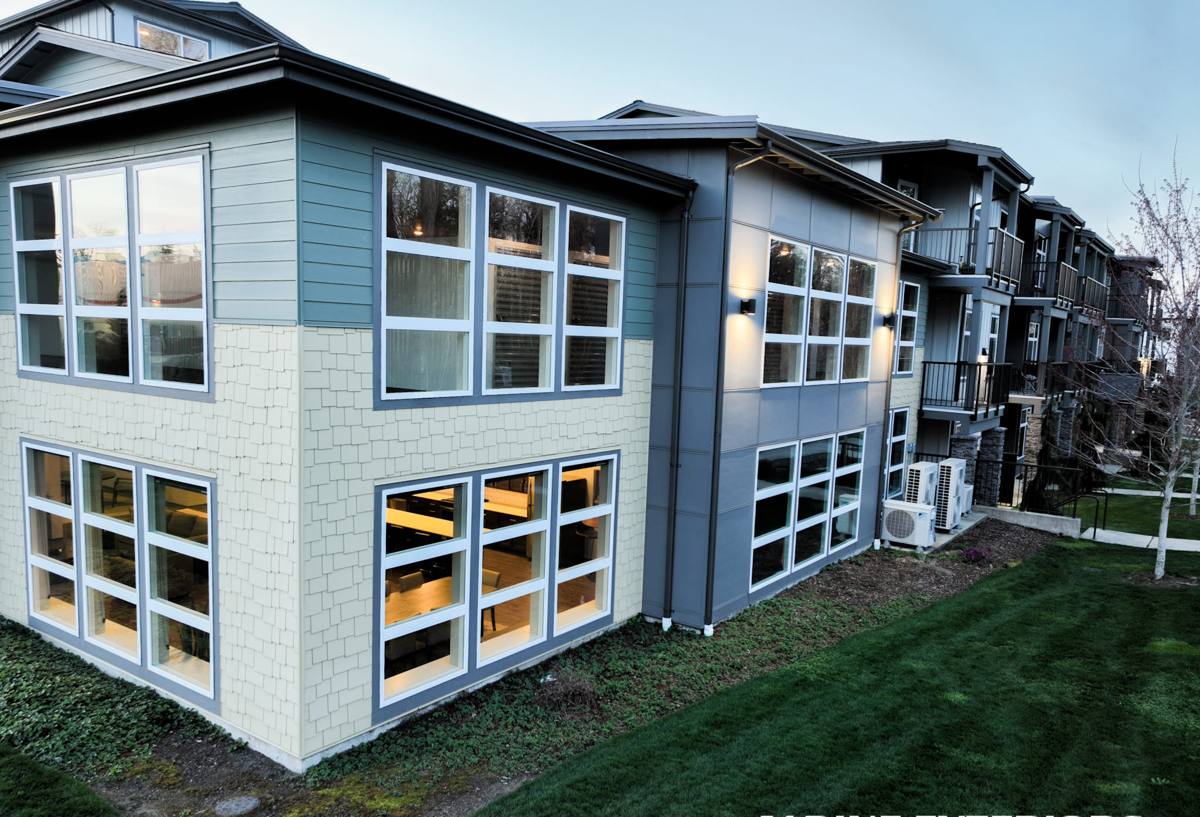
What Salt Air and Marine Weather Actually Do to a Window
Hardware and Metal Components
Latches, cranks, balance hardware, and screws are usually the first casualties. Salt-laden air accelerates corrosion on anything that isn't rated for it, and once hardware starts to pit or seize, a window that used to open and lock smoothly becomes a chore — or a security gap, if it won't latch tight anymore.
Seals, Glazing, and Moisture Intrusion
Insulated glass units rely on a sealed edge to keep the gas fill in and moisture out. Constant wind-driven moisture and temperature swings between a warm house interior and a cold, wet exterior put extra stress on that seal. When it fails, you get fogging between the panes — a sign the unit is done, not something a cleaning can fix.
Wood Trim, Sills, and Moss
Whatcom County's long wet season means anything shaded or slow to dry — window sills, trim boards, the underside of a header — is a candidate for moss and mildew. Moss holds moisture against wood and paint far longer than plain rain does, which is why trim near the ground or under eaves at Sandy Point properties tends to fail well before trim on a sunnier, more exposed wall.
Signs It's Time to Replace, Not Repair
Not every window problem calls for full replacement. But at Sandy Point, we see certain issues that reliably mean the window has reached the end of its useful life rather than needing a tune-up:
- Fogging or a visible film between the panes of double-pane glass — the seal has failed and can't be repaired
- Hardware that's pitted, rusted, or requires force to lock, even after cleaning and lubrication
- Soft, spongy, or discolored wood at the sill or lower frame corners
- Visible daylight or a draft around the frame when the window is closed and locked
- Condensation forming on the interior glass or frame regularly, even in mild weather
- Paint or finish that keeps failing in the same spot no matter how often it's touched up
- Noticeably higher heating bills with no other explanation, especially in rooms facing the water
If you're only seeing one of these on a single window, a repair or resealing may be worth trying first. If you're seeing several across multiple windows, that's usually a sign the whole set is aging out together, which is common for original windows on older waterfront homes.
Frame Material: What Actually Holds Up on the Water
Material choice matters more at Sandy Point than it does a few miles inland. Here's how the common options actually perform in a salt air, high-moisture setting, based on how they behave in the field rather than manufacturer marketing:
| Material | Salt Air & Moisture Performance | Maintenance Needs | Best Fit For |
|---|---|---|---|
| Vinyl | Doesn't corrode or rot; performs well against salt air overall | Low — occasional cleaning of tracks and weep holes | Most Sandy Point homes wanting a durable, low-upkeep option |
| Fiberglass | Very stable in temperature swings and moisture; strong seal retention over time | Low | Homeowners wanting maximum durability and willing to pay more upfront |
| Aluminum | Conducts cold and is more prone to corrosion and pitting near salt water unless heavily treated | Moderate to high near the water | Rarely our first recommendation for direct waterfront exposure |
| Wood-clad | Good insulator, but exposed wood and joints are vulnerable to moisture and moss if not maintained | High — regular inspection and refinishing | Homeowners committed to upkeep for a specific look |
We'll walk through these trade-offs with you rather than push one product — the right call depends on your budget, how exposed a particular wall or elevation is, and how much upkeep you actually want to sign up for.
What a Correct Installation Looks Like Here
Flashing and Water Management
A window that's well-built but poorly flashed will still leak. In a location where wind pushes rain sideways and upward under trim, proper flashing at the head, jambs, and sill — installed in the right order and lapped correctly — is what actually keeps water out of the wall assembly. This is the step that's easiest to shortcut and most expensive to fix later once it's hidden behind siding.
Sealants Rated for the Conditions
Not all exterior sealants hold up the same way under constant UV, salt, and moisture cycling. We use sealants and backer materials suited to marine-adjacent exposure, applied at the joints that actually need them — not smeared everywhere as a substitute for correct flashing.
Fastener and Hardware Choices
Given how fast standard hardware corrodes near the water, we pay attention to fastener and hardware specification rather than defaulting to whatever ships with the cheapest unit. It's a small line item that has an outsized effect on how the window operates five or ten years down the road.
Our Process, Start to Finish
The steps are the same whether it's one window or a whole house, just scaled up:
- On-site assessment of every window being considered, checking framing condition, current flashing, and how exposed each elevation is to wind and rain
- A written estimate that explains material and configuration options in plain terms, with no pressure to decide on the spot
- Scheduling that accounts for weather — we don't open up a wall assembly on a day the forecast works against us
- Removal of the old unit and inspection of the framing underneath for hidden rot or moisture damage before anything new goes in
- Correct flashing, insulation, and sealing of the new window before trim goes back on
- Final walkthrough with you to confirm operation, locking, and that the site is cleaned up
If we find rot or moisture damage in the framing once the old window is out — which happens more often on older waterfront homes than people expect — we'll show it to you directly and talk through the repair before moving forward, not spring a surprise change order on you after the fact.
Cost Factors Worth Understanding Before You Get a Quote
Every quote should reflect the specifics of your home, not a flat per-window number. The main things that move the price:
- Frame material chosen (vinyl, fiberglass, and wood-clad all price differently)
- Whether it's a like-for-like replacement or a size or style change that affects the surrounding structure
- Condition of the existing framing — sound framing costs less to work with than framing that needs repair
- Number of windows done at once, since scheduling and setup costs spread across more units
- Access — second-story or hard-to-reach windows on waterfront lots can add time
- Glass package — upgraded coatings or tempered glass where code requires it near grade or in wet areas
We'll break these out for you in the estimate so you can see what's driving the number, rather than handing you a single lump figure to take or leave.
Why It Matters That We Already Work in Sandy Point
Waterfront Access and Logistics
Waterfront lots often have tighter access, different setback considerations, and weather windows that close faster than they do a few miles inland. A crew that's already done work out there isn't figuring that out for the first time on your job.
Recognizing the Wear Pattern
Because we've seen how salt air, wind, and moss actually play out on homes in this specific setting, we're not guessing at what will hold up — we're specifying materials and installation details based on what we've watched succeed and fail out here over time. That's a different starting point than a crew quoting the job from a general playbook built for inland homes.
Keeping New Windows Performing in a Salt Air Environment
A correct installation buys you a long runway, but a little upkeep protects that investment:
- Rinse exterior frames and glass periodically to clear salt residue, especially after storms
- Keep weep holes and drainage tracks clear of debris and moss so water can actually drain
- Operate locks and cranks a few times a season so hardware doesn't seize from disuse
- Check exterior caulking and trim paint annually and touch up early rather than after it's failed
- Trim back vegetation that keeps a window or its trim in constant shade and dampness
None of this is complicated, but it's the difference between windows that look and work the same in ten years and windows that start showing the same problems the old ones had, just sooner than they should.
Get a Straight Answer on Your Windows
If you're dealing with fogged glass, stiff hardware, or drafts in a Sandy Point home, we're glad to come take a look and give you an honest read on what you're working with — repair, partial replacement, or full replacement — with no pressure either way. Use the form below to request a free estimate, and we'll walk the property with you and talk through what actually makes sense for your home.