 Ferndale
 Building for an Island in Whatcom County
Lummi Island sits apart from the rest of Whatcom County in a way that matters for exterior work. Homes here face open water on multiple sides, sit closer to salt spray than almost anywhere else Ferndale Siding works, and depend on a ferry for every load of material that comes across. Siding that would hold up fine in a sheltered inland neighborhood can fail years early on the island if it wasn't chosen and installed with that exposure in mind.
This page is about one job in one place: replacing siding on a Lummi Island home. Not a general overview of siding options, and not a pitch for a product line — a straight look at what the local climate does to exterior walls here, what a correct replacement actually involves, and why the crew doing the work should already know this island before they ever set foot on your property.
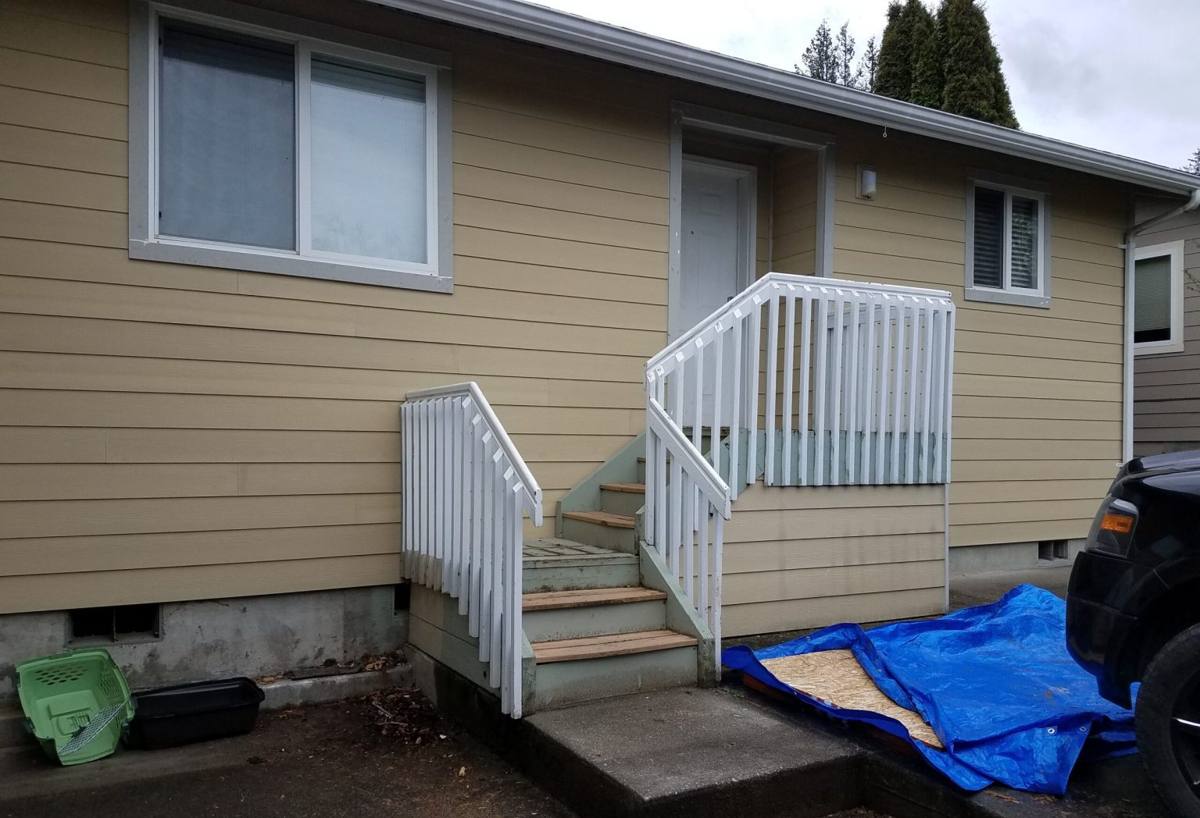
What Salt Air, Rain, and Moss Do to Siding on the Island
Salt Air and Metal Corrosion
Marine air carries salt that settles on every exterior surface, including fasteners, flashing, and trim. Over time this accelerates corrosion in lower-grade metal components and can stain or pit siding materials that aren't built to resist it. It's a slow process, which is exactly why it gets missed — by the time corrosion is visible on the surface, it's often already compromised the hardware underneath.
Driving Rain and Wind-Driven Moisture
Lummi Island's exposure means rain rarely falls straight down here. Wind off the water drives it sideways into wall assemblies, which puts real stress on laps, seams, and butt joints. A siding system that isn't installed with correct overlaps, gapping, and flashing details will let that wind-driven rain find its way behind the cladding, where it does the most damage out of sight.
Moss, Algae, and a Long Wet Season
Shaded, north-facing, and tree-lined walls on the island stay damp for long stretches of the year. That's ideal growing conditions for moss and algae, which hold moisture against the surface and, on materials prone to swelling or delaminating, can shorten the life of the siding underneath. A long moss season isn't just cosmetic — it's a maintenance and moisture problem that never fully lets up.
Signs Your Siding Is Due for Replacement
Homeowners on the island usually notice a problem well before they decide to do anything about it. The signs worth acting on include:
- Soft or spongy spots when you press on the siding, especially near the bottom courses or under windows
- Visible cupping, buckling, or separation at seams and corners
- Paint that keeps failing within a few years no matter how often it's redone
- Persistent moss or algae growth that comes right back after cleaning
- Rust streaks below nail heads or metal trim
- Rising energy bills that point to a wall assembly no longer doing its job
Any one of these can be an isolated repair. Several at once, or damage that shows up on more than one wall, usually means the siding system as a whole has reached the end of what it can protect.
What a Correct Siding Replacement Actually Involves
Tear-Off and What's Underneath
A replacement job starts with full removal of the old siding, not a re-side over the top of it. That's the only way to find out what's actually happening at the sheathing — soft spots, old water damage, or framing that needs attention before new siding goes up. Covering over a problem instead of fixing it just resets the clock on the same failure.
Water-Resistive Barrier and Flashing
On an island this exposed, the water-resistive barrier and flashing details matter as much as the siding itself. Window and door flashing, kick-out flashing at roof lines, and properly lapped house wrap all need to be correct before the first piece of siding goes on — because that's the layer that actually keeps wind-driven rain out of the wall if it gets past the cladding.
Installing to Manufacturer Spec
Fiber cement siding has specific requirements for fastener type, nailing pattern, gapping at joints, and clearance above grade, decks, and roof lines. Skipping any of these doesn't show up as a problem on day one — it shows up two or three years later as premature failure, and by then it's a warranty argument instead of a quick fix. Doing it correctly the first time is cheaper than doing it twice.
Why We Install Only James Hardie Fiber Cement
Ferndale Siding installs James Hardie fiber cement siding exclusively — not vinyl, not LP SmartSide, not primed wood, and not other fiber cement brands. On a site like Lummi Island, that standard exists for practical reasons, not brand loyalty.
Fiber cement is non-combustible, holds paint and factory finish far longer than wood-based products in a wet marine climate, and doesn't have the expansion, contraction, and moisture-swelling issues that shorten the life of some alternatives here. James Hardie's ColorPlus factory finish is baked on under controlled conditions rather than field-applied, which matters when a wall is going to spend years absorbing salt air and driving rain. Hardie also builds region-specific HZ product lines engineered for wetter climates, backed by a strong transferable warranty when installed to spec.
No siding product is maintenance-free, and Hardie still needs correct installation and periodic care to perform. But of the options available for a home in this environment, it's the one we're willing to stand behind — which is why it's the only one we install.
Cost Factors on a Lummi Island Job
Every replacement is priced around the specifics of the home, but the factors that move the number most on the island are consistent enough to lay out plainly:
| Factor | Why It Matters Here |
|---|---|
| Home size and wall complexity | More corners, dormers, and trim details mean more cutting, flashing, and labor time |
| Current siding condition | Hidden sheathing damage found during tear-off adds repair scope before new siding goes up |
| Siding profile and trim selection | Lap width, shingle-style panels, and trim boards carry different material and labor costs |
| Access and staging | Waterfront lots, steep driveways, or limited parking affect how efficiently a crew can work |
| Material logistics | Everything arrives by ferry, so deliveries are scheduled in fewer, larger loads rather than daily runs |
The one factor unique to the island is that last one. It doesn't usually change the total cost much, but it changes how the job is scheduled — which is worth knowing going in.
Working on an Island: Logistics That Actually Matter
Any contractor can quote a siding job from a set of photos. Doing the work well on Lummi Island means planning around the ferry from the start — ordering material in fuller loads, timing deliveries around the schedule, and making sure the crew and equipment are on the island for the full workday rather than losing hours to back-and-forth trips. A crew that hasn't worked the island before tends to learn these lessons on your project, at your expense in delays. A crew that already has learned them builds the schedule around it up front.
How Our Process Works
A typical siding replacement on the island runs through the same core steps:
- An on-site estimate to assess current siding condition, wall exposure, and any visible moisture damage
- A written scope covering tear-off, sheathing repair allowances, flashing details, and the specific Hardie product and color selected
- Material ordering and delivery scheduled around ferry logistics
- Tear-off and sheathing inspection, with any necessary repairs addressed before new siding goes on
- Installation of water-resistive barrier, flashing, and James Hardie siding to manufacturer spec
- Final walkthrough and warranty paperwork
Nothing about that sequence is unique to the island, but the scheduling around it is — and that's exactly where an unfamiliar crew loses time and a familiar one doesn't.
Choosing a Contractor Who Already Works Lummi Island
Before hiring anyone for a siding replacement on the island, it's worth confirming a few things directly:
- Have they completed siding projects on Lummi Island before, not just quoted them
- Do they have a clear plan for material delivery and crew logistics around the ferry
- Do they tear off old siding and inspect sheathing rather than re-siding over existing damage
- Are they licensed and insured to work in Washington State
- Will they put the siding product, flashing details, and warranty terms in writing before work starts
A contractor who already works this island isn't guessing at the answers to any of those — it's just how the job normally runs for them.
Get a Straight Answer on Your Siding
If your Lummi Island home is showing any of the wear this climate causes — soft siding, failing paint, moss that won't quit, or rust at the fasteners — it's worth having someone look at it who already knows what island exposure does to a wall. We offer free, no-pressure estimates and can tell you honestly whether you're looking at a repair or a full replacement. Use the form below to get started.