 Ferndale
 Siding Installation for Lummi Nation Homes
Lummi Nation sits out on the peninsula west of Ferndale, close enough to open water that its homes take a heavier, more constant version of the marine exposure the rest of Whatcom County only sees on and off. Any siding installation here has to be planned around that reality from the first measurement to the last piece of trim, not treated as a standard inland job with a different address. We install siding on homes throughout this area regularly, and what follows is a straightforward look at what that work actually involves and why it's done the way it is.
We install James Hardie fiber cement siding exclusively. We don't offer LP SmartSide, vinyl, Cemplank, Allura, primed spruce, or cedar as options, and on a property this exposed to salt air and wind-driven rain, that's not a marketing position — it's a standard we settled on after weighing how each of those materials actually performs under sustained coastal moisture.
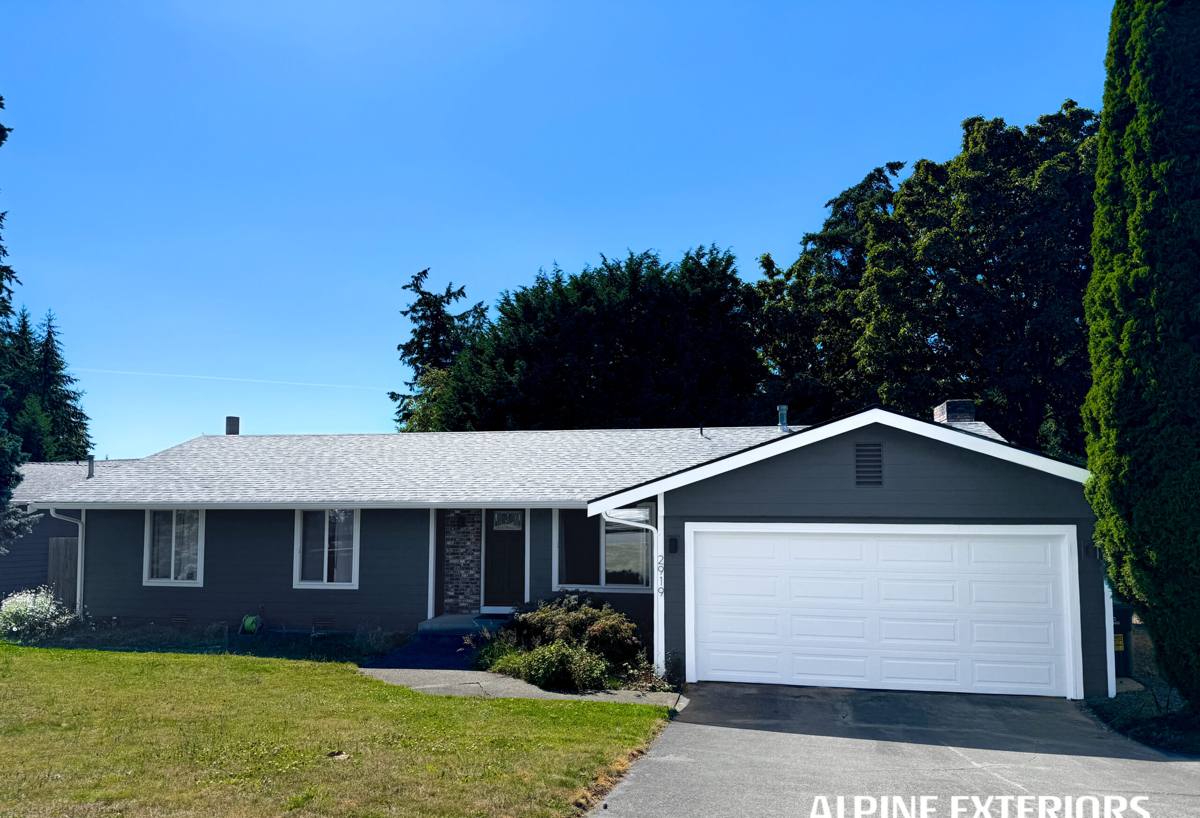
What Lummi Nation's Climate Demands From a New Installation
Salt Air Off the Water
Homes closer to open water pick up more salt-laden moisture in the air than homes further inland, and Lummi Nation's peninsula location puts a lot of properties there closer to that exposure than most of Ferndale proper. Salt air accelerates corrosion in fasteners and flashing, and it breaks down lower-grade paint and coatings faster than a drier setting would. An installation that doesn't account for that from the start shows its age early, sometimes within a couple of wet seasons.
Wind-Driven Rain
Open water exposure also means less windbreak, and wind is what turns ordinary rain into a sideways problem. Driving rain gets pushed into lap joints, trim seams, and any gap where flashing isn't doing its job, which is a tougher test than a simple annual rainfall number suggests. This is why the flashing and joint details on a Lummi Nation installation matter more than they would on a calmer, more sheltered lot — water finds the shortcuts if they exist.
A Long Moss Season
Peninsula terrain, shade in places, and near-constant moisture add up to a moss and mildew season that runs longer here than in the drier parts of the county. It shows up first on north-facing and shaded walls, and it's more than cosmetic — sustained organic growth holds moisture against the wall assembly, which is exactly the condition that leads to rot behind the siding if the underlying system isn't built to shed water on its own.
Why We Install Only James Hardie Fiber Cement
We narrowed to one siding system after watching, over repeated jobs, which materials held up under this kind of sustained coastal exposure and which ones quietly didn't. For a Lummi Nation installation specifically, the case for fiber cement is stronger than it is almost anywhere else in our service area.
- Non-combustible core: fiber cement doesn't feed a fire the way wood-based siding can, which matters for household safety and can factor into insurance underwriting.
- Factory-applied ColorPlus finish: the color is baked on under controlled conditions rather than brushed on in the field, so it resists salt exposure and UV fading far longer than site-applied paint.
- Climate-engineered HZ5 formulation: Hardie's HZ5 line is built for regions with heavy, sustained moisture exposure, which is a close match for a Lummi Nation property.
- Dimensional stability: fiber cement doesn't swell, cup, or warp through repeated wet-season moisture cycles the way engineered wood siding can.
- Strong transferable warranty: Hardie backs its products with a real warranty structure, provided the installation follows spec — protection that carries weight rather than sitting unused on paper.
Each of the products we've moved away from has a place in the broader market and plenty of owners who are satisfied with it in a less demanding setting. On a peninsula lot with this much sustained salt and moisture exposure, we made the professional call that one material we trust completely beats offering a cheaper option that quietly shifts maintenance risk onto the homeowner a few years down the line.
What a Correct Installation Involves
Tear-Off and Substrate Inspection
Before any new siding goes up, the existing material comes off and the sheathing underneath gets a real look. On a waterfront or near-waterfront property, this step matters more than it does inland, because trapped moisture behind older siding has had a longer, wetter season to do damage. Soft or rotted sheathing gets replaced before anything new is installed — covering a compromised substrate just hides the problem under a fresh surface.
Weather-Resistive Barrier and Flashing
A correctly installed house wrap, paired with properly lapped flashing at windows, doors, and every horizontal transition, is what actually keeps wind-driven rain out of the wall assembly — not the siding itself and not a bead of caulk. On an exposed peninsula lot, we treat flashing detail as the part of the job that decides whether the installation holds up, not a formality to move past quickly.
Fastening, Clearances, and Joints
Homes closer to open water see stronger, more sustained wind during winter storms than homes tucked further inland, which affects fastening patterns and how tightly the siding needs to be secured. Proper clearance from grade and roofline keeps splash-back and ponding water away from the bottom edge of the siding, and joints get lapped and sealed correctly rather than simply butted together and caulked over.
Trim, Corners, and Finish Work
Corner boards, trim around openings, and any transition between materials are where a rushed installation tends to fail first, since these are the spots where water naturally wants to collect. Factory-primed or ColorPlus-matched trim, installed with the same attention as the field siding, is what keeps those transition points from becoming the weak link a few years in.
Our Installation Process
- Walkthrough and estimate: we look at the home in person — current siding condition, trim, flashing, and any signs of existing moisture damage — before giving a real number.
- Prep and protection: landscaping, walkways, and outdoor fixtures get protected, and tear-off debris is contained and hauled off the site as the job progresses.
- Substrate repair: any rotted or compromised sheathing found during tear-off gets replaced before house wrap and siding go on.
- House wrap, flashing, and siding installation: the weather-resistive barrier goes on first, flashing is integrated at every penetration and transition, and Hardie siding is installed to manufacturer fastening and clearance specs.
- Trim and finish work: corner boards, window and door trim, and any transition details are completed and matched to the ColorPlus finish.
- Final walkthrough and cleanup: we go over the finished exterior with the homeowner, address anything that needs attention, and leave the site clean.
New Siding vs. Re-Siding Over Existing Material
Some homeowners ask whether new siding can go over what's already there instead of a full tear-off. On a Lummi Nation property, that shortcut usually costs more than it saves.
| Approach | What It Means | Why It Matters Here |
|---|---|---|
| Full tear-off | Old siding removed, sheathing inspected and repaired, new system installed from the substrate up | Exposes and fixes hidden moisture damage before it spreads — the standard we recommend on exposed coastal lots |
| Overlay (new siding over old) | New siding installed directly over existing material | Traps any existing moisture problems behind two layers instead of exposing and fixing them; we generally advise against it here |
| Partial replacement | Storm-damaged or failing sections replaced and matched into sound existing Hardie siding | Can make sense when the rest of the siding is Hardie and in good condition, but not when moisture has already tracked behind the wall |
Exact scope and cost depend on what tear-off reveals, which is why we walk the property first rather than quoting off a generic price sheet.
Signs Your Current Siding Is Ready for Replacement
- Moss or dark staining that returns quickly after cleaning, especially on shaded or north-facing walls
- Soft or spongy siding low on the wall or around window and door trim
- Rusting fasteners, corroding flashing, or chalky, faded paint finishes
- Cracked, warped, cupped, or missing siding sections
- Visible gaps at seams, corners, or trim joints
- Rising heating bills that may point to a wall assembly that's no longer sealing properly
- Siding that's due for repainting again only a few years after the last job
Why a Crew That Already Works Lummi Nation Matters
A crew that installs siding in this specific stretch of Whatcom County regularly understands how salt air, wind-driven rain, and a long moss season behave on real peninsula homes over a full year, not just how a material performs on a spec sheet. That experience shapes real decisions on install day — which wall orientations need extra flashing attention, how tight the fastening pattern needs to be on an exposed elevation, and which trim details are worth the added time so a homeowner isn't dealing with a callback after the first hard winter storm. Lummi Nation's closeness to open water means its homes see a heavier version of the challenges the rest of Ferndale deals with, and that difference is worth taking seriously rather than applying a one-size-fits-all approach built for a calmer, more sheltered site.
If your Lummi Nation home needs new siding, a partial repair, or just an honest look at what's actually happening behind an aging wall, we're glad to take a look. Reach out using the form below to schedule a free, no-pressure estimate.