 Ferndale
 Window Replacement on the Spit: Why It's Different Here
Semiahmoo sits out on a narrow spit between Semiahmoo Bay and Drayton Harbor, at the edge of Blaine near the Canadian border. It's one of the more exposed residential settings in Whatcom County — water on more than one side, open wind with little to break it, and a marine climate that stays wet and humid for most of the year. Windows take that exposure directly. They're the weakest link in an exterior wall to begin with, and on a property like this, a window that was installed to average manufacturer guidance for a "moderate" climate is often already behind before it's even fully caulked in.
We treat window replacement on Semiahmoo as its own kind of job, not a smaller version of what we'd do a few miles inland. The housing here is a mix of older vacation cottages, resort-area condos, and newer waterfront construction, and each of those brings a different set of window problems — old single-pane units that were never meant to face open water, condo windows sharing a building envelope with neighboring units, or larger view-oriented windows that need to hold up to real wind load. What doesn't change is the climate they all have to perform in.
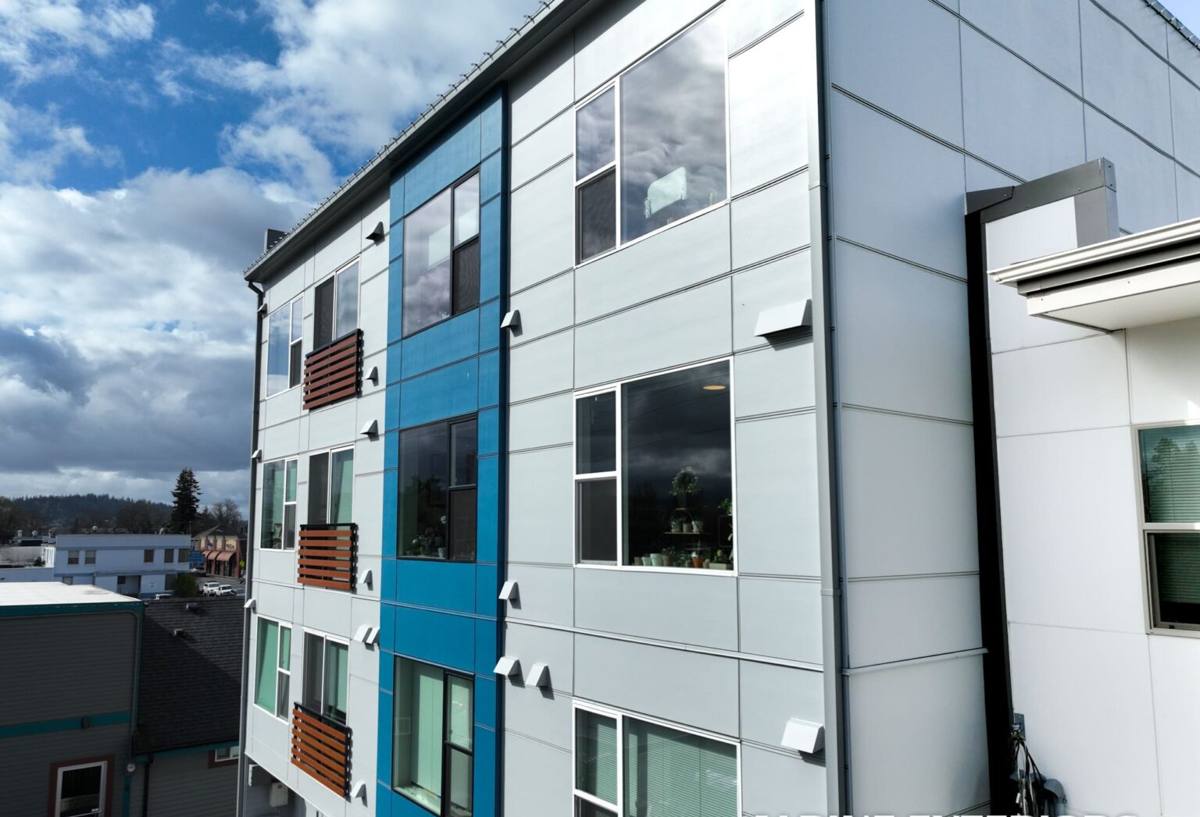
What Salt Air, Driving Rain, and a Long Moss Season Do to Windows
Salt Air From More Than One Direction
Because the spit is bordered by water on multiple sides, homes here get salt-laden air blowing in from more than one prevailing direction. That accelerates corrosion in window hardware — hinges, locks, balance mechanisms, and screws — faster than it would on a drier, more sheltered lot. It also breaks down lower-grade finishes and seals over time. A window that would hold its hardware and finish for decades inland can start showing pitting, sticking sashes, or a chalky finish years sooner out here if the components weren't chosen with that exposure in mind.
Wind-Driven Rain
With almost no windbreak, rain on the spit doesn't just fall — it gets pushed sideways into window openings with real force during storms off the water. That's a heavier moisture load on flashing and seals than the region's total rainfall would suggest on its own. Window units and installation details that perform fine on a calmer inland lot can leak specifically because water is being driven horizontally into joints and sill details that were never built to handle that kind of pressure.
A Moss and Mildew Season That Runs Most of the Year
Mild temperatures and near-constant humidity keep moss and mildew active across most of Whatcom County for much of the year, and waterfront exposure doesn't shorten that season on Semiahmoo. Window sills, tracks, and exterior trim are common places it shows up first, especially on north-facing walls that don't get much direct sun. Wood sills and trim that stay damp longer than they dry out are the most vulnerable, which is one of the reasons frame material matters as much as it does here.
Signs a Semiahmoo Home Needs Window Replacement
Not every window problem means full replacement — some issues are hardware or caulking fixes. But a few signs point toward the window unit itself having reached the end of its useful life, especially in this climate:
- Fogging or a permanent haze between panes, meaning the seal has failed and the insulating gas has escaped
- Visible rot, soft spots, or paint failure on wood sills, jambs, or exterior trim
- Drafts you can feel near the frame even when the window is fully latched
- Windows that are difficult to open, close, or lock, often from corroded hardware or a warped frame
- Condensation forming consistently on the interior glass, especially on colder, damper days
- Visible daylight or gaps around the frame where it meets the wall or siding
- Water staining on interior sills, walls, or trim below or beside the window
On a spit property, hardware corrosion and seal failure tend to show up sooner than they would inland, so it's worth taking these signs seriously earlier rather than waiting for a window to fail outright.
What a Correct Window Replacement Involves
Assessment and Measuring
We start by looking at the actual opening, not just the window itself — checking for square, level, and any hidden rot or water damage in the framing that a new window would otherwise get installed over. Field measurements come from the real opening, not from assumptions based on the window's age or a builder's original spec, since older Semiahmoo homes don't always match modern standard sizing exactly.
Removal and Opening Prep
The old window comes out carefully so we can see the condition of the rough opening, sill, and any existing flashing underneath. This is often where hidden problems surface — a soft sill, degraded old flashing, or moisture that's been getting in around the frame for years without showing much on the interior. Those issues get addressed before the new window goes in, not covered over.
Flashing and Weatherproofing
This is the step that matters most given the exposure on the spit. A window needs correctly lapped flashing at the head, jambs, and sill so that any water reaching the opening drains back out rather than working its way into the wall assembly. Sill pans and properly integrated house wrap or weather-resistive barrier detailing matter more here than on a calmer inland lot, because wind-driven rain will find any gap in the sequence that a lighter storm never would.
Setting, Insulating, and Finishing
Once the new unit is set, shimmed square, and fastened, the gap between the frame and the rough opening gets properly insulated and sealed — not just caulked around the outside — so the window performs the way it's rated to and doesn't become a draft and condensation point later. Exterior trim and finish are matched back to the surrounding siding so the result looks intentional, not patched in.
Frame Materials and Glass for This Climate
Frame material affects how well a window handles corrosion, moisture, and the maintenance burden that comes with both. We'll walk through the honest trade-offs for your specific home rather than defaulting to whatever's fastest to install.
| Frame Material | Moisture & Salt Air Behavior | Maintenance | Good Fit For |
|---|---|---|---|
| Vinyl | Doesn't rot or corrode; can expand and contract with temperature swings | Low; no painting or refinishing needed | Budget-conscious replacements, straightforward openings |
| Fiberglass | Very stable dimensionally, resists moisture and corrosion well | Low; holds paint and finish longer than vinyl if a custom color is wanted | Larger units and openings with high wind or sun exposure |
| Wood (exterior-exposed) | Absorbs and releases moisture; vulnerable to rot without diligent upkeep | High; regular refinishing needed in a wet, salty climate | Interior-only wood aesthetic; not our default exterior recommendation here |
| Wood-clad (wood interior, clad exterior) | Exterior cladding protects the wood core from direct moisture and salt exposure | Moderate; interior finish upkeep, low exterior maintenance | Homeowners who want a wood look inside without the outdoor maintenance burden |
| Aluminum | Strong but conducts heat and cold readily; can corrode faster in salt air without proper coating | Moderate; coating quality matters a lot here | Less common as a primary residential choice on this stretch of coastline |
On the glass side, dual-pane units with a low-E coating and an inert gas fill (argon is standard) are the baseline we recommend for this climate — the coating helps manage heat loss and solar gain, and a good seal is what keeps interior condensation under control during Whatcom County's damp stretches. Triple-pane units add further insulating value and can be worth it for windows facing the most open wind exposure, though the added cost doesn't pencil out for every opening. We'll tell you honestly where the upgrade makes sense on your home and where it doesn't.
Our Process
- On-site assessment — we look at each window opening, check for hidden rot or past water intrusion, and note which units are candidates for replacement versus repair
- Honest recommendation — frame material, glass package, and any structural or flashing work the opening needs, explained plainly
- Written scope and timeline — a clear plan before any work begins, so there are no surprises mid-project
- Removal and opening prep — old units come out carefully, and any framing or flashing issues found underneath get corrected first
- Installation and flashing — each window is set, insulated, and flashed to a sequence built for open, wind-driven rain conditions
- Trim and finish — exterior trim is matched to the surrounding siding for a clean, finished result
What Drives the Cost of Window Replacement Here
| Factor | How It Affects the Job |
|---|---|
| Number of windows | Replacing several at once generally costs less per unit than one-off replacements over time |
| Frame material | Vinyl is typically the most affordable; fiberglass and wood-clad cost more upfront but bring different maintenance trade-offs |
| Glass package | Dual-pane with low-E and argon is standard; triple-pane and specialty coatings add cost |
| Opening condition | Hidden rot, damaged framing, or old flashing that needs correction adds labor before the new window can go in |
| Standard vs. non-standard sizing | Older or custom openings that don't match stock sizes take longer to source and install |
| Access and building type | Upper-floor units, condo restrictions, or difficult access can add time and equipment needs |
We won't quote a number without seeing the openings in person, but those are the factors that actually move the price, and we'll walk through which ones apply to your home before you commit to anything.
Why a Local Crew That Works Semiahmoo Matters
Manufacturer installation guidance is written for average conditions in a moderate climate. Semiahmoo doesn't match that description — salt air, wind-driven rain, and a long wet season all push harder on a window installation than they would a few miles inland in Blaine proper. A crew that regularly works this stretch of coastline already knows which flashing details are non-negotiable here and which hardware and frame choices actually hold up to the corrosion this environment causes. That's the kind of knowledge that shows up in decisions a homeowner never sees directly — how much lap a flashing course gets, what fastener grade goes into the frame, whether a sill needs extra slope to shed water outward — and it's exactly what determines whether a window replacement is still performing cleanly in twenty years or showing drafts and stuck sashes in five.
A Simple Checklist Before Hiring for Window Replacement on Semiahmoo
- Ask what frame materials and glass packages they recommend for waterfront exposure, and why
- Confirm current Washington contractor licensing and active liability insurance
- Ask how they handle flashing and sill detailing for wind-driven rain specifically
- Get a written scope of work, including what's covered under warranty for the window versus the installation labor
- Ask whether they've worked on homes or condos in this specific area before, not just the general region
If you're weighing window replacement for a Semiahmoo home — whether it's a handful of aging units or a full-house upgrade — we're happy to walk the property with you and give an honest read on what each opening actually needs. Reach out below for a free, no-pressure estimate.