 Ferndale
 Semiahmoo's Weather Doesn't Give Siding Any Rest
Homes in and around the Semiahmoo area sit close enough to saltwater that the air itself becomes part of the maintenance equation. Add in the driving rain that rolls off the Pacific through the winter and the long stretch of damp, low-light months that follow, and you've got one of the tougher siding environments in Whatcom County. It's not one big storm that wears a house down out here — it's the daily grind of salt-laden humidity, wind-pushed rain finding every gap, and moss quietly working into anything that stays wet too long.
Siding that's rated for a dry inland climate simply doesn't hold up the same way in Semiahmoo. Paint film fails faster in salt air. Wood-based products absorb moisture and swell. Fasteners corrode where manufacturers didn't spec for a marine-influenced environment. None of this is theoretical — it's the pattern we see on siding replacement calls throughout this part of the county, and it's why the product choice and the installation details both matter more here than they would forty miles inland.
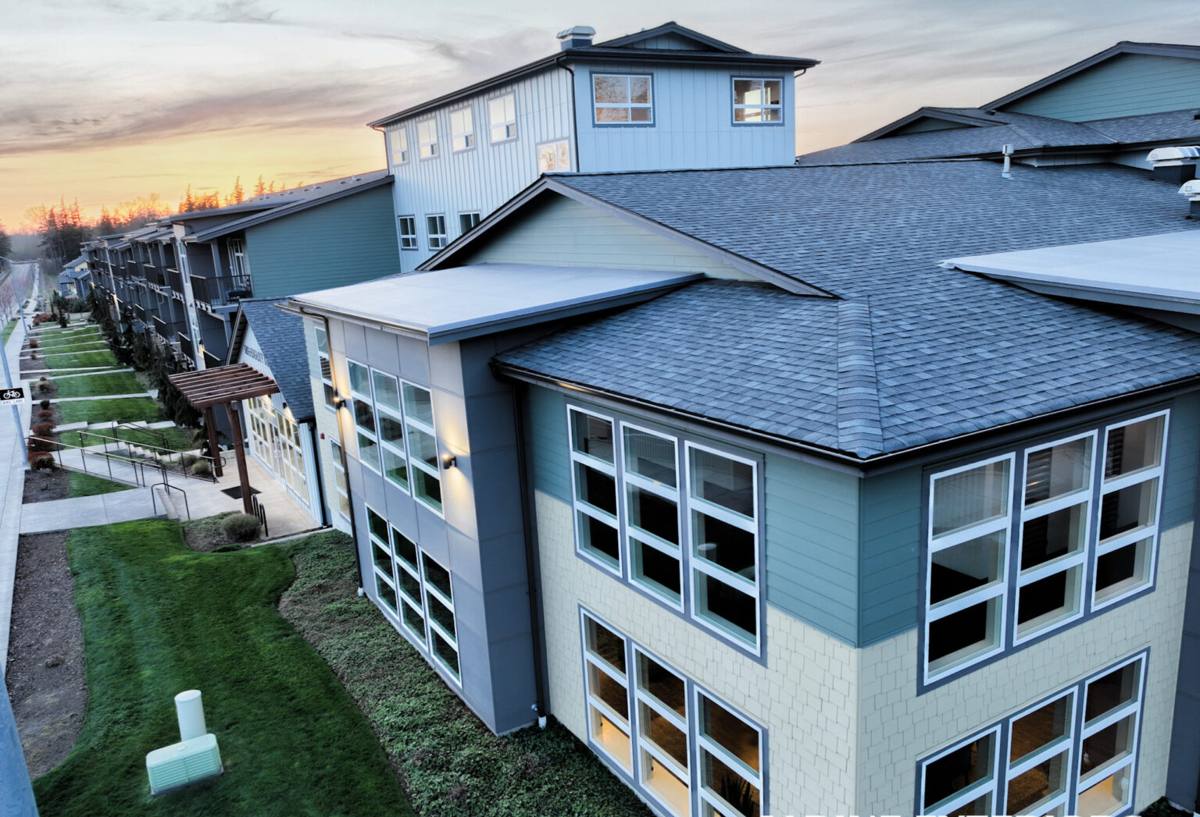
What "Correct" Fiber Cement Installation Actually Means Here
Fiber cement siding is only as good as the install behind it. In a coastal-influenced spot like Semiahmoo, a technically correct installation isn't optional trim — it's the difference between siding that lasts decades and siding that starts showing problems in five or six years.
The details that matter most in this location
- Rain screen gap: A ventilated gap behind the siding lets any moisture that gets past the surface dry out instead of sitting against the sheathing.
- Flashing at every penetration: Windows, doors, hose bibs, light fixtures — each one is a spot where wind-driven rain can find its way in if the flashing isn't done right.
- Fastener selection: Corrosion-resistant fasteners matter everywhere, but they matter more where salt air is part of daily life.
- Proper clearances: Siding held off the ground, roofline, and deck surfaces at the manufacturer's minimum clearance so water has somewhere to go besides back into the wall.
- Caulking only where it belongs: Over-caulking traps moisture behind the siding; it should seal specific joints, not act as a substitute for proper flashing.
None of this is unique to Semiahmoo, but the margin for error is smaller here. A flashing detail that's "good enough" in a drier neighborhood can be the exact spot where a Semiahmoo home starts taking on moisture two winters later.
Salt Air, Fasteners, and the Finish That Has to Hold Up
Salt air accelerates the failure of ordinary paint finishes. Field-applied paint on any siding material — fiber cement included — tends to chalk, fade, and lose adhesion faster near the water than it would inland. This is one of the main reasons we only install James Hardie siding with its factory-applied ColorPlus finish. That finish is baked on under controlled conditions with a UV- and weather-resistant topcoat, and it's backed by its own finish warranty separate from the substrate warranty. It's a meaningfully different product than field-painted siding, and in a salt-air environment that difference shows up faster than people expect.
Fastener corrosion is the other quiet failure point. Any exterior fastener exposed to salt-laden moisture over years will eventually show surface rust if it isn't rated for the exposure. We spec corrosion-resistant fasteners for every Semiahmoo-area project, and we check fastener placement against Hardie's own installation instructions rather than eyeballing it — over-driven or under-driven nails are a common source of cracking and premature wear, and it's a detail that's easy to rush and hard to fix after the fact.
Moss, Shade, and Moisture Management
Whatcom County's long wet season means moss isn't a cosmetic nuisance here — it's a moisture problem waiting to happen. North-facing walls, areas shaded by mature trees, and sections tucked under roof overhangs with limited sun exposure all stay damp longer, and that's exactly where moss and algae take hold first. Left alone, that growth holds moisture against the siding surface, which is bad news for any material but especially bad for wood-based products that can absorb and swell.
Fiber cement doesn't feed moss the way wood-based siding can, since it has no organic wood fiber for moss and algae to root into, but it isn't immune to surface growth sitting on top of it in a shaded, damp spot. The real defense is a combination of things: correct rain screen ventilation so walls dry out between storms, gutters and downspouts that actually move water away from the siding instead of dumping it along a wall, and periodic gentle cleaning on the sides of the house that stay shaded longest. We talk through all of this during the estimate, because a good siding job in this climate accounts for where the moisture is going to sit before it becomes a problem.
Why We Install Only James Hardie Fiber Cement
We get asked fairly often why we don't offer vinyl, LP SmartSide, or one of the other fiber cement brands on the market. The honest answer is that we looked at the trade-offs and standardized on one product because we think it's the right call for this climate, not because it's the only thing we know how to install.
Vinyl siding is inexpensive and low-maintenance in the sense that it doesn't need painting, but it's a petroleum-based product that can warp or become brittle with age, and its seams and J-channels give wind-driven rain more places to test than a properly installed fiber cement system. LP SmartSide and similar engineered wood products perform reasonably well when kept dry, but they're wood-based at the core, which means moisture management isn't optional — it's a maintenance requirement for the life of the product, and coastal humidity works against that. Other fiber cement brands compete on price, but the installation tolerances, warranty structure, and factory finish quality vary brand to brand, and we didn't want to install something we couldn't fully stand behind on every job.
James Hardie's fiber cement is non-combustible, dimensionally stable in wet climates, comes with the factory ColorPlus finish instead of relying on field paint, and its HZ product line is engineered for specific climate zones rather than built as a one-size-fits-all product. For a place like Semiahmoo, that's the difference between siding we install once and siding we get called back about.
Our Process for Semiahmoo-Area Projects
Every project starts with a walk-around, not a sales pitch. We look at sun exposure, roofline drainage, existing moisture damage, and how close the home sits to open water or exposed wind, since that changes how we approach flashing and fastener spec. From there:
- Full exterior assessment, including a check of sheathing condition where old siding is coming off — moisture-damaged sheathing gets addressed before new siding goes up, not covered over.
- A written scope that specifies the Hardie product line, profile, and ColorPlus color, along with the flashing and rain screen approach for your home specifically.
- Old siding removal and a check for any hidden water damage, insect activity, or failed flashing behind it.
- Installation to Hardie's published fastening and clearance specifications — not shortcuts, since those specs exist for a reason in a climate like this.
- Final walkthrough covering trim, caulking points, and what maintenance (if any) the finish will need going forward.
Because we work this part of Whatcom County regularly, we're not guessing at how a Semiahmoo-area home behaves through a wet winter — we've seen how these homes age and where the recurring trouble spots tend to show up.
Cost Factors for Fiber Cement Siding in This Area
Every home is different, and we don't quote sight unseen, but these are the main variables that move a project's scope and cost:
| Factor | Why It Matters Here |
|---|---|
| Home size and wall complexity | More corners, dormers, and penetrations mean more flashing detail work, which is where labor time concentrates |
| Existing siding removal and sheathing condition | Moisture-damaged sheathing found during tear-off needs repair before new siding goes on |
| Exposure level | Walls facing open water or prevailing storm direction may warrant additional flashing or fastener attention |
| Siding profile and color | Lap widths, shingle-style panels, and trim details vary in material cost and install time |
| Access and site conditions | Multi-story sections, tight lot lines, or landscaping near the foundation affect staging and labor |
We walk through these factors on-site so you get a scope and number based on your actual home, not a generic per-square-foot guess.
Maintenance Homeowners Can Actually Expect
One of the appeals of Hardie fiber cement with a ColorPlus finish is that maintenance in a climate like this is lighter than people assume, but "lighter" isn't "none." A realistic maintenance routine looks like:
- Rinsing the exterior once or twice a year, with extra attention to shaded, moss-prone sides of the house
- Checking caulking at trim joints and penetrations every year or two and replacing it if it's cracked or pulling away
- Keeping gutters clear so water isn't sheeting down the siding face during heavy rain
- Trimming back vegetation that keeps a wall section shaded and damp longer than the rest of the house
- A visual check after any major windstorm for loose trim or fasteners
That's a modest list compared to what wood-based or field-painted siding needs to hold up in the same conditions, and it's a big part of why we recommend Hardie for homes in this area specifically.
Why Local Experience Matters for This Job
A siding crew that mostly works drier, inland neighborhoods can install fiber cement competently and still miss the details that matter for a home exposed to salt air and coastal storms. Flashing that would be adequate in Bellingham's more sheltered neighborhoods isn't necessarily adequate on a wall that takes direct wind-driven rain off open water. We work Ferndale and the surrounding Whatcom County communities regularly enough to know which walls need extra attention before we ever get a ladder up, and we build that into the scope from the start rather than discovering it partway through the job.
If you're planning a siding project for a home in the Semiahmoo area, we're glad to walk the property with you and put together a straightforward, no-pressure estimate — no obligation, just an honest look at what your home needs.