 Ferndale
 Windows Built for Life on the Water
Lummi Island sits right in the path of everything Whatcom County's marine climate can throw at a house: salt-laden air off the Sound, wind-driven rain that comes in sideways during winter storms, and a moss season that can stretch from fall through spring. Windows here work harder than windows almost anywhere else in the region, and when they're installed with shortcuts — or with materials that aren't suited to a saltwater environment — the problems show up early and get expensive fast.
We install windows for homes around Ferndale and the surrounding Whatcom County shoreline, including Lummi Island, and we build every installation around the conditions this area actually produces, not a generic checklist.
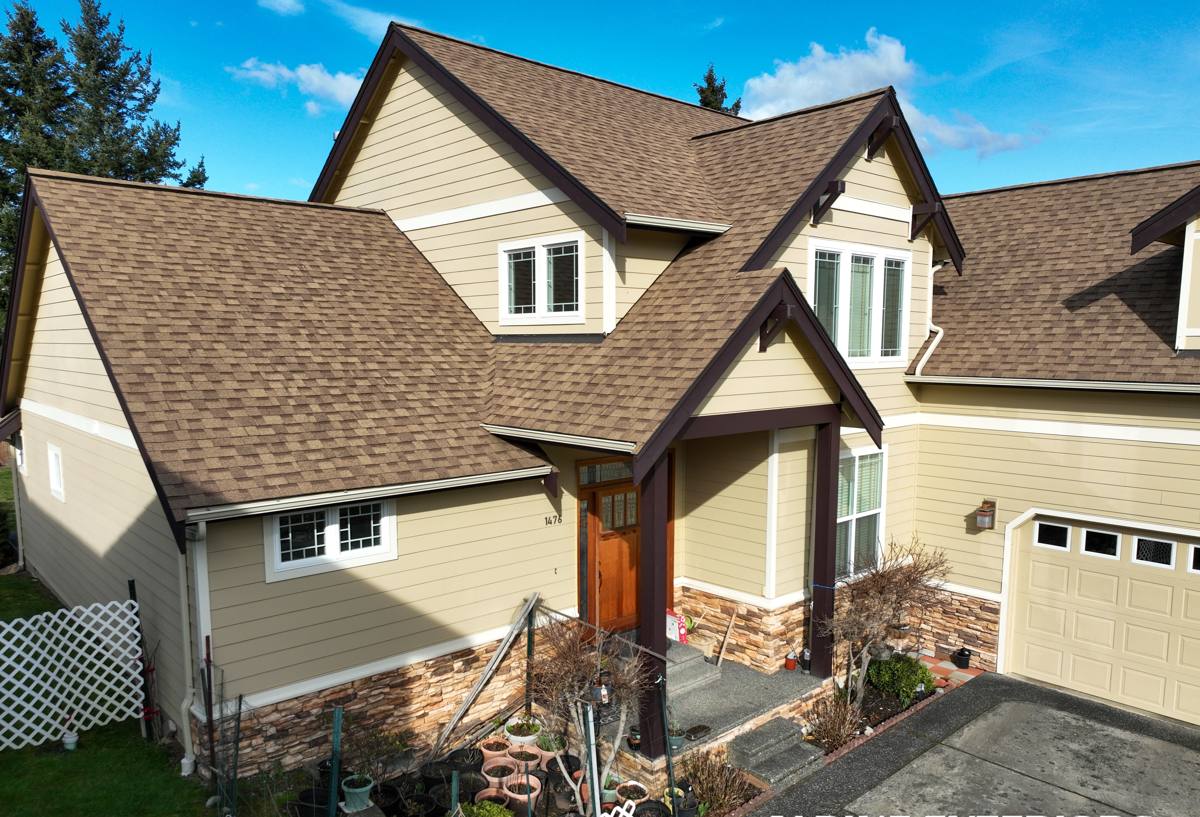
What the Local Climate Does to Windows
Salt Air and Metal Components
Airborne salt is corrosive to unprotected or poorly finished metal — hinges, cranks, screws, and cheaper aluminum hardware all degrade faster near the water than they would a few miles inland. Over time, corroded hardware means windows that stick, don't seal tightly, or stop locking properly. The fix isn't more frequent replacement; it's choosing hardware and frame materials rated for coastal exposure in the first place.
Wind-Driven Rain and Water Intrusion
A window doesn't have to be defective to leak — it just has to be installed without the right flashing sequence. When wind pushes rain horizontally into a wall, water looks for any gap around the window opening: a missed flashing lap, a bead of sealant applied to the wrong surface, a sill pan that wasn't sloped to drain. On an exposed island lot, those gaps get tested far more often than they would on a sheltered inland site.
A Long Moss Season
Persistent moisture and shade encourage moss and algae growth on siding, trim, and window sills for much of the year. Moss holds water against wood and painted surfaces, which accelerates rot at sills and casings if the original installation didn't already account for drainage and airflow around the window.
Signs Your Windows Are Losing the Fight
Most window failures don't announce themselves — they show up as small clues first. Homeowners on Lummi Island should watch for:
- Soft or discolored wood at the sill or bottom corners of the frame
- Fogging or condensation between panes of double- or triple-glazed units
- Drafts you can feel with a hand near the frame on a windy day
- Hardware that's stiff, corroded, or won't latch fully
- Paint or finish bubbling or peeling near the window edges
- Visible moss or dark staining building up on the sill or lower trim
- Windows that are noticeably harder to open than they used to be
Any one of these can be a minor maintenance item. Several together, especially on the weather-facing side of a house, usually mean water has been getting past the seal for a while.
What a Correct Installation Actually Involves
Flashing and Water Management
The window unit itself is often the least important variable in whether a window leaks — the flashing detail around it is what actually keeps water out. That means a properly sloped sill pan, flashing tape lapped in the correct shingle-style order (bottom to top, so water always sheds outward), and the housewrap or weather-resistive barrier integrated back into that flashing rather than just taped over it. Skipping or rushing this step is the single most common cause of window leaks we see on older installations.
Insulation and Air Sealing
The gap between the window frame and the rough opening needs to be sealed with a flexible, non-expanding insulation — not packed with can foam that can bow the frame out of square. Done correctly, this stops drafts and moisture-laden air from working its way into the wall cavity, which matters even more in a climate where that air often carries salt and humidity.
Fastening and Frame Alignment
A window that isn't shimmed level and square will bind, won't seal tight against its own weatherstripping, and puts uneven stress on the frame that shows up as failures years down the road. Every unit gets checked for level, plumb, and square before it's fastened off, not just set in place and caulked.
Choosing Materials for a Coastal Lot
Not every window product on the market is a good fit for salt air and constant moisture exposure. Here's how the common options compare for a Lummi Island setting:
| Material | Coastal Performance | Maintenance |
|---|---|---|
| Vinyl | Good corrosion resistance, no paint to fail; can discolor with UV over many years | Low — occasional cleaning |
| Fiberglass | Very stable in temperature and moisture swings, resists warping | Low — durable finish, rarely needs attention |
| Aluminum-clad wood | Attractive and durable if the cladding is fully sealed at joints; wood interior still needs protection from any breach | Moderate — watch cladding seams |
| Painted wood | Classic look but most vulnerable to moss, rot, and salt exposure over time | High — regular repainting and sealing |
We'll talk through the honest trade-offs for your home rather than pushing one product line. A painted wood window can still be the right call for a historic or architecturally specific home — it just needs an owner who's willing to keep up with the maintenance that a marine environment demands.
Our Installation Process
- On-site assessment — we check the existing opening, framing condition, and any signs of past water damage before quoting anything
- Removal — old units come out carefully to expose the rough opening and check the sheathing and framing underneath
- Repair as needed — any soft or rotted framing gets addressed before a new window goes in; installing a new window over damaged framing just hides the problem
- Flashing and sill pan installation — built to shed water outward, matched to your existing weather-resistive barrier
- Window setting — shimmed level, plumb, and square, then fastened per manufacturer spec
- Insulation and air sealing — gap filled correctly, interior and exterior sealants applied at the right points, not just wherever looks tidy
- Trim and finish work — interior and exterior trim reset or replaced to match the home
- Final check — operation, seal, and hardware function confirmed before we consider the job done
Working on an Island: Why Local Experience Matters
Lummi Island is reached by a small ferry, which changes how a project needs to be planned compared to a mainland Ferndale job. Materials, crew time, and equipment all have to be scheduled around ferry availability, and a contractor who hasn't worked the island before can underestimate how that affects timing. A crew that already routes projects out to the island knows how to plan material deliveries and crew days efficiently, so the ferry schedule becomes a logistics detail we manage rather than a surprise that stalls your project.
There's also a practical trust factor: island homeowners are often relying on word of mouth from neighbors who've had work done, because it's genuinely inconvenient to bring out multiple contractors for estimates. We take that seriously — we show up when we say we will and give you a straight answer about what your windows actually need.
What Affects the Cost
Every home and opening is different, so we won't quote a number without seeing the job, but these are the main factors that move the price up or down:
| Factor | Why It Matters |
|---|---|
| Window material and glass package | Fiberglass and multi-pane low-E units cost more upfront than basic vinyl but hold up better against salt air and cost less to run |
| Number and size of openings | Larger and more numerous windows mean more labor and material |
| Framing condition | Rot repair at the rough opening adds time and material beyond a straightforward swap |
| Access and logistics | Ferry scheduling and site access on the island factor into crew and delivery planning |
| New construction vs. retrofit | Retrofitting into existing siding and trim takes more careful detail work than a new-construction opening |
Keeping Your Windows Performing After Install
A correctly installed window still benefits from a bit of upkeep in this climate. Rinse salt residue off frames and glass periodically, especially after storms. Keep an eye on moss buildup at sills and clean it off before it holds moisture against the frame for months at a time. Check weatherstripping and hardware once a year for stiffness or corrosion, and address any small caulking gaps at the trim line before they become a path for water. None of this is heavy maintenance — it's the difference between a window that looks and performs well for decades and one that starts showing its age in half that time.
If you're weighing a window project for a Lummi Island home — whether it's one failing unit or a full-house replacement — we're happy to take a look and give you a straight, no-pressure estimate. Use the form below to get started.