 Ferndale
 Metal Roofing Built for Birch Bay's Coastline
Birch Bay sits right on the water, and that changes what a roof has to deal with year after year. Homes here take on salt-laden air off the bay, near-constant winter rain blowing in sideways, and long stretches of shade and dampness that keep moss and moisture active for most of the year. A roof that would hold up fine ten miles inland can wear out early here if it's not built and installed with that exposure in mind. Metal roofing, done correctly, is one of the strongest answers to that combination — but "done correctly" is doing a lot of work in that sentence, and it's worth understanding what that actually means before you sign a contract.
We work throughout Whatcom County, and Birch Bay is one of the areas where we see the most roof wear tied directly to coastal exposure. This page is about what that means for a metal roof specifically, not metal roofing in general.
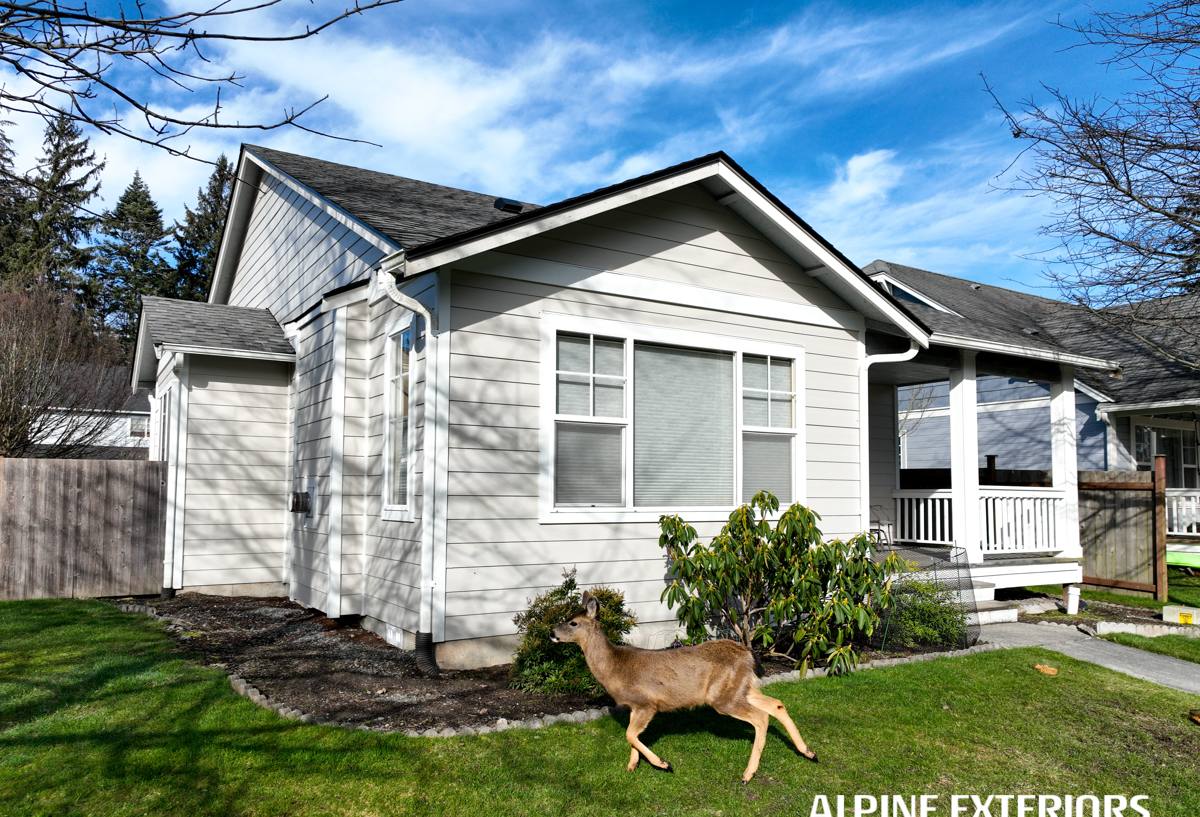
What Salt Air and Moss Actually Do to a Roof
Salt Air and Corrosion
Airborne salt is corrosive to exposed metal, especially at cut edges, fasteners, and flashing seams where bare metal can be exposed if the job wasn't finished carefully. Over time, salt exposure can accelerate rust at these weak points even on roofing rated for coastal use. The fix isn't avoiding metal roofing — it's choosing the right metal, the right coating, and the right fastener hardware, and making sure every cut edge and penetration is properly sealed and coated during installation, not just left bare.
Moss and Sustained Moisture
Birch Bay's tree cover and marine humidity keep roofs damp longer than they would be in a drier inland location, which is exactly what moss needs to take hold. On a shingle roof, moss roots into the mat and lifts tabs, which is one of the more common causes of early failure we see in this area. Metal roofing doesn't give moss the same foothold — there's no organic mat for it to grow into — but moss and organic debris can still build up in valleys, at ridge caps, and behind snow guards if the roof isn't designed and installed to shed water and debris cleanly. A metal roof still needs to be detailed correctly to actually get that benefit; it's not automatic.
Wind-Driven Rain
Storms off the water push rain sideways and can drive water up under laps and around fasteners that would stay dry on a calmer site. This is a fastening and underlayment issue more than a material issue — the panel profile, fastener spacing, and underlayment choice all matter more on an exposed bay-front lot than they would on a sheltered inland roof.
Why Metal Roofing Fits This Environment
When it's specified and installed correctly, metal roofing holds up well against everything above:
- No organic mat for moss to root into, unlike asphalt shingles
- Steep-slope-friendly profiles shed wind-driven rain faster than flatter-profile materials
- Coated steel and aluminum panels resist the coastal corrosion cycle far better than uncoated or poorly finished metal
- Long service life reduces how often the roof is opened up and re-flashed, which is when leaks most often get introduced
- Lighter weight than many roofing materials, which is easier on older framing common in this area
None of that is automatic just because the material is metal. A metal roof installed with the wrong fasteners, the wrong underlayment, or sloppy flashing work can fail faster than a well-installed asphalt roof. The material matters, but the installation is what actually determines how it performs on a bay-front lot.
What a Correct Metal Roof Install Involves Here
Material and Coating Selection
Not every metal roofing product is rated the same way for coastal salt exposure. We look at the base metal (steel vs. aluminum), the coating system (the paint and primer system matters as much as the metal underneath), and the fastener hardware — stainless or coated fasteners matched to the panel, not mismatched hardware that corrodes faster than the panel around it. For a bay-front property, we lean toward products with documented coastal-use ratings rather than a standard inland-grade panel.
Underlayment
Given the amount of wind-driven rain Birch Bay sees, we use a high-quality synthetic or self-adhered underlayment as a full backup water barrier under the panels, with extra attention at eaves, valleys, and any low-slope transitions where wind-driven water is most likely to get pushed uphill under a lap.
Flashing and Penetrations
Chimneys, vents, skylights, and wall-to-roof transitions are where most roof leaks actually start, on metal or any other material. Every penetration gets properly flashed and sealed with materials compatible with the panel metal — mixing incompatible metals at a flashing joint can set up galvanic corrosion, which is a completely avoidable problem if it's caught during planning instead of after installation.
Fastening
Exposed-fastener panels and concealed-fastener (standing seam) panels have different fastening requirements and different long-term maintenance needs. We'll walk through which makes sense for your roof, your budget, and how much wind and rain exposure your specific lot actually gets — a home tucked back from the bluff doesn't need the same spec as one facing open water.
Ventilation
Proper attic and roof ventilation keeps moisture from condensing on the underside of the panels and keeps the assembly drying out between rain events, which matters in a climate where "between rain events" can be a short window.
Comparing Metal Panel Types for a Bay-Front Home
| Panel Type | Coastal Durability | Typical Maintenance | Best Fit |
|---|---|---|---|
| Standing seam (concealed fastener) | Strongest — no exposed fastener heads to corrode or work loose | Low — occasional inspection of seams and flashing | Open water exposure, long-term low-maintenance goals |
| Exposed-fastener panel | Good, if fasteners are coastal-rated and re-checked over time | Moderate — fastener gaskets can wear and need replacement | Sheltered lots, budget-conscious projects |
| Metal shingle/shake profile | Good with proper coating; more seams than standing seam | Moderate — more laps and detail work to keep sealed | Homes wanting a traditional look with metal's durability |
This is a general comparison, not a recommendation for your specific roof — slope, exposure direction, existing structure, and budget all factor into what actually makes sense for your property.
Our Process for Birch Bay Metal Roofing Projects
- On-site assessment. We look at your existing roof, framing condition, ventilation, and how exposed the lot is to wind and salt air off the water.
- Material and system selection. We walk through panel type, coating options, and underlayment based on what we saw on-site, not a one-size-fits-all package.
- Written estimate. Scope, materials, and price laid out in plain language before any work starts.
- Tear-off and deck inspection. If we find deck damage or trapped moisture under the old roofing once it's removed, we'll show you and discuss options before covering it back up.
- Installation. Underlayment, flashing, panels, and fastening done to the coastal-appropriate spec we agreed on.
- Final walkthrough. We go over the finished roof with you, including what routine maintenance (if any) it needs going forward.
What to Check Before You Hire Anyone for This Job
- Do they have current Washington contractor licensing and insurance, and will they show it without being asked twice?
- Have they actually worked on bay-front or coastal-exposure roofs before, or is this their first one?
- Do they specify coastal-rated fasteners and coatings, or just quote "metal roofing" with no detail on the hardware?
- Is the estimate written and itemized, or a vague verbal number?
- Do they explain their flashing and underlayment approach, or brush past it?
- Will they put the manufacturer's warranty terms and their own workmanship warranty in writing?
Why Local Experience Matters for This Job
A roofing crew that mostly works inland, drier parts of Whatcom County may not think twice about fastener grade or flashing metal compatibility, because it doesn't cost them much if they get it slightly wrong on a sheltered lot. On a Birch Bay roof facing open water, those same shortcuts show up as rust streaks and leaks years earlier than they should. We work in Ferndale and the surrounding Whatcom County coastline regularly enough to know which details actually matter here — not from a manufacturer's spec sheet, but from seeing how roofs in this specific environment age over time.
Cost Factors for a Birch Bay Metal Roof
| Factor | Why It Affects Price |
|---|---|
| Panel type and metal | Standing seam and premium coatings cost more upfront than basic exposed-fastener panels |
| Roof complexity | Valleys, dormers, and multiple roof planes take more flashing work and labor |
| Tear-off vs. overlay | Full tear-off costs more but lets us inspect and fix the deck, which matters more in a wet climate |
| Coastal-grade hardware | Stainless or coated fasteners and compatible flashing metals cost more than standard hardware |
| Access and pitch | Steep or hard-to-access roofs take longer and require more safety setup |
We don't quote a number without seeing the roof — anyone who does is guessing. What we can tell you honestly is that the upfront cost difference between a properly specified coastal metal roof and a bargain install is usually small compared to the cost of re-doing flashing or replacing corroded fasteners in ten years.
Get a Straight Answer on Your Roof
If you're weighing a metal roof for a Birch Bay home, we're glad to come take a look and give you an honest read on what your roof actually needs — no pressure, no inflated scope. Fill out the form below for a free estimate and we'll walk the roof with you.