 Ferndale
 Roofing Built for the Lummi Nation Shoreline
Homes in and around Lummi Nation sit close to the water, and that changes what a roof has to deal with year after year. Salt-laden air off the bay works its way into fasteners, flashing, and vents. Driving rain off Puget Sound and the Strait finds every gap in an aging roof system. And the long, wet stretch from late fall through spring gives moss and algae months to take hold on anything with a north-facing slope or heavy tree cover. A roof replacement out here isn't the same job as one twenty miles inland in a drier microclimate — the materials, the flashing details, and the ventilation all need to account for the marine exposure.
We've worked on homes throughout the Ferndale and Whatcom County area long enough to know which shortcuts show up as leaks in three years instead of fifteen. This page walks through what a correct roof replacement looks like for a Lummi Nation property, what to watch for, and how we run the job from first look to final walkthrough.
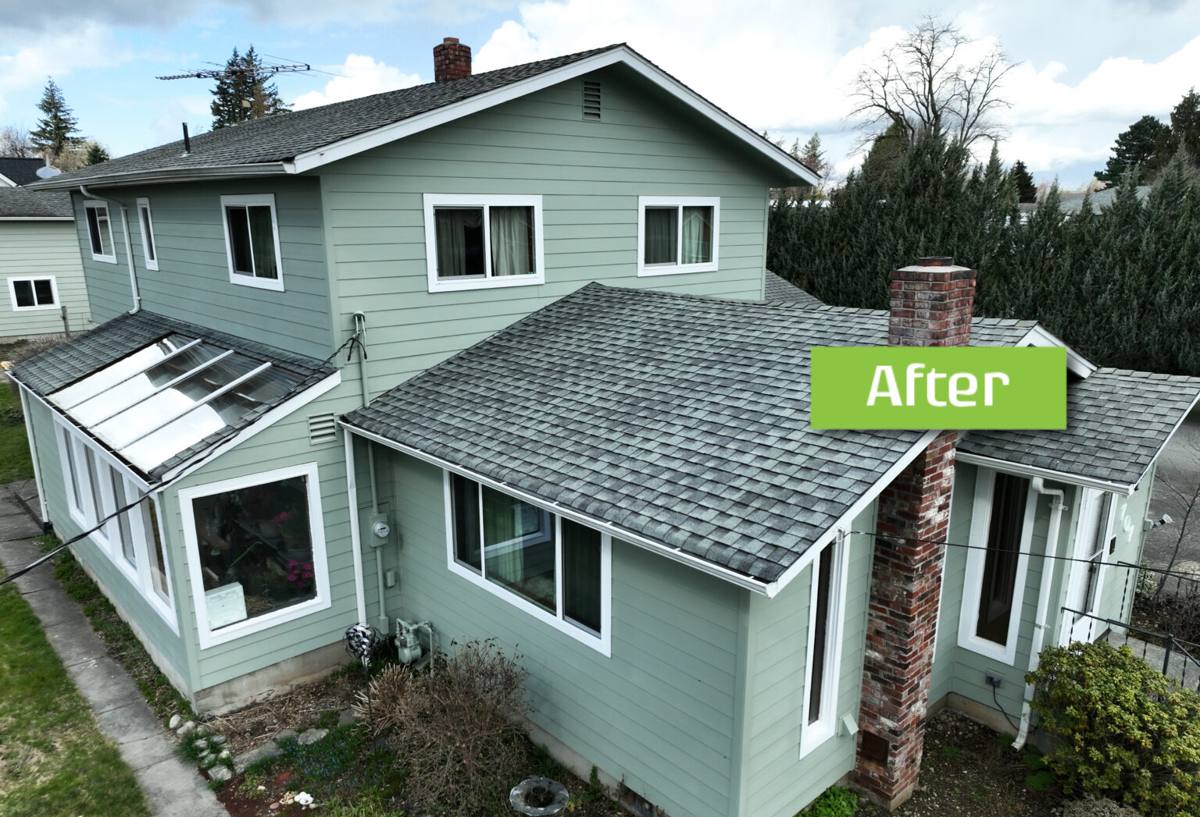
Signs a Roof Needs Replacing, Not Just Patching
Not every roofing problem calls for a full tear-off. But out here, where wind-driven rain and salt exposure accelerate wear, a roof that's showing multiple failure points is usually past the point where patching makes financial sense. Common signs we look for during an inspection:
- Granule loss on asphalt shingles heavy enough to see bare mat, especially on south and west-facing slopes that catch the most weather
- Curling, cupping, or cracked shingles, particularly near ridge lines and valleys
- Soft or spongy decking felt underfoot in the attic or discovered during tear-off
- Rust streaking or corrosion around flashing, vent boots, and fasteners — a direct result of salt air
- Persistent moss growth that keeps returning within a season or two of cleaning
- Daylight visible through the roof deck from inside the attic
- Water staining on interior ceilings or in the attic that tracks back to roof penetrations
If a roof is under about ten years old and the damage is localized — one bad flashing detail, a section of storm damage — repair is usually the right call. Once a roof is into its second decade out here and showing several of the signs above at once, full replacement is almost always the more cost-effective path over the following ten years.
What a Correct Roof Replacement Involves
A roof replacement is more than swapping old shingles for new ones. The parts you don't see — decking, underlayment, flashing, and ventilation — are what determine whether the roof holds up against this area's weather or starts failing early.
Decking and Underlayment
Once the old roofing is stripped, we inspect the decking for soft spots, delamination, or rot before anything new goes down. Any compromised sheathing gets replaced — installing new roofing over bad decking just hides the problem and shortens the life of everything above it. For underlayment, we use synthetic underlayment as a base layer and add self-adhered ice-and-water membrane at eaves, valleys, and around penetrations — the areas most exposed to wind-driven rain working its way sideways under the shingles, which is a real risk given how much horizontal rain this area sees.
Ventilation
Proper intake and exhaust ventilation keeps moisture from condensing in the attic, which matters a lot in a climate this humid. Poor ventilation traps moisture against the underside of the deck, which accelerates rot and helps mold take hold — problems that show up as premature roof failure and, sometimes, indoor air quality issues. We check existing ventilation during the estimate and correct any imbalance as part of the replacement rather than leaving it as-is.
Flashing and Fasteners for Coastal Exposure
This is where salt air does the most damage over time. Standard fasteners and flashing can corrode faster near the water than they would further inland. We use corrosion-resistant flashing and fastener specifications appropriate for coastal exposure at chimneys, skylights, sidewalls, and any roof-to-wall transitions, since these are the spots most likely to develop a slow leak years after installation if the wrong materials go in.
Material Options and What They Cost to Own
There's no single "best" roofing material for every home — it depends on the roof's pitch, the home's style, budget, and how much upkeep the owner wants to take on. Here's how the common options stack up for a property in this climate:
| Material | Typical Lifespan | Moss/Algae Resistance | Maintenance Burden | Relative Upfront Cost |
|---|---|---|---|---|
| Architectural asphalt shingle | 25-30 years | Moderate (algae-resistant granules help) | Periodic moss removal on shaded slopes | Lower |
| Standing seam metal | 40-50+ years | High — sheds moss and debris well | Low | Higher |
| Composite/synthetic shingle | 30-50 years | Moderate to high | Low to moderate | Mid to higher |
| Cedar shake | 20-30 years with upkeep | Low without treatment — needs regular care | High | Mid to higher |
For most homes in this area, we lean toward architectural asphalt with algae-resistant granules as a solid, well-priced option, or standing seam metal for homeowners who want to minimize moss upkeep and get decades of service out of the roof. Cedar shake looks great but requires a real maintenance commitment in a climate this wet — we'll always tell you honestly what that upkeep looks like before you commit to it, rather than oversell a product that doesn't fit how much time you want to spend on roof maintenance.
Moss and Algae: A Bigger Deal Here Than Most Places
The long wet season, tree cover common around Lummi Nation properties, and shaded north-facing slopes create ideal conditions for moss and algae growth. Left alone, moss holds moisture against the shingle surface, works its way under tabs, and lifts roofing material — turning a cosmetic issue into a leak. As part of a replacement, we discuss a few things that reduce future moss pressure:
- Zinc or copper strips near the ridge, which release trace metals that inhibit moss growth as rain washes over the roof
- Algae-resistant shingle granules on new asphalt installations
- Keeping overhanging branches trimmed back to reduce shade and debris buildup
- A realistic cleaning schedule based on how shaded the roof actually is, rather than a one-size-fits-all recommendation
Our Roof Replacement Process
We keep the process straightforward and communicate clearly at each step, since a roof replacement is disruptive enough without added uncertainty:
- Inspection and estimate. We get on the roof, check the decking where accessible, look at ventilation, flashing, and current material condition, and give you a written estimate with material options explained in plain terms.
- Material selection. We walk through the tradeoffs for your specific roof — pitch, shade exposure, budget — so you pick a material that fits how you actually want to maintain the home.
- Scheduling around weather. Given how much rain this area gets, we plan tear-off and dry-in carefully to minimize the window your home is exposed, and we don't strip more roof than we can get dried in before weather moves in.
- Tear-off and deck inspection. Old roofing comes off, decking gets inspected and repaired as needed, and any hidden damage gets flagged and priced before we cover it back up.
- Installation. Underlayment, ice-and-water membrane at vulnerable areas, flashing, ventilation components, and the new roofing material go in to manufacturer specifications.
- Cleanup and walkthrough. We clear debris, run a magnetic sweep for stray fasteners, and walk the finished roof with you before calling the job done.
Why a Crew That Already Works This Area Matters
A roofing crew that regularly works Lummi Nation and the surrounding Ferndale and Whatcom County shoreline knows the difference between a roof detail that works inland and one that actually holds up against salt air and driving rain here. That shows up in the flashing specifications we default to, the underlayment choices we make without having to think twice, and the moss-prevention conversation we have with every customer instead of only when asked. It also means we're a known, reachable local business if a question comes up after the job is done — not a crew that installed a roof and moved three counties away.
Before hiring anyone for a roof replacement in this area, it's worth checking a few basics:
- Current Washington state contractor license and liability insurance, verifiable independently rather than taken on the contractor's word
- A written estimate that specifies underlayment type, flashing approach, and ventilation — not just "shingles and labor"
- A clear warranty structure covering both materials and workmanship, and an explanation of what each one actually covers
- References or a track record of work in this specific area, since coastal roofing experience isn't universal even among licensed contractors
- A straightforward answer about how they'll handle weather delays, since rain scheduling is a real part of any roofing job here
Getting Started
If your roof is showing wear, has moss you can't seem to get ahead of, or is simply getting old enough that you'd rather plan a replacement than react to a leak, we're happy to take a look. We'll give you a straightforward, no-pressure estimate — what we see, what it would take to fix it right, and honest options at different price points. Use the form below to get in touch and we'll schedule a time to come out.