 Ferndale
 Window Installation Built for the Lummi Nation Waterfront Climate
Homes in and around Lummi Nation sit close to Bellingham Bay and the Strait of Georgia, and that proximity to salt water changes what a window installation needs to do. This isn't the same job as swapping windows on a house twenty miles inland in Whatcom County. Salt-laden air, wind-driven rain off the water, and a moss season that can run half the year all put extra load on the window opening, the flashing, and the materials themselves. A window that's installed correctly for a dry inland lot can still fail early out here if the installer didn't account for what the coastal environment does to a building envelope over time.
This page is about one thing: window installation done right for homes in the Lummi Nation area, and why the details matter more here than they do elsewhere in Ferndale.
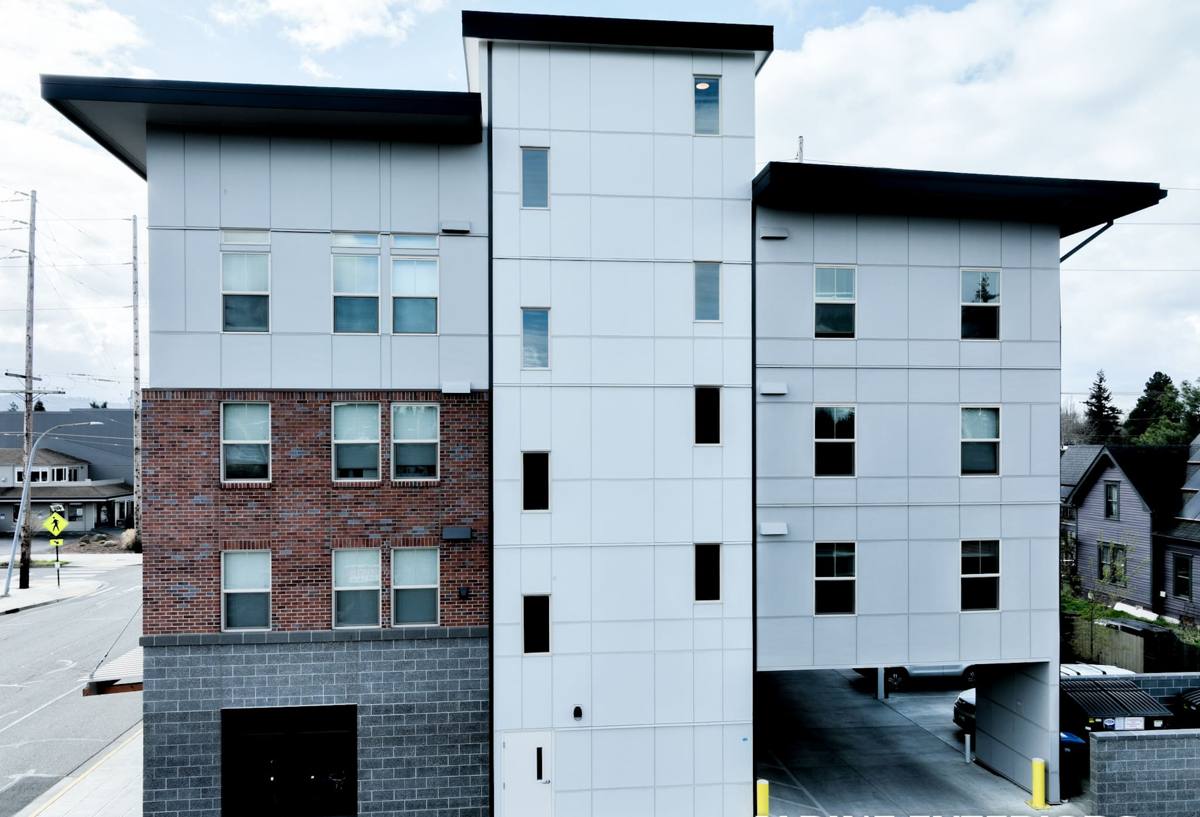
What Salt Air, Rain, and Moss Actually Do to a Window Opening
Salt Air and Metal Components
Salt in the air accelerates corrosion on anything metal — window fasteners, flashing tape adhesives that weren't rated for it, aluminum trim, and even some low-grade hardware inside the sash. Over years, corroded fasteners loosen, and a window that was shimmed and screwed in tight can start to shift, letting in drafts and water at the corners first.
Wind-Driven Rain
Rain that comes in sideways off the water doesn't behave like rain falling straight down. It gets pushed up under trim and into gaps that would stay dry in a calmer setting. This is why flashing sequence and sill pan work matter so much more here — a window opening that's "close enough" on a sheltered inland lot can leak within a season or two on an exposed waterfront wall.
Moss and Sustained Moisture
Whatcom County's long wet season keeps north-facing walls, trim, and window sills damp for extended stretches. Moss and algae take hold anywhere moisture sits and doesn't dry out — including on window sills, in track channels, and on the caulk lines around the frame. Beyond being unsightly, sustained moisture against wood trim or a poorly sealed frame is what eventually leads to rot.
Signs a Window Is Already Losing the Battle
Before we talk about installation, it helps to know what failure looks like on a coastal-exposure home. If you're seeing any of these, it's worth having the window and the opening around it evaluated — not just the glass itself:
- Soft or discolored trim or siding directly around the window frame
- Fogging or a visible haze between the glass panes (failed seal)
- Drafts you can feel along the frame edges on a windy day
- Paint or finish that's bubbling, peeling, or chalky near the sill
- Persistent moss or dark staining on the sill or lower trim
- Windows that stick, won't latch fully, or have visibly sagged in the frame
- Water staining on interior drywall below or beside the window
Any one of these on its own might be minor. Several together usually mean water has been getting past the surface for a while.
What a Correct Installation Involves in This Location
Flashing and Moisture Barrier Sequence
The single biggest factor in whether a window leaks isn't the window itself — it's how the opening is flashed. Done correctly, each layer (weather-resistive barrier, flashing tape, sill pan, and window flange) overlaps in the right order so that any water that does get behind the trim drains back out instead of pooling against the framing. On a wind-exposed wall near the water, we don't shortcut this sequence, because it's the layer that's doing the real work during a driving rainstorm.
Sill Pan Protection
A sloped sill pan under the window gives water a path out instead of a place to sit. This matters everywhere, but it matters more here, where sustained rain events are common and a flat or improvised sill detail is far more likely to hold moisture against the framing long enough to cause damage.
Fastening and Shimming for Wind Exposure
Windows need to be shimmed plumb, level, and square, then fastened per the manufacturer's schedule — not just "enough screws to hold it." On exposed elevations facing open water, wind load on the glass is real, and a window that's under-fastened or improperly shimmed can flex over time, breaking the seal at the corners.
Sealant Selection
Not every exterior sealant holds up to constant salt spray and UV exposure. We use sealants and flashing tapes rated for coastal and marine-adjacent exposure, not standard-grade products that are fine inland but degrade faster out here.
Choosing a Window Product for a Salt-Air, High-Moisture Site
Frame material matters more on this side of the county than it does further inland. Here's how the common options generally compare for a coastal Whatcom County home:
| Frame Material | Salt Air Resistance | Maintenance | Typical Trade-Off |
|---|---|---|---|
| Vinyl | Good — won't corrode or rot | Low; occasional cleaning | Limited color/finish options; can look plain on higher-end homes |
| Fiberglass | Very good — stable and corrosion-resistant | Low | Higher upfront cost than vinyl |
| Aluminum | Fair — needs a quality marine-grade finish or it pits over time | Moderate | Thermally less efficient unless thermally broken |
| Wood / Wood-Clad | Poor to fair unless cladding is fully intact and maintained | High — repainting, sealing, watching for rot at joints | Best natural look, but the highest ongoing upkeep in this climate |
We don't refuse to install any particular material — it's the homeowner's home and budget. But we'll tell you honestly where a product is going to demand more upkeep on a salt-exposed wall so you're deciding with real information, not surprises five years in.
Our Process, Start to Finish
1. On-Site Evaluation
We look at the existing opening, the wall's exposure to prevailing wind and rain, current signs of moisture damage, and what's actually behind the trim — not just the window itself.
2. Product and Scope Recommendation
We'll recommend frame materials and glazing suited to the wall's exposure, and explain the trade-offs in plain terms, including what a lower-cost option will and won't hold up to out here.
3. Removal and Opening Inspection
Once the old window comes out, we check the framing underneath for rot or prior water damage before anything new goes in. This is often where problems get found — and it's much cheaper to fix at this stage than after a new window is sealed over it.
4. Flashing, Sill Pan, and Installation
New window goes in plumb, level, square, properly shimmed, fastened to spec, and flashed in the correct sequence with coastal-rated materials.
5. Final Weatherproofing and Walkthrough
Exterior trim and sealant are finished, the window is tested for smooth operation, and we walk the job with you before we call it done.
Why It Matters to Hire a Crew That Already Works This Area
A contractor who mostly works dry, sheltered, inland lots isn't necessarily going to over-build the flashing detail or spec the right sealant for a home exposed to open water — because most of their jobs don't need it. A crew that regularly works homes around Lummi Nation and the surrounding shoreline sees the failure patterns specific to this environment: where moss builds up first, which elevations take the worst wind-driven rain, and which shortcuts show up as leaks two winters later instead of two weeks later.
We also understand that scheduling and access on and around Lummi Nation property can have its own considerations, and we work with homeowners directly to plan the job around whatever's specific to their site rather than assuming every property here is the same.
Keeping New Windows Performing Through Moss Season
A correct installation is the foundation, but a little seasonal upkeep extends the life of any window on a coastal lot:
- Clear debris and moss buildup from sills and tracks before the wet season sets in
- Rinse salt residue off frames and glass periodically, especially after storms
- Check and refresh exterior caulk lines every couple of years — sealant is a wear item, not a permanent fix
- Keep gutters and downspouts clear so roof runoff isn't dumping extra water onto window trim
- Watch for early signs of trim discoloration or softness and address it before it spreads
What Windows Typically Cost in This Kind of Job
Pricing depends on window size, frame material, glazing package, and how much of the surrounding trim and flashing needs to be rebuilt versus reused. As a broad range, straightforward vinyl replacement windows tend to sit at the lower end of the market, fiberglass runs higher, and any job that turns up rot or requires structural framing repair will cost more than a clean swap. We'll always give you a firm number after seeing the actual opening — not a phone estimate based on guesswork.
If you're dealing with drafts, fogged glass, or trim that's starting to show wear on a home near Lummi Nation, we're glad to take a look. Fill out the form below for a free, no-pressure estimate — we'll tell you honestly what your windows and openings need, and what they don't.