 Ferndale
 Roof Repair Built for Lummi Nation's Marine Climate
Homes on the Lummi Peninsula sit closer to the water than most of the rest of Whatcom County, and that changes what a roof has to survive. Salt-laden air off the Salish Sea, wind-driven rain that comes in sideways during winter storms, and a moss season that can run eight months or more all put extra stress on a roof system. A repair that holds up fine on a dry, inland roof further from the water can fail fast out here if it isn't done with this specific environment in mind.
We're a Ferndale-based crew, and Lummi Nation is part of our regular service area, not a special trip we make once in a while. That matters when it comes to actually diagnosing a leak correctly instead of just patching the spot where the stain showed up on the ceiling.
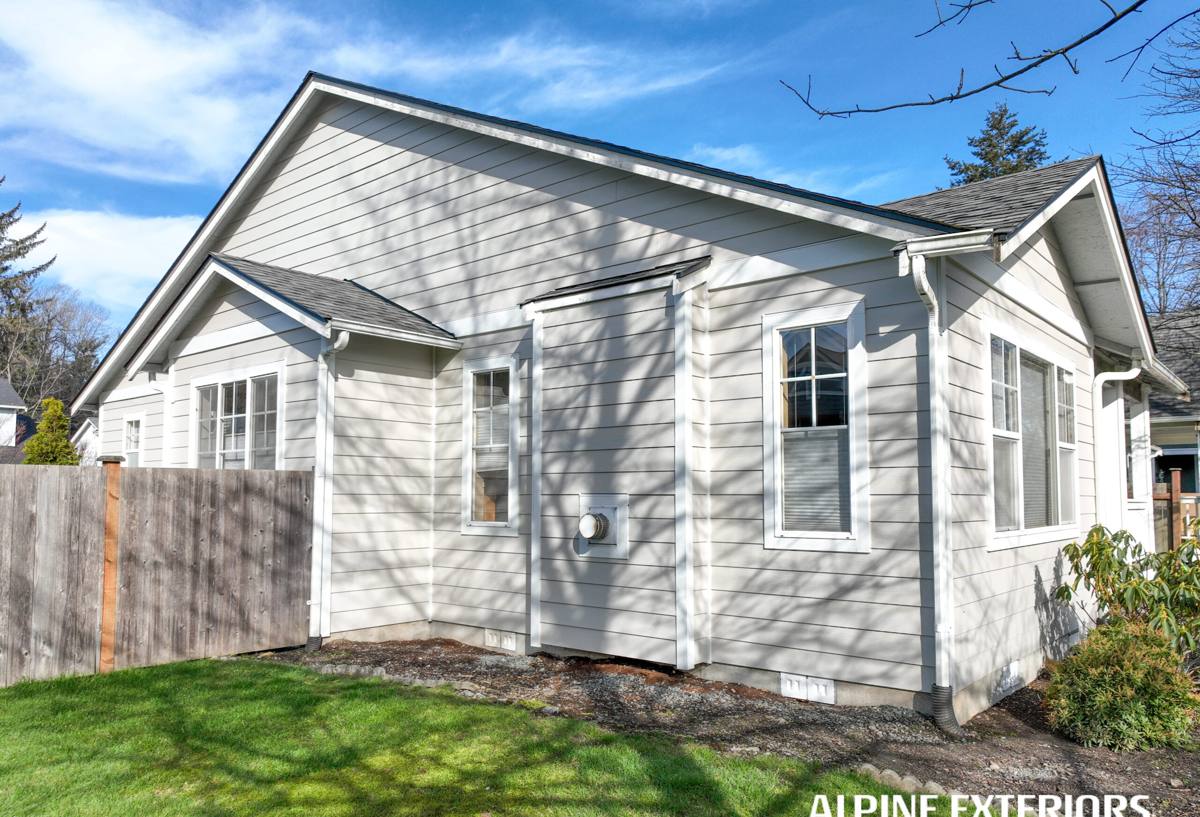
What Salt Air, Driving Rain, and Moss Do to a Roof
Salt Air and Marine Exposure
Roofs near the water deal with airborne salt settling on every surface, including metal flashing, fasteners, and roof vents. Over time, salt exposure speeds up corrosion on anything that isn't rated for a marine or coastal environment. A nail that would last decades a few miles inland can start rusting and losing its grip years earlier out here. That's a big part of why the fasteners and flashing metal we choose for a repair near Lummi Nation aren't automatically the same ones we'd grab for a job in a drier part of the county.
Driving Rain and Wind-Driven Water
Puget Sound storms don't just drop rain straight down. Wind pushes it sideways and up under laps, shingle tabs, and flashing edges that were never designed to shed water from that angle. This is how a roof can look completely fine from the ground and still be leaking at a valley, a wall transition, or a chimney. Most of the repair calls we get near the water trace back to wind-driven water finding a weak point rather than a roof simply "wearing out."
The Long Moss Season
Cool, damp conditions for most of the year make this part of Washington ideal for moss growth on roofs, and Lummi Nation's shaded, tree-lined lots are no exception. Moss isn't just cosmetic. It holds moisture against the roof surface, works its way under shingle edges as it grows, and can lift material enough to let water in. Left alone through a full wet season, a light moss problem turns into a repair job.
Signs Your Roof Needs Repair Now
Some roof problems are obvious. Others show up as small clues that get ignored until a storm turns them into an active leak. Watch for these:
- Dark streaks, moss patches, or algae growth concentrated on the north-facing or shaded slopes
- Granules collecting in gutters or at downspout outlets
- Shingles that look cupped, curled, or lifted at the edges, especially after a windy stretch
- Rust staining or visible corrosion around flashing, vent boots, or exposed fasteners
- Soft or discolored spots on interior ceilings, particularly near chimneys, skylights, or where two roof planes meet
- Daylight visible through the roof deck from inside the attic
- Gutters or roof edges holding standing moss or debris well into summer
Any one of these on its own doesn't necessarily mean a major problem, but out here where wet weather returns quickly, small issues rarely stay small for long.
What a Correct Roof Repair Involves
Diagnosing the Real Problem
The single biggest mistake in roof repair is fixing where the water showed up instead of where it got in. Water can travel along the underside of the roof deck or down a rafter for several feet before it drips somewhere visible. A proper repair starts on the roof itself, tracing the path back to the actual entry point, not just patching the ceiling stain from inside.
Flashing Matters More Than Shingles
Most leaks we find near chimneys, walls, skylights, and roof valleys are flashing failures, not shingle failures. Flashing is the metal that seals transitions and edges, and it's the piece most likely to fail first in a marine climate because of corrosion and repeated wind-driven water exposure. A repair that replaces a few shingles but ignores worn or improperly lapped flashing underneath is a temporary fix at best.
Matching Materials and Ventilation
A repair also has to match the existing roof correctly: same or compatible shingle profile, proper underlayment at the repair area, and attention to how the roof is ventilated. Poor attic ventilation traps moisture, which speeds up moss growth and can cause the roof deck to deteriorate from underneath, undermining a repair that looks perfect from the outside.
Our Roof Repair Process
- Inspection. We get on the roof, not just in the yard with binoculars, and check the suspect area along with flashing, valleys, and vents that commonly fail nearby.
- Honest diagnosis. We explain what's actually causing the problem, in plain language, before any work starts.
- Written scope. You get a clear description of what will be repaired and why, so there's no guessing about what you're paying for.
- The repair. We remove and replace only what's damaged or compromised, tie new material and flashing into the existing roof correctly, and reseal all affected transitions.
- Cleanup and check. Debris and old material are hauled off, and we walk the repair with you before we consider the job done.
Repair or Replacement: How We Help You Decide
Not every roof problem needs a full replacement, and not every roof should be repaired again. We look at the age, condition, and history of the roof as a whole before recommending either path.
| Factor | Repair Usually Makes Sense | Replacement Should Be Considered |
|---|---|---|
| Roof age | Well within the material's expected lifespan | Near or past the manufacturer's expected service life |
| Number of past repairs | First or isolated repair in this area | Same roof has needed repeat repairs in different spots |
| Extent of damage | Localized to flashing, a valley, or a small section | Widespread granule loss, curling, or moss damage across multiple slopes |
| Underlying deck condition | Deck is solid and dry | Deck shows soft spots, rot, or water staining over a large area |
| Cost relative to full roof value | Repair cost is a small fraction of a full re-roof | Repair costs are climbing and approaching what a partial or full replacement would run |
As a general range, a straightforward flashing or localized shingle repair often runs from a few hundred dollars up to around a couple thousand, depending on access, roof pitch, and how much has to be opened up to fix it correctly. Storm damage covering a larger area, or a roof with multiple failure points, can run higher. We'll always tell you honestly if we think a repair is the wrong call and a replacement would serve you better long term.
Materials and Methods That Hold Up Here
For roofs exposed to salt air and heavy moisture, we favor corrosion-resistant flashing and fasteners over standard-grade material, since the cost difference is small compared to redoing a repair a few years early because of rust. Where moss and algae growth has been a recurring issue, algae-resistant shingle products can help slow regrowth on the repaired section, though they don't eliminate the need for periodic cleaning. Proper underlayment and careful sealing at every lap and transition matter as much as the visible shingle work, since that's what keeps wind-driven rain from finding a way in underneath.
We also pay attention to how a repair affects the roof's drainage and airflow as a whole. A patch that changes how water sheets off the roof, or blocks ventilation at a soffit or ridge, can create a new problem even while it solves the old one.
Simple Maintenance That Extends the Life of a Repair
A good repair lasts longer with a little basic upkeep, especially in a climate that stays wet for most of the year. We recommend:
- Clearing moss and debris from the roof and gutters at least once a year, more often under heavy tree cover
- Keeping gutters and downspouts flowing freely so water doesn't back up under the roof edge
- Trimming back overhanging branches that keep sections of the roof shaded and damp
- Having flashing and vent boots checked every few years, since they wear out faster than the shingles around them near the water
- Addressing small leaks and stains as soon as they're noticed rather than waiting for the next dry stretch
Why a Ferndale Crew That Knows Lummi Nation Matters
Roofing done by someone unfamiliar with this stretch of coastline often means guessing at problems that are actually predictable if you work here regularly. We already know which flashing details tend to fail first in salt air, which slopes hold moss longest, and how wind-driven rain typically finds its way into a roof system near the water. That local, repeated experience is what separates a repair that solves the problem from one that just delays it.
As a Ferndale-based crew serving Lummi Nation and the surrounding Whatcom County coastline, we're not learning this climate on your roof. If you've got a leak, a moss problem, or a repair that didn't hold up the first time, we're glad to come take an honest look. Reach out below for a free, no-pressure estimate.