 Ferndale
 Storm Damage Roof Repair Built for Kendall's Weather
Kendall sits back in the Whatcom County foothills, under heavier tree cover and closer to the terrain that funnels wind and rain off the mountains than homes down in town. That setting is beautiful, but it's hard on a roof. Between wind gusts that snap through the timber, driving rain that finds every weak seam, and a moss season that runs longer here than in more open, sunnier parts of the county, roofs in this area take a different kind of beating than a typical suburban home. When a storm rolls through and does damage, or when years of that slow grind finally show up as a leak, homeowners need a repair that actually addresses what caused the problem — not just a patch over the symptom.
This page covers what storm damage roof repair looks like specifically for Kendall properties: what the local climate does to roofing materials, what a repair should include to hold up, how our process works from first call to final check, and why it matters to hire a crew that has actually worked roofs in this part of Whatcom County before.
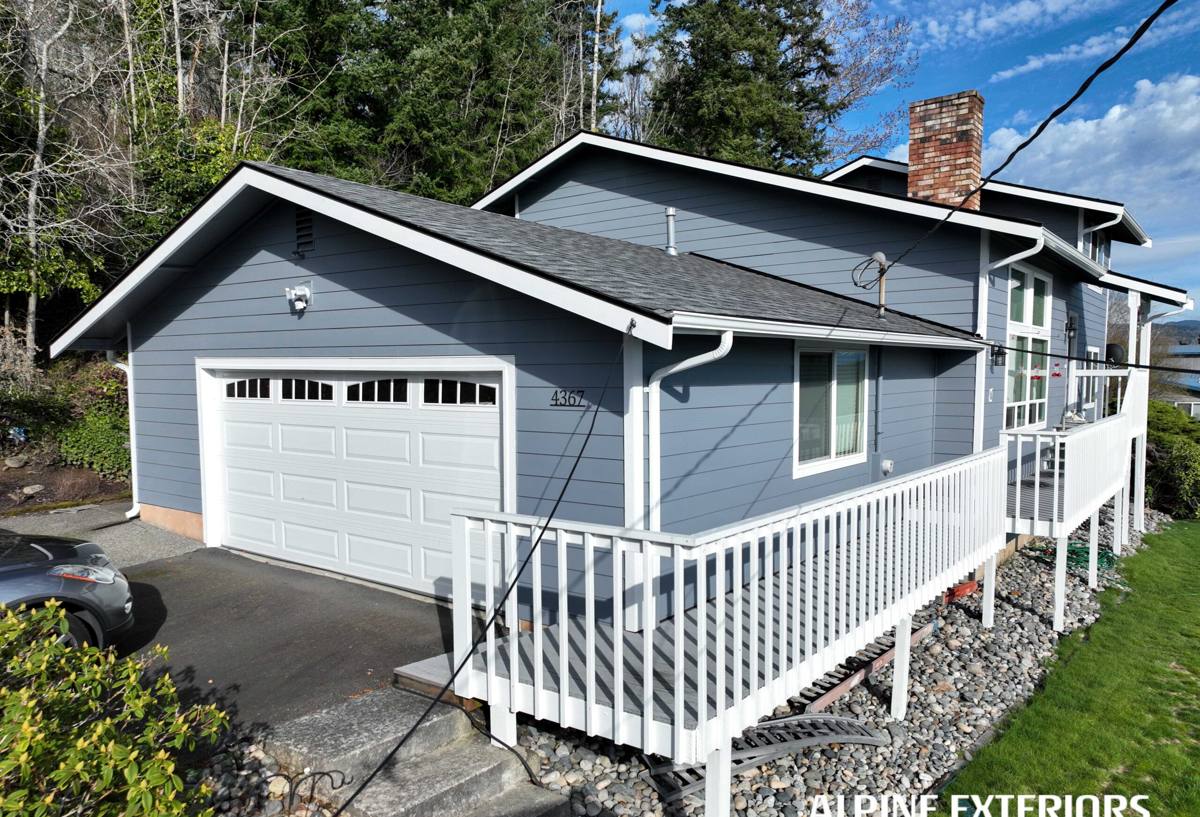
What Kendall's Climate Does to a Roof
Driving Rain and Wind-Driven Wet
Storms moving through this stretch of Washington don't just drop rain straight down — wind pushes it sideways, up under shingle tabs, along flashing edges, and into any gap that a calmer rain would never reach. Over time, and especially after a hard blow, that wind-driven moisture finds its way past the visible roofing layer and into the underlayment and decking underneath. A repair that only addresses the surface layer misses this.
Heavy Tree Cover and a Long Moss Season
The dense tree canopy that makes this area attractive also keeps roofs shaded and damp longer than roofs out in the open. That extended dampness is exactly what moss and moss-adjacent growth need to take hold, and once moss establishes itself under shingle edges, it lifts them and holds water against the roof surface. Combine that with the broader Puget Sound region's naturally moisture-heavy, salt-tinged air working its way inland through weather systems, and you get roofing materials that are under near-constant low-grade moisture pressure, not just occasional storm hits.
Temperature Swings Near the Foothills
Being closer to higher elevation than the coastal parts of the county means Kendall sees more freeze-thaw cycling and occasional wet snow loads that homes closer to Ferndale proper rarely deal with. That cycling stresses fasteners, flashing seals, and any existing cracks or soft spots, widening them over a season rather than all at once.
Common Storm Damage We See in This Area
- Wind-lifted or torn shingles — tabs pulled loose or missing entirely after a gust event, especially on exposed roof edges and ridges
- Tree limb and debris impact — punctures, cracked shingles, or dented flashing from falling branches, common given the tree density around Kendall
- Granule loss and surface wear — accelerated by driving rain and years of moss growth breaking down the shingle surface
- Flashing failures — around chimneys, vents, and valleys, where wind-driven rain and repeated freeze-thaw movement work seals loose
- Moss-related lifting — shingle edges raised by moss growth, creating an entry point for water even without a single storm event to blame
- Ice and snow-related stress — occasional wet, heavy snow at this elevation putting extra load on already-weakened areas
What a Correct Storm Repair Actually Involves
A storm repair that's done right is not just swapping out the shingles that are obviously missing or cracked. It starts with figuring out how far the damage actually extends, because wind and water rarely stay confined to the spot that looks bad from the ground.
Checking Beneath the Surface
Any time shingles have been lifted, torn, or punctured, the underlayment and decking underneath need to be checked for moisture intrusion. Repairing over wet decking or damaged underlayment just traps the problem and guarantees it resurfaces, usually as a ceiling stain months later.
Matching Materials Properly
A patch repair should match the existing roofing as closely as possible in profile, color, and material type. Mismatched shingles are not just a cosmetic issue — different products can shed water and expand/contract at different rates, which creates new weak points right at the seam between old and new.
Flashing and Seal Work
Because so much of the damage in this area starts at flashing and edge details rather than the open field of the roof, a proper storm repair re-seats or replaces compromised flashing rather than just caulking over it. Caulk is a short-term fix, not a repair.
Our Storm Damage Repair Process
1. Inspection and Documentation
We walk the roof (or use a safe vantage point when conditions don't allow walking it) and document the damage clearly — what's affected, how extensive it is, and whether there's evidence of moisture already reaching the decking. This documentation matters for both the repair plan and any insurance claim.
2. Temporary Protection
If a storm has left the roof exposed, our first priority is keeping water out with temporary tarping or sealing before we ever talk about the permanent repair. A day or two of delay on the actual repair shouldn't turn into a day or two of active leaking.
3. Clear Scope and Estimate
We explain what we found, what needs to be repaired versus what can be left alone, and give a straightforward estimate. If we think the damage is limited enough that a full replacement isn't warranted, we'll tell you that directly.
4. Repair and Quality Check
We complete the repair with matched materials, then check the surrounding area — not just the damaged spot — for related wear that a storm often exposes but doesn't directly cause.
Repair or Replace? What Actually Decides It
Not every storm-damaged roof needs to be replaced, and not every roof that "just needs a patch" is actually a good candidate for one. The honest answer depends on a few factors:
| Factor | Favors Repair | Favors Replacement |
|---|---|---|
| Age of roof | Under roughly half its expected service life | Already near or past expected lifespan |
| Extent of damage | Isolated to one section or slope | Spread across multiple slopes or the ridge |
| Decking condition | Dry, solid, no rot found | Soft spots or moisture damage present |
| Moss/wear history | Minimal prior moss or granule loss | Heavy pre-existing moss damage or bald spots |
| Material availability | Matching shingle still available | Discontinued profile or color, poor match likely |
We'll walk you through where your roof lands on these factors rather than defaulting to whichever answer is more profitable for us. A well-executed repair on a roof with years of life left is often the right call.
Insurance Claims and Storm Damage
Wind and impact damage from a storm is frequently covered under homeowner's policies, though every policy is different and we're not the ones who make that determination. What we can do is provide clear photo documentation, a written scope of damage, and a repair estimate that gives you and your adjuster something concrete to work from. If an adjuster's assessment doesn't match what we found on the roof, we can walk them through our findings directly.
Why Hire a Crew That Already Works in Kendall
Roofing crews unfamiliar with this specific stretch of Whatcom County sometimes underestimate how much the tree cover and terrain change what a roof needs versus a similar-age roof closer to Ferndale or out on more open ground. A crew that's already worked this area knows to check for moss-driven lifting even when the visible damage looks purely storm-related, knows which flashing details tend to fail first under the local wind pattern, and can get here without treating a foothills property as an inconvenient drive. That local familiarity shows up in fewer missed problems and a repair that's sized to what your roof actually needs.
Reducing Future Storm Damage: A Homeowner Checklist
- Trim back tree limbs that overhang or brush against the roofline — reduces both impact risk and shade-driven moss growth
- Clear gutters and valleys of needles and debris at least twice a year given the tree density in this area
- Have moss growth treated before it lifts shingle edges, not after
- After any significant wind event, do a visual check from the ground for missing or lifted shingles
- Check attic spaces periodically for water staining, which often shows up before a leak is visible from outside
- Address small flashing or seal issues promptly rather than waiting for them to become active leaks
If a recent storm has left your Kendall-area roof damaged, or you've noticed signs of wear building up over a wet season, we're happy to take a look and give you a straightforward, no-pressure estimate. Use the form below to get in touch and we'll go from there.