 Ferndale
 James Hardie Siding Built for Kendall's Climate
Kendall sits in a stretch of Whatcom County that puts real, sustained pressure on a home's exterior. Salt-tinged air moves through the area and works on anything metal or improperly sealed. Rain doesn't just fall here, it gets driven sideways and up under trim and laps by wind. And a long, damp moss season settles onto north-facing walls and shaded siding runs and doesn't let go for months at a stretch. Siding in Kendall isn't decorative — it's the single layer standing between that weather and the framing, sheathing, and insulation underneath it.
This page is specifically about James Hardie fiber cement siding installed on Kendall homes: why we install this product and no other, what Kendall's climate actually demands from a siding system, what a correct installation involves in practice, and how our process works from first look to final walkthrough.
Why This Company Installs Only James Hardie
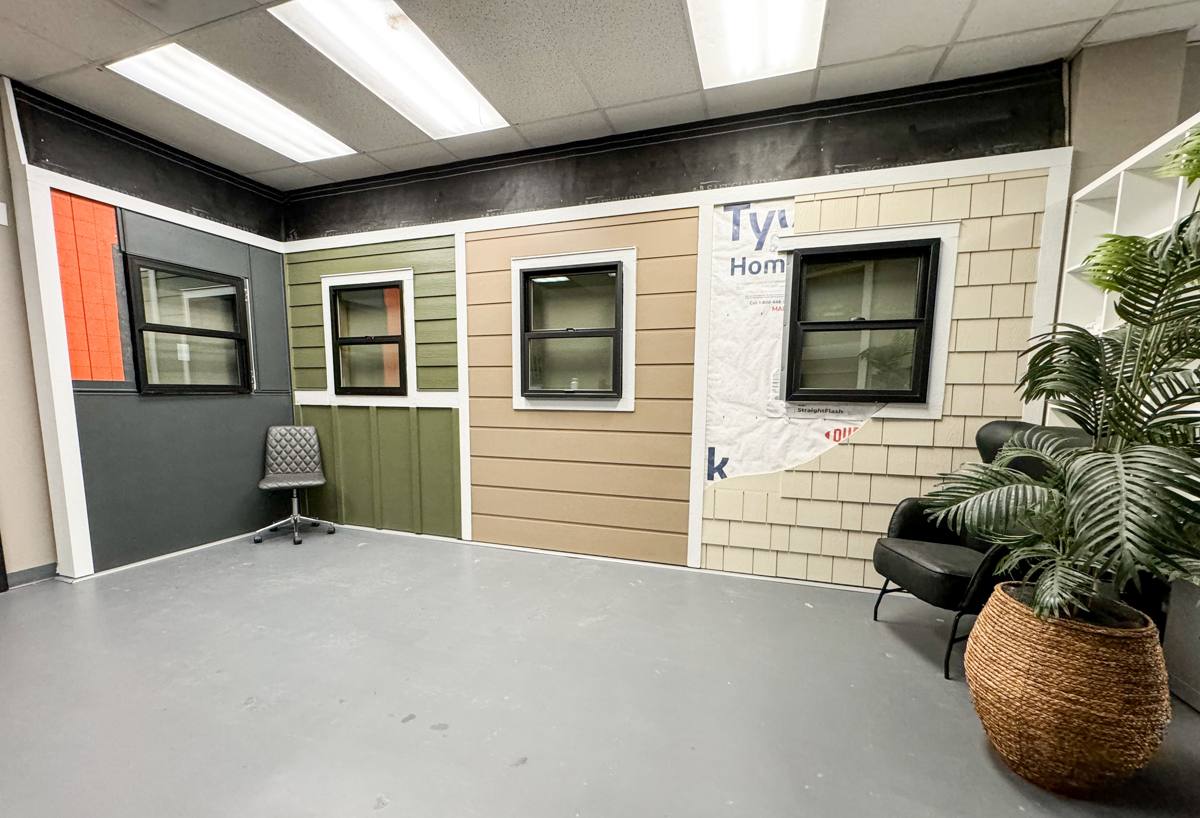
We don't install vinyl, LP SmartSide, Cemplank, Allura, primed spruce, or cedar siding. That's not a marketing position, it's a standard we set based on how these products actually perform over years of real Pacific Northwest weather versus how they're marketed on install day. Several of those products are perfectly reasonable materials in the right climate or the right hands. In Kendall's specific combination of salt air, driving rain, and a moss season that runs most of the wet half of the year, we've settled on one product system because it holds up to that combination better than the alternatives, and because standardizing lets our crews get genuinely expert at one installation system rather than spread thin across several.
A Non-Combustible, Climate-Engineered Product
James Hardie fiber cement is manufactured from cement, sand, and cellulose fiber, which makes it non-combustible — a real, meaningful difference from wood-based and vinyl products, and one insurers increasingly recognize. It doesn't rot, it doesn't feed insects, and it doesn't absorb water the way engineered wood substrates can. For a Kendall home dealing with a genuinely long wet season, that moisture behavior is the whole ballgame.
The HZ5 Product Line and ColorPlus Finish
For the Pacific Northwest we install Hardie's HZ5 product line, engineered specifically for colder, wetter climate zones like this one rather than a generic national formulation. Most of what we install carries ColorPlus Technology, a factory-applied finish baked onto the board under controlled conditions before it ever reaches Kendall. That finish resists fading, chipping, and cracking better than field-applied paint, and it carries its own finish warranty separate from the substrate warranty on the board itself. Combined, the climate-specific board and the factory finish are why we treat James Hardie as an engineered system, not just a siding product.
What Kendall's Climate Actually Demands From Siding
Every siding decision in Kendall should get evaluated against the same three stresses, because they're the ones that actually determine how a wall performs ten and twenty years out.
- Salt-tinged marine air: accelerates corrosion on unprotected fasteners and low-grade flashing metal, which is often where a wall assembly starts failing years before anyone notices from the ground.
- Wind-driven rain: doesn't behave like straight-down rainfall — it gets pushed under laps, around trim, and into joints that a fair-weather installation never expected water to reach.
- A long moss season: shaded and north-facing walls in Kendall hold moisture for months, which is exactly the environment that favors mold, mildew, and coating breakdown on lower-grade materials.
- Freeze-thaw and moisture cycling: the wall assembly needs to dry out between wet stretches, not just resist water on the surface — this is a drainage and ventilation question as much as a material question.
None of these stresses are unique to Kendall. What's specific to this area is how consistently all three show up together, year after year, which is why a siding system engineered for this exact climate zone performs differently here than the same product does in a milder or drier region.
What a Correct James Hardie Install Involves
Fiber cement siding is only as good as the installation underneath the finished look. Most of the failures we get called out to inspect on other contractors' work trace back to a handful of installation shortcuts, not a defect in the board itself.
Fastening and Clearances
James Hardie publishes specific fastener type, spacing, and penetration requirements, and following them is what keeps boards from working loose or cracking around the nail head under wind load and thermal movement. Ground clearance and minimum gaps at decks, patios, and roof lines matter just as much — skip them and you're inviting standing moisture against the bottom edge of the board, which is where a lot of avoidable rot at the framing level starts.
Water Management: Housewrap, Flashing, and Drainage
Correctly lapped housewrap, properly integrated flashing at every window, door, and penetration, and a drainage gap behind the siding are what actually keep wind-driven rain from reaching the sheathing. The siding itself is the visible layer; the water management system behind it is what determines whether Kendall's rain actually causes a problem.
Joint and Butt Seam Treatment
Every butt joint where two boards meet is a potential water entry point if it's not treated correctly — caulked, backed, or flashed per manufacturer specification rather than just butted together and painted over. This is one of the easiest places for a rushed install to cut a corner that won't show up as a visible problem for a few years.
Ground Clearance and Starter Strip
A proper starter strip sets the first course at the correct angle and clearance, which affects how every course above it sheds water for the life of the siding. Getting this wrong at the bottom of the wall is a mistake that's difficult and expensive to correct later without pulling the whole run.
James Hardie Compared to Products We Don't Install
We're not going to tell you other siding products don't work anywhere — they do, in the right application. This is simply an honest look at the trade-offs that led us to standardize on one product for Kendall's climate.
| Material | Moisture Behavior | Maintenance Burden | Fire Classification |
|---|---|---|---|
| James Hardie fiber cement | Doesn't absorb or swell; engineered HZ5 line for wet climates | Low — periodic washing, no repainting on ColorPlus finish | Non-combustible |
| Vinyl | Doesn't rot itself, but can trap moisture behind it and warp or crack with temperature swings | Low, but limited repair options if damaged and can fade unevenly | Combustible |
| LP SmartSide (engineered wood) | Wood-based substrate; performance depends heavily on caulking and paint maintenance staying current | Moderate — needs ongoing sealant and paint upkeep to protect the substrate | Combustible |
| Cedar | Natural material; absorbs and releases moisture, prone to warping and rot without diligent upkeep | High — regular refinishing or staining required | Combustible |
The pattern that matters most for Kendall is moisture behavior and maintenance burden, because this is a climate that doesn't give a wood-based or improperly sealed product much of a chance to dry out and recover between wet stretches.
Cost Factors for a Kendall Hardie Project
Bids for what looks like the same siding job on paper can vary significantly, and the difference almost always comes down to real scope differences rather than one contractor simply marking up the same work.
| Factor | What It Affects |
|---|---|
| Full tear-off vs. install over existing siding | Whether hidden sheathing or framing damage gets found and fixed before new siding goes on |
| Housewrap and flashing scope | How well the finished wall resists wind-driven rain intrusion long-term |
| Board profile and texture | Lap, panel, or shingle profile changes both material cost and labor time |
| ColorPlus factory finish vs. primed-and-field-painted | Upfront cost versus long-term finish durability and repainting avoidance |
| Home size, trim detail, and wall complexity | Labor hours, especially around windows, corners, and multiple roof lines |
| Access and site conditions | Staging, scaffolding, and protection needs on the specific lot |
A written estimate that itemizes these factors tells you far more than a single lump-sum figure, and it's worth asking any contractor to walk through exactly what's included before comparing numbers side by side.
How Our Process Works
- In-person inspection: we walk the exterior in person, checking existing siding condition, trim, and water management details, not just a driveway look or a photo estimate.
- Written estimate: a clear, itemized bid covering tear-off or install scope, housewrap and flashing, board profile and finish, and cleanup — no vague single-line pricing.
- Material selection: we walk through HZ5 profiles, textures, and ColorPlus color options against your home's trim, roof, and the realities of Kendall's climate.
- Scheduling around weather: we build reasonable flexibility into the timeline, since wet-season delays are a normal part of working in this region.
- Installation to manufacturer specification: fastening, clearances, flashing, and joint treatment all follow James Hardie's published requirements, not a shortcut pattern.
- Final walkthrough and cleanup: we review the completed work with you and do a full site sweep before calling the job done.
Why Hiring a Crew That Already Works in Kendall Matters
A crew that regularly installs siding in and around Kendall has already seen how salt-tinged air corrodes underspecified fasteners, how wind-driven rain finds its way through poorly lapped housewrap, and which wall orientations hold moss longest through the wet season. That's practical knowledge that shows up in dozens of small decisions on every job — decisions a crew unfamiliar with this specific climate might not think to make at all.
It also matters after the job is finished. A workmanship warranty is only as good as the company standing behind it, and a contractor with an established, ongoing presence in this area is one you can actually reach a few years later if a question comes up.
A Practical Checklist Before You Choose a Siding Contractor
- Do they install James Hardie's HZ5 line specifically, or a generic national product not engineered for this climate zone?
- Does the estimate specify fastener type, housewrap, and flashing scope, not just "new siding"?
- Is ground clearance and drainage detail explicitly addressed, especially at decks and grade transitions?
- Do they carry current WA contractor licensing, liability insurance, and workers' compensation?
- Can they point to recent, real local work in or near Kendall?
- Does the bid separate James Hardie's product warranty from the contractor's own workmanship warranty?
Signs Your Kendall Home's Siding May Need Attention
Siding failure is rarely sudden. It usually gives warning signs first, and catching them early is often the difference between a repair and a full re-side.
- Visible warping, cracking, or soft spots, especially near ground level or under decks
- Persistent moss or dark streaking on shaded or north-facing walls that doesn't clean off easily
- Peeling or bubbling paint, which often signals moisture trapped behind the surface
- Gaps opening at butt joints, corners, or trim intersections
- Rising utility bills or drafts that suggest the wall assembly is no longer sealing properly
If you're noticing any of these, it's worth having the siding looked at before the next stretch of wet weather rather than waiting for interior damage to force the decision.
If you'd like an honest, no-pressure look at your Kendall home's siding and a written estimate to compare against anything else you've received, we're glad to come take a look. Use the form below to request a free estimate.