 Ferndale
 Deck Repair Built for Sumas Conditions
Sumas sits out on the edge of Whatcom County, and decks out here don't age the same way they do in town. The ground is lower, the fog sits longer in the mornings, and a lot of properties back up to open farmland or tree lines that keep moisture around a lot longer than a breeze would allow closer to the water. We're based in Ferndale and we've been doing repair calls out this way for years — enough to know that a deck problem in Sumas usually isn't a one-off. If one board or one post has failed, there's a good chance the same conditions are working on the rest of the structure too.
This page is about deck repair specifically — not new builds, not full replacements unless that's genuinely the right call. We'll walk through what actually breaks down out here, what a correct repair looks like, and how to tell when repair still makes sense versus when it doesn't.
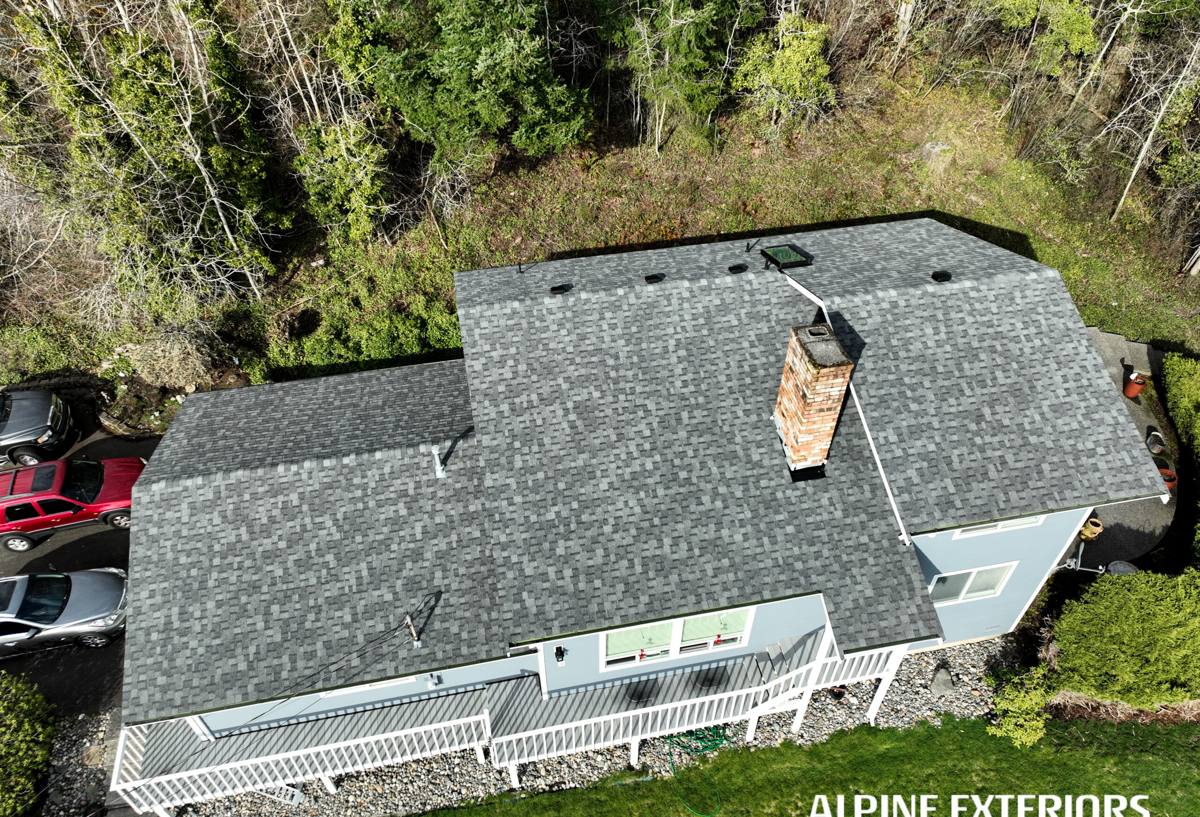
What the Local Climate Does to a Deck
Whatcom County's marine climate gets talked about mostly for the coast — salt air, driving rain, the long moss season that runs from fall through spring. Out in Sumas, the salt air matters less, but the rest of it matters more. Low-lying land near the river valley and farm fields holds fog and ground moisture longer into the day than you'll see on higher, more exposed lots. That extra dwell time is hard on a deck.
Wood doesn't need to be soaking wet to rot — it just needs to stay damp long enough, often enough. A few practical effects we see repeatedly on Sumas decks:
- Framing members that stay shaded or close to the ground hold moisture well past a normal rain event, which speeds up rot at joists and posts
- Moss and algae build up faster on north-facing or shaded deck surfaces, and moss holds water directly against the wood or decking material
- Metal fasteners and connectors corrode faster in persistently damp conditions, especially where the original build used standard coated screws instead of stainless or heavier hot-dip galvanized hardware
- Freeze-thaw cycles in colder snaps can widen small cracks in wood or concrete footings that started as minor issues
None of this means a Sumas deck is doomed — it means the maintenance and repair schedule needs to match the actual conditions on that lot, not a generic timeline.
The Repair Problems We See Most Out Here
Every deck is different, but certain failure points show up over and over on repair calls in this area:
- Ledger board rot — where the deck attaches to the house, often from missing or failed flashing that let water track behind the band board for years before anyone noticed
- Post base and footing issues — posts set in or too close to grade, without a proper standoff, that have been wicking moisture from the ground up
- Soft or spongy decking boards — usually in shaded sections or spots where debris and moss collect and never fully dry
- Loose or wobbly guardrails — connections that have loosened as the wood around the fasteners softens, which is a safety issue, not just cosmetic
- Corroded fasteners — screw heads that shear off or hardware that's visibly rusting, a sign the original build used the wrong grade of fastener for this climate
A lot of these start small and stay hidden. Soft decking is obvious. A rotting ledger board or an undersized footing usually isn't — that's why an actual inspection matters more than a quick look from the yard.
What a Correct Deck Repair Actually Involves
Ledger Board and Flashing
If the ledger connection is compromised, that's the priority — it's the structural link between the deck and the house, and it's also the single most common source of hidden water damage. A correct repair means removing enough siding or trim to inspect the flashing, replacing any rotted framing behind it, and installing flashing that actually sheds water away from the house rather than trapping it against the band board.
Framing and Posts
Joists, beams, and posts get checked with a screwdriver or awl, not just a visual look — you're testing for wood that's gone soft under a sound-looking surface. Anything compromised gets sistered or replaced, and any post sitting in direct ground contact gets corrected with a proper base and standoff so it's not drawing moisture up from the soil.
Decking Boards and Fasteners
Individual boards can usually be replaced without touching the whole surface, as long as the framing underneath is sound. This is also the point where we swap out any old fasteners for hardware rated for exterior, high-moisture use — this alone prevents a repeat call in a few years for the same reason.
Guardrails and Stairs
Because these are code and safety items, we don't patch a loose guardrail post with more screws into softened wood. If the post or the framing it's anchored to has degraded, it gets replaced properly, not reinforced in place.
Repair or Replace?
Not every deck problem calls for a rebuild, and not every deck problem should be patched either. Here's roughly how we think through it:
| Factor | Leans Toward Repair | Leans Toward Replace |
|---|---|---|
| Structural framing (joists, beams, posts) | Isolated soft spots, rest of frame sound | Widespread rot across multiple framing members |
| Ledger board | Localized damage near one section | Rot runs the full length of the attachment |
| Decking surface | A handful of boards affected | Most boards cupping, splitting, or soft |
| Footings | Sound concrete, posts just need standoffs | Undersized, cracked, or heaving footings |
| Age of original build | Newer structure, isolated issue | Older deck already near end of service life |
| Overall cost | Repair cost is a modest fraction of rebuild cost | Repairs would approach or exceed rebuild cost |
We'll tell you honestly which side of that line your deck falls on. There's no benefit to us talking someone into a full rebuild when a targeted repair will hold up fine, and there's no benefit to patching something that's going to fail again within a season or two.
Materials That Actually Hold Up Out Here
For structural framing repairs, pressure-treated lumber rated for ground contact where applicable is the standard — it's not the place to save money with a lighter-duty product. For fasteners and connectors, we use stainless steel or heavier-duty coated hardware suited to persistent moisture, not the general-purpose screws that sometimes go into a builder-grade deck the first time around.
For decking surfaces, both wood and composite have a place, and the right call depends on the homeowner's priorities:
- Wood decking costs less upfront and is straightforward to spot-repair board by board, but it needs regular cleaning and refinishing to keep moss and moisture from getting a foothold, especially in shaded areas
- Composite decking resists moisture and moss buildup better and needs less maintenance, but it costs more upfront, and repairs typically mean replacing full boards rather than patching, since composite doesn't sand or refinish like wood
We're not going to tell you one is universally better — it's a maintenance-versus-upfront-cost trade-off, and the right answer depends on how much deck upkeep you actually want to do each year.
How We Work
The process is the same whether it's a small repair or something more involved:
- We come out and physically inspect the deck — decking, framing, posts, footings, and the ledger connection — not just a walk-around from the yard
- We tell you plainly what's failing, what's still sound, and whether repair or replacement is the right call for your situation
- You get a written estimate before any work starts, with no pressure to upgrade beyond what the deck actually needs
- We do the repair with materials suited to this climate, not whatever's cheapest
- We clean up the site and walk you through what was done and what to keep an eye on going forward
Why a Ferndale Crew That Already Works Sumas Matters
We're not driving out to Sumas for the first time when your call comes in. Working this stretch of Whatcom County regularly means we already have a feel for how the local ground moisture, shade patterns, and seasonal fog affect a deck differently than a lot closer to town or the coast. It also means scheduling is realistic — we're not adding a special trip for a small repair, and we're not unfamiliar with how properties are laid out or how local building requirements apply to deck work in the area.
A crew that only occasionally works this area is more likely to treat every deck the same way, regardless of where it sits. That's how you end up with a repair that looks fine for a season and then fails again in the same spot.
After the Repair: Keeping It Solid
A good repair buys you years, but a few habits stretch that further, especially given how long moisture sits on the ground out here:
- Sweep leaves and debris off the deck surface regularly, especially in shaded corners where moss gets started
- Keep gutters and downspouts clear so runoff isn't draining directly onto or near the deck
- Check the ledger board area at the house connection once a year for any sign of new staining or softness
- Reseal or refinish wood decking on the manufacturer's recommended schedule rather than waiting until it looks obviously weathered
- Keep planting and grading around posts and footings so water isn't pooling against them
If your deck in Sumas has a soft spot, a wobbly rail, or you just haven't had it looked at in a while, we're happy to come take an honest look. The estimate is free, there's no pressure attached to it, and you'll get a straight answer about what it actually needs — you can reach us using the form below.