 Ferndale
 Custom Windows Built for Lynden's Weather
Lynden sits in the wet, green heart of Whatcom County, and the windows on a Lynden home take a steady beating from the same weather pattern that shapes the rest of the region: long stretches of driving rain, damp shaded exposures that never fully dry out, and the salt-tinged marine air that moves inland off Puget Sound and settles over the whole county. None of that is dramatic on any given day. It's the accumulation that causes problems — moisture working into gaps that were never sealed correctly, moss and algae taking hold on sills and trim that stay shaded and wet for months at a time, and seals that quietly fail years before anyone notices a draft.
"Custom windows" doesn't mean fancy or expensive. It means the window is built and installed to fit the actual opening and actual conditions of a specific house, rather than forcing a stock size into a rough opening and hoping the gaps close up with enough caulk. On older Lynden homes especially — farmhouses, additions built in different decades, homes with settled or slightly out-of-square framing — that distinction matters a lot more than most homeowners expect.
What "Custom" Actually Means
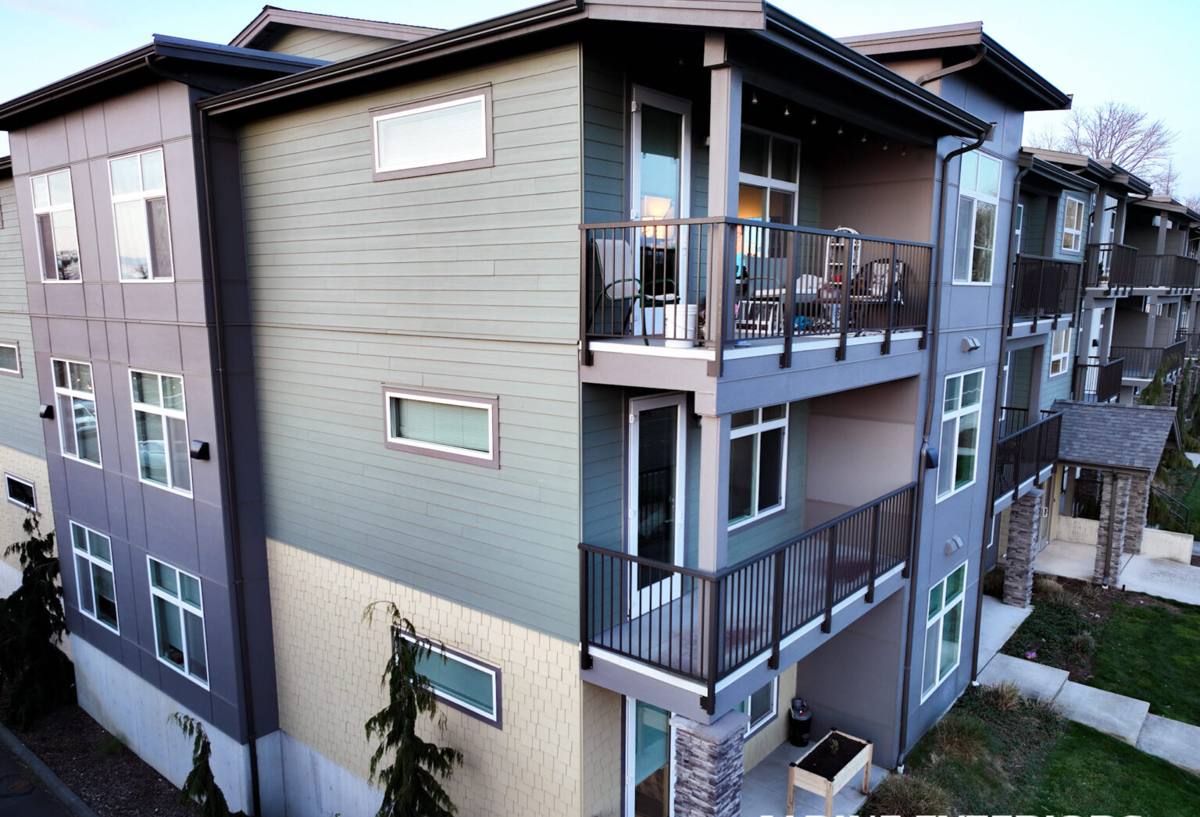
A custom window is one that's measured, ordered, and built to the exact dimensions and shape of an existing opening, rather than pulled off a shelf in a standard size. This comes up constantly in a farming and small-town community like Lynden, where a lot of housing stock is older, has been added onto over the years, or was originally built with openings that don't match anything in a current manufacturer's catalog.
Common Situations We See in Lynden
- Older farmhouses with original openings that have shifted slightly out of square over decades
- Additions or converted porches where the window openings were never standard sizes to begin with
- Odd shapes — arched, angled, or oversized openings that need a purpose-built unit rather than a stock frame with filler panels
- Mismatched window styles across a home's history, where a full or partial replacement is a chance to bring everything into a consistent look
- Openings where the original wood frame has degraded and the true opening size is no longer what the house plans say it should be
Trying to force a stock window into any of these situations usually means extra shimming, extra caulk, and extra long-term risk. A correctly sized custom unit removes that guesswork from the start.
Why Correct Installation Matters More Here Than in a Dry Climate
The window itself is only part of the job. In a climate that gets Whatcom County's volume of rain, the installation — the flashing, the moisture barrier, the sealant, the way the window ties into the wall assembly — is what actually determines whether water stays out for the next twenty years or finds its way in within the first two winters.
A window that's a great product but poorly installed will fail faster than a modest window installed correctly. We've seen both directions on Lynden homes, and it's the installation detail — not the glass — that decides which one you end up with.
What a Correct Installation Includes
- Proper flashing at the header, sill, and jambs so water is directed out and away from the framing, not trapped behind the trim
- A continuous weather-resistive barrier tie-in, so the window integrates with the house wrap instead of creating a gap in it
- Sill pan flashing under the window, which gives any water that does get past the exterior seal a way to drain back out instead of sitting on bare wood
- Correct shimming and squaring so the sash operates smoothly and the seals compress evenly all the way around
- Exterior sealant appropriate for the siding material and expected movement, applied at the right points — not everywhere, which can trap moisture instead of shedding it
- Interior air sealing, which affects both draft control and how much condensation forms on the glass in winter
Choosing the Right Window for a Lynden Home
There's no single "best" window material — the right choice depends on the home's style, budget, and how much upkeep the homeowner wants to take on. In a climate with this much sustained moisture, though, some trade-offs matter more than they would somewhere drier.
| Frame Material | Moisture Behavior | Maintenance | General Cost Range |
|---|---|---|---|
| Vinyl | Won't rot; handles constant damp well | Low — occasional cleaning | Lower to mid |
| Fiberglass | Very stable in wet/dry cycling; resists warping | Low | Mid to higher |
| Wood (clad exterior) | Good if the cladding seal stays intact; vulnerable where it doesn't | Higher — exterior cladding and interior wood need periodic attention | Higher |
| Aluminum | Durable but conducts cold and can condense more in our winters | Low | Varies |
We'll walk through which option makes sense for a specific house rather than pushing one material across every job. A lot of it comes down to how exposed a given wall is to weather, what the existing trim and siding look like, and how much long-term maintenance a homeowner actually wants to sign up for.
Glass Matters Too
Beyond the frame, the glass package affects comfort and condensation. Double-pane insulated glass is the standard baseline for a replacement window today. Triple-pane adds another layer of insulation and can reduce interior condensation on cold, damp mornings — a real consideration in a county where humidity sits high for much of the year — but it also adds weight and cost, so it's worth weighing against the specific window's exposure and the rest of the home's insulation.
How Our Process Works
Every custom window job on a Lynden property follows the same basic sequence, though the details shift with the house.
- On-site assessment. We look at the existing openings, the condition of the surrounding framing and siding, and any signs of past water intrusion before recommending anything.
- Precise measurement. Because these are custom units, accurate field measurements are what everything downstream depends on. We measure each opening individually rather than assuming they're identical.
- Material and style selection. We go over frame material, glass options, and style with the homeowner, including how each choice holds up to our specific weather.
- Ordering and lead time. Custom units take longer to arrive than stock sizes — we set expectations upfront so there are no surprises.
- Removal and inspection. When the old window comes out, we check the framing underneath for hidden rot or moisture damage before installing anything new. This is often where problems that caused the original failure get found and fixed.
- Installation. Flashing, barrier tie-in, sill pan, shimming, sealing, and finish work, done in that order and not skipped.
- Cleanup and walkthrough. We confirm every window operates correctly and go over basic care before we consider the job done.
Signs Your Current Windows Are Already Struggling
Homeowners often wait longer than they should because window failure tends to show up gradually rather than all at once. Knowing what to watch for helps catch it before it turns into a framing repair.
- Fogging or a milky haze between the panes of double-pane glass — this means the seal has failed and the insulating gas has escaped
- Visible moss, algae, or dark staining building up on sills, especially on shaded or north-facing walls
- Soft or discolored wood trim around the window frame
- Noticeable drafts even when the window is fully latched
- Windows that are difficult to open, close, or lock, which often points to a frame that's swelled, warped, or shifted
- Interior condensation that seems worse than it used to be, or forms on the frame itself rather than just the glass
Any one of these on its own isn't necessarily an emergency, but they're worth having looked at before the next wet season adds to the damage.
Why Hiring a Crew That Already Works in Lynden Matters
A window installer who mostly works in drier climates can do fine work and still get the flashing detail wrong for this region — not out of carelessness, but because the margin for error is smaller here. Whatcom County's rain volume and duration mean that a flashing detail that would be "good enough" somewhere with a shorter wet season can still let water in over time here.
There's also a practical side to local familiarity: knowing the kind of housing stock common in Lynden, having a sense of which older homes tend to have out-of-square openings or hidden moisture damage behind original trim, and understanding how the local building department handles permitting for window replacement versus new openings. That local knowledge shortens the assessment process and reduces surprises mid-project.
Caring for New Windows After Installation
Custom windows installed correctly should need very little upkeep, but a little seasonal attention extends their life in this climate.
- Clear moss and debris from sills and tracks a couple of times a year, especially on shaded sides of the house
- Check exterior caulking annually for cracking or gaps, particularly after a hard winter
- Keep gutters and downspouts clear so runoff isn't sheeting down over window heads
- Operate each window a few times through the year, even ones that are rarely opened, to keep hardware and seals working properly
- Wipe down interior sills if condensation collects during cold snaps, so moisture doesn't sit against wood or trim
Get a Free, No-Pressure Estimate
If you're dealing with drafty, fogged, or failing windows on a Lynden home — or you're planning a renovation that needs openings built to fit the house rather than the other way around — we're happy to take a look and give you an honest assessment. Use the form below to request a free estimate, no pressure and no obligation.