 Ferndale
 Why Siding Fails Faster in Sudden Valley
Homes in the Sudden Valley area sit inside one of the wetter, greener corners of Whatcom County, and that setting is hard on exterior materials in ways that don't show up on a spec sheet. Salt-laden air moving off Puget Sound corrodes fasteners and finishes over time. Driving, wind-blown rain gets forced sideways into seams and laps that would stay dry in a calmer climate. And the tree cover and shade that make these lots pleasant to live on also keep siding damp longer after every storm, which is exactly the condition moss and algae need to take hold. None of this is exotic — it's just the normal cost of living in western Whatcom County. But it means siding that was engineered for a drier, milder region tends to underperform here years before it should.
We've built our business around installing one product system correctly rather than offering five options and letting the climate sort out the winners. For Sudden Valley specifically, that means fiber cement siding, installed with details that account for salt exposure, wind-driven rain, and a long moss season — not a generic install pulled from a manual written for a different part of the country.
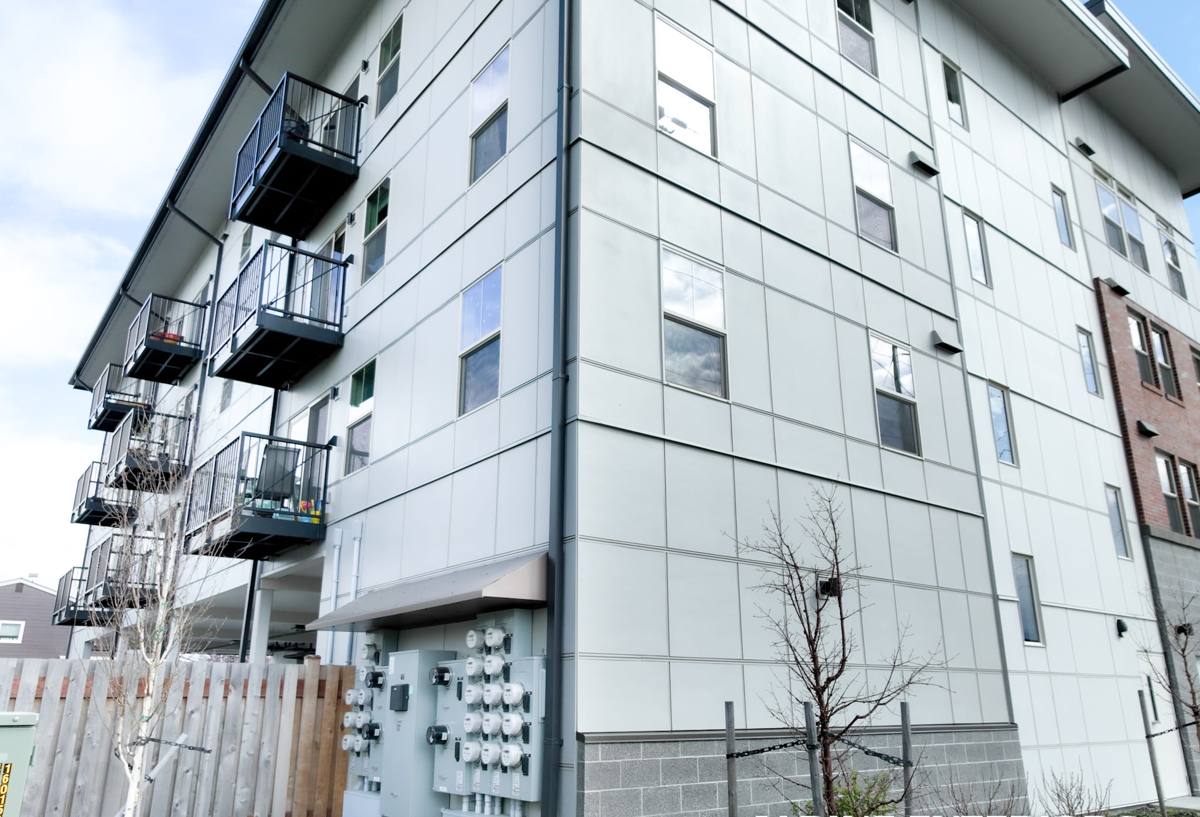
What Sudden Valley's Climate Actually Demands From Siding
Salt Air and Corrosion
Even a few miles inland from saltwater, airborne salt accelerates corrosion on any exposed metal — nail heads, flashing, trim fasteners. Over years, corroding fasteners loosen, streak the finish, and eventually let water past the siding plane entirely. The fix isn't a thicker board; it's using the right fastener material and finish system, and making sure every fastener is actually covered or sealed instead of left exposed to the weather.
Driving Rain and Wind-Driven Moisture
Whatcom County storms don't always fall straight down. Wind pushes rain sideways into laps, corners, and penetrations — the places where a sloppy install shows up first. Correct lap exposure, properly lapped and sealed flashing, and a functioning drainage plane behind the siding matter more here than in a calmer climate, because the water is actively being pushed toward every gap in the system.
Shade, Moisture, and a Long Moss Season
Tree-covered, sloped lots hold shade and moisture on north- and west-facing walls for much of the year. That extended damp period is what lets moss and algae establish on a wall surface. Siding that can't shed water quickly, or that has a factory finish prone to holding grime, will show green and black staining years before a properly finished, properly installed product will.
Why Fiber Cement Is the Right Material Here
Fiber cement is cement, sand, and cellulose fiber pressed and cured into a dense, stable board. It doesn't rot, it isn't a food source for insects, and it doesn't expand and contract with moisture the way wood does. That last point matters as much as any other for this climate: wood siding movement is what opens up the hairline gaps at laps and joints where wind-driven rain gets in. Fiber cement holds its dimension through wet Whatcom County winters and never entirely dry summers alike.
We install James Hardie fiber cement exclusively. We don't install vinyl, LP SmartSide, primed wood, cedar, or other fiber cement brands like Allura or Cemplank. That's a deliberate standard, not a lack of options. Hardie's ColorPlus factory finish is baked on and warranted against fading and peeling in a way field-applied paint systems aren't, which matters directly here — a finish that holds up chemically also sheds grime and moss growth better over time than a finish that's already chalking. Hardie also engineers regional product lines (HZ5 and HZ10) specifically for climate zones, which is relevant to a marine, high-moisture county like ours.
HardieZone HZ5 vs. HZ10 for This Area
James Hardie makes climate-specific versions of its lap siding, panel, and trim products. The differences aren't cosmetic — they affect moisture resistance and long-term performance.
| Factor | HZ5 | HZ10 |
|---|---|---|
| Designed for | Cold, wet, freeze-thaw climates | Hot, humid, high-moisture climates |
| Typical fit for Whatcom County | Standard choice | Not typically needed here |
| Moisture management | Engineered for prolonged damp and freeze cycles | Engineered for heat and humidity exposure |
| What we install | HZ5 as the default for Sudden Valley homes | Reserved for climates we don't work in |
For a Sudden Valley project, HZ5 is the correct baseline. The engineering assumes exactly the conditions this area produces: sustained dampness, cool temperatures, and the freeze-thaw swings that a Whatcom County winter delivers.
What a Correct Installation Involves
Fiber cement performs only as well as the install behind it. The board itself is not the whole system — flashing, fastening, gapping, and finish work determine whether it holds up for decades or fails early. A correct job for this climate includes:
- A drainage plane and weather-resistive barrier installed and lapped correctly behind the siding, so any moisture that gets past the surface has somewhere to go
- Corrosion-resistant fasteners, set to Hardie's specified depth and pattern — not overdriven, not underdriven
- Properly flashed windows, doors, and penetrations, since these are the highest-risk points for wind-driven rain intrusion
- Correct lap exposure and butt joint treatment, including sealing or flashing at every joint per manufacturer spec
- Factory-applied ColorPlus finish wherever possible, rather than field-painted cut edges left exposed
- Proper clearance from grade, decks, and roof lines so splashback and runoff don't sit against the bottom course
- Caulking and sealant only where Hardie's installation instructions call for it — over-caulking traps moisture just as badly as under-caulking
Skipping or rushing any one of these doesn't fail immediately. It fails in year four or five, as a stain, a soft spot, or a loose board — usually right when a homeowner assumed fiber cement meant "no maintenance, no worries."
Our Process for a Sudden Valley Project
1. On-Site Assessment
We walk the home, note existing moisture damage, shaded and exposed elevations, and any trim or flashing conditions that need attention before new siding goes on. Covering up an existing moisture problem is one of the most common ways a siding job goes wrong.
2. Product and Color Plan
We spec HZ5 lap siding, panel, or shingle profiles based on the home's style, and walk through ColorPlus color options with attention to how each performs against grime and moss over time on shaded elevations.
3. Tear-Off and Substrate Check
Old siding comes off, and we inspect sheathing for rot or damage before anything new goes up. Any compromised substrate gets repaired — new siding over bad sheathing just hides the problem.
4. Weather Barrier and Flashing
House wrap or building paper goes on correctly lapped, with flashing detailed at every window, door, and penetration before the first course of siding is hung.
5. Installation to Manufacturer Spec
Fastening, gapping, and lap exposure follow James Hardie's published installation instructions, not shortcuts. This is also where fastener choice and depth get enforced, since that's a common point where lower-cost crews cut corners.
6. Final Walkthrough
We inspect the finished job with the homeowner, checking caulking, trim, and touch-up work before calling it done.
What Fiber Cement Siding Costs to Do Right
Every home is different, and final numbers depend on square footage, home shape, number of stories, trim complexity, and how much tear-off and repair the existing wall needs. In general terms, the factors that move the price are:
| Cost Factor | Why It Matters |
|---|---|
| Home size and shape | More corners, dormers, and cutouts mean more labor per square foot |
| Existing wall condition | Rotten sheathing or hidden moisture damage adds repair scope before new siding goes on |
| Siding profile | Lap, panel, and shingle profiles install differently and price differently |
| Trim and detail work | Window/door casing, fascia, and corner detailing add labor time |
| Story height and access | Second-story and steep-lot homes require more staging and safety setup |
We'd rather walk your specific home and give you real numbers than quote a per-square-foot figure that doesn't hold up once we're actually on the wall.
Living With Fiber Cement Siding Here
Once it's installed correctly, a Hardie fiber cement system asks for very little. It won't rot, it resists moss and algae far better than wood, and the ColorPlus finish is warranted against fading and chipping. That said, "low-maintenance" isn't "no-maintenance" anywhere in western Washington. An occasional gentle rinse on shaded, moss-prone elevations, keeping gutters clear so runoff doesn't sheet down the wall, and a periodic look at caulking around windows and trim will keep the system performing the way it's designed to. That's a fraction of the upkeep wood or vinyl siding demands in this same climate.
Why a Crew That Already Works Sudden Valley Matters
Installation quality is what actually determines whether fiber cement lives up to its reputation. A crew that already works homes in this part of Whatcom County has already seen how the wind hits certain elevations, how shaded walls hold moisture longer, and where flashing details tend to get missed by crews used to a drier climate. That local pattern recognition doesn't show up on a brochure, but it shows up in whether your siding is still tight and clean in year fifteen.
If you're weighing fiber cement siding for a home in the Sudden Valley area, we're happy to walk the property, look at your specific exposure and trim details, and give you a straightforward, no-pressure estimate. There's no obligation — just a clear look at what your home needs and what it would take to do the job right.