 Ferndale
 Board & Batten Siding in Sudden Valley: A Look Worth Doing Right
Board and batten has become one of the most requested siding styles in the Sudden Valley area, and it's easy to see why. The vertical lines read as clean and modern on newer builds, but the style also has deep roots in Pacific Northwest farmhouse and cabin architecture, which makes it a natural fit for homes tucked against the tree line or set on sloped, wooded lots common in this part of Whatcom County. It's a distinctive look — but board and batten is also one of the least forgiving siding styles to install poorly, because every seam, joint, and batten line is a potential path for water if the details underneath aren't handled correctly.
That's the part homeowners don't always see when they're shopping for board and batten. The visual result is simple: wide flat panels with narrow strips covering the seams. What's happening behind those boards — the water-resistive barrier, the drainage gap, the flashing at every horizontal break — is what determines whether that siding is still doing its job in fifteen years or quietly rotting the sheathing behind it.
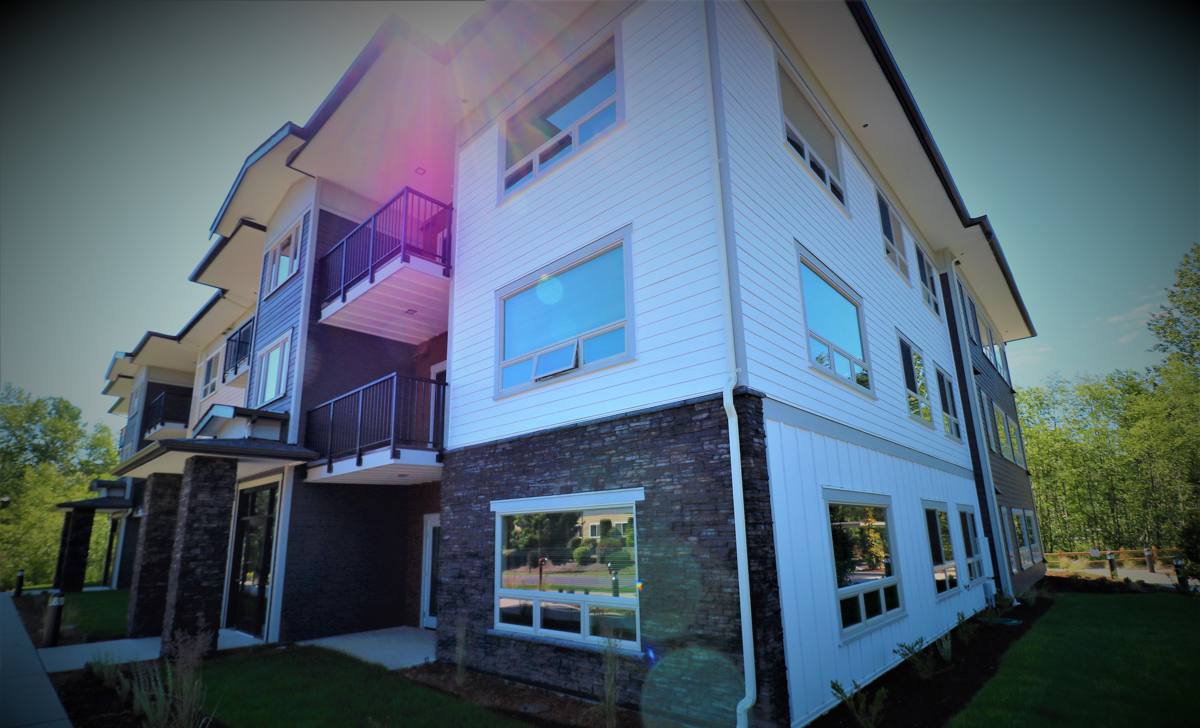
What Whatcom County Weather Does to Vertical Siding
Sudden Valley sits in a climate that's tougher on exterior materials than most homeowners realize until something starts failing. Three factors matter most for board and batten specifically:
Salt Air
Proximity to Puget Sound and the Strait of Georgia means airborne salt is a real factor for siding fasteners and hardware throughout this part of Washington. Salt-laden moisture accelerates corrosion in standard fasteners and trim hardware, and once a fastener starts to rust, it can bleed staining down the face of a board or lose its grip entirely. Board and batten has more exposed vertical fastening than lap siding in some installation methods, so fastener selection and placement matter more here, not less.
Driving Rain
Storms coming off the water don't just fall straight down — wind-driven rain gets pushed sideways into wall assemblies, and vertical board and batten has long, continuous seam lines running top to bottom that can funnel water if they aren't shedding it correctly. A vertical seam that isn't backed by a proper drainage plane doesn't just get wet on the surface; it can wick water inward at every batten strip.
Moss Season
Whatcom County's long wet season, shaded lots, and tree cover common around Sudden Valley all add up to extended periods where siding simply doesn't dry out. Moss, algae, and mildew take hold fastest on north-facing walls and anywhere board and batten sits close to landscaping or under tree canopy. Untreated or poorly finished wood-based products can hold that moisture against the substrate for weeks at a time.
None of these three factors are unique to board and batten, but the style's long vertical seams and exposed fastening make it noticeably less tolerant of shortcuts than horizontal lap siding.
What a Correct Board & Batten Installation Actually Involves
A board and batten job that's done right looks almost the same from the curb as one that's cutting corners — the difference is entirely in what's underneath. Here's what we consider non-negotiable on every installation:
- A continuous water-resistive barrier installed and lapped correctly behind the panels, with no gaps at penetrations or transitions.
- A rain screen drainage gap between the WRB and the siding panel, so any moisture that does get behind the boards has somewhere to drain and dry rather than sitting against the sheathing.
- Flashing at every horizontal transition — window and door heads, band boards, roof-to-wall intersections — engineered to shed water outward, not depend on caulk to stay dry.
- Correct fastener type, length, and spacing matched to the panel manufacturer's specifications, driven into structural framing, not just sheathing.
- Batten spacing and fastening that allows for material movement without splitting the panel underneath or trapping water at the seam.
- Factory-finished material wherever possible, so the color and sealer are baked on in a controlled environment rather than relying on field-applied paint or stain to hold up against the weather described above.
Any one of these steps skipped can look fine for a year or two. The failures show up later — usually as staining, soft spots at the bottom of boards, or paint that's peeling from the inside out rather than the outside in.
Why We Install James Hardie Board & Batten and Nothing Else
We install James Hardie fiber cement exclusively — we don't offer vinyl, LP SmartSide, primed spruce, cedar, or other fiber cement brands, even though all of them are available on the market and some homeowners specifically ask about them. That's a deliberate standard, not a limitation of what we know how to install.
Fiber cement in a board and batten profile gives us a non-combustible product that doesn't absorb water the way wood-based panels can, and it holds a factory ColorPlus finish that's engineered to resist fading, cracking, and moisture intrusion far longer than field-applied paint. In a climate with the salt exposure, driving rain, and extended damp season Whatcom County sees, that combination matters more for board and batten than for almost any other siding profile, simply because of how much seam length and exposed fastening the style involves.
How the Materials Compare
| Material | Moisture Behavior | Finish Durability | Long-Term Maintenance |
|---|---|---|---|
| James Hardie Fiber Cement | Does not swell, rot, or absorb water like wood-based panels | Factory ColorPlus finish, engineered for the region | Occasional washing; no repainting on typical cycle |
| Primed Wood / Cedar | Absorbs moisture; prone to swelling and rot without vigilant upkeep | Field-applied paint or stain, wears unevenly | Regular repainting/staining and moisture inspection |
| LP SmartSide (engineered wood) | Treated to resist moisture but still wood-based at the core | Factory or field finish depending on product | Manufacturer maintenance requirements to preserve warranty |
| Vinyl Board & Batten | Doesn't absorb water but can trap moisture behind it if not vented properly | Color molded through material; can fade and become brittle | Low, but limited repair options if damaged |
We're not going to tell you the alternatives are junk — LP SmartSide and quality cedar both have real advocates, and vinyl has its place in lower-exposure applications. What we will say is that after years of installing and repairing siding in this exact climate, fiber cement is the only material we're willing to put our name behind for board and batten work, and it's the only one we install.
Our Process, From Estimate to Finished Wall
- On-site assessment. We walk the exterior, check existing siding and trim condition, and look for signs of moisture already behind the wall assembly.
- Tear-off and sheathing inspection. Removing the old siding lets us actually see the sheathing. If there's rot or water damage, we address it before anything new goes on — covering a wet wall with new siding just hides the problem.
- Weather barrier and rain screen installation. This is the step that determines how the wall performs for the next several decades, and it's the one that's easiest to shortcut and hardest to inspect after the fact.
- Panel and batten installation to manufacturer spec, with attention to fastener placement and spacing for material movement.
- Flashing and trim detail work at every window, door, and transition.
- Final walkthrough with the homeowner before we consider the job finished.
Signs Your Current Board & Batten Siding Needs Attention
- Soft or spongy boards, especially near the bottom edge or around window trim
- Persistent staining running down from fasteners or seams
- Moss or algae buildup that returns quickly after cleaning, particularly on shaded or north-facing walls
- Paint that's peeling, bubbling, or flaking from underneath rather than just fading
- Visible gaps opening up at batten strips or panel seams
- Noticeably higher heating bills, which can point to moisture-compromised insulation behind failing siding
If you're seeing more than one of these, it's worth having the wall assembly looked at rather than just the surface — board and batten problems tend to start behind the boards long before they're visible from the yard.
Why Local Experience in the Sudden Valley Area Matters
Siding installation isn't identical everywhere, and a crew that primarily works drier inland climates will make different assumptions than one that works Whatcom County full-time. Knowing how much moss pressure a shaded, tree-lined lot near the lake typically sees, how salt exposure factors into fastener choice, and how driving rain off the water behaves against a vertical wall assembly all come from doing this work in this specific area, season after season — not from a general contractor's playbook. We work throughout Ferndale and the surrounding Whatcom County communities, and Sudden Valley's mix of wooded lots, water proximity, and PNW weather patterns is territory we know well.
Maintenance After Installation
James Hardie board and batten is low-maintenance, not no-maintenance. A rinse-down once or twice a year keeps moss and organic buildup from taking hold, especially on shaded walls. Keep an eye on caulking at trim joints over time, and keep vegetation and irrigation spray from staying in constant contact with the base of the siding. Beyond that, the factory finish is built to handle the rest of what this climate throws at it.
If your Sudden Valley home is due for new siding, or you're planning a board and batten look for a new build or major remodel, we'd be glad to take a look and walk you through what your specific home and lot will need. Reach out for a free, no-pressure estimate — there's no obligation, just an honest assessment.