 Ferndale
 Sandy Point Sits Right at the Edge of the Weather
Sandy Point is one of the more exposed pockets of Whatcom County. Sitting out on the water along the Strait of Georgia, homes here take a different kind of beating than a house tucked into town in Ferndale or set back in the trees inland. Wind comes off open water with nothing to slow it down, salt spray settles on exterior surfaces year-round, and the long Pacific Northwest wet season keeps north-facing walls and shaded siding damp for weeks at a stretch. Add in the moss that thrives in that kind of moisture, and you've got an exterior that's working harder than most siding was ever designed to handle.
None of that means siding here is doomed to fail early — it means the installation has to be done with those specific conditions in mind, not treated like a generic job. We've done enough work in Sandy Point to know which details actually matter in this location, and which ones are just for looks.
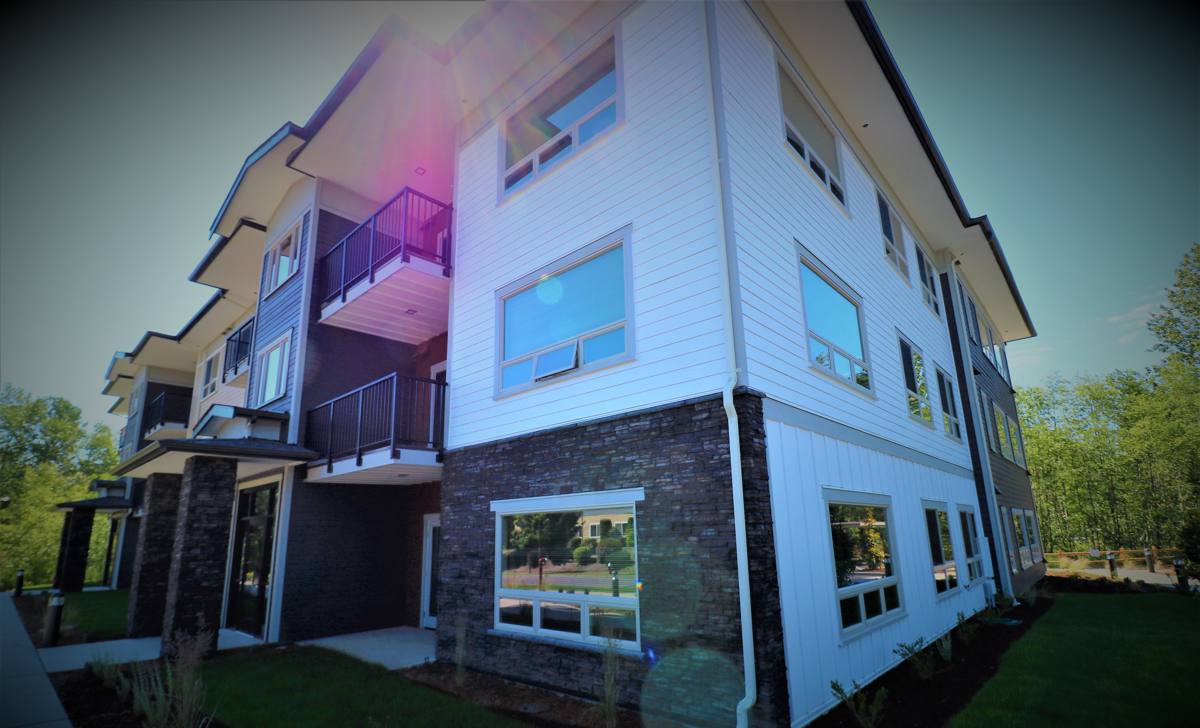
What a Correct Installation Has to Account For Here
Wind-Driven Rain
Rain that comes in sideways off the water doesn't behave like rain falling straight down. It gets pushed up under laps, into seams, and around trim if the drainage details aren't right. A correct installation includes a properly lapped weather-resistive barrier, a drainage gap behind the siding so any moisture that does get past the cladding can run down and out instead of sitting against the sheathing, and flashing at every window, door, and horizontal trim transition — not just where it's visually obvious.
Salt Air and Metal Fatigue
Salt in the air corrodes exposed metal faster than an inland install ever sees. That means fastener choice, flashing metal, and hardware all need to be selected for a marine-adjacent environment, not whatever's standard for a job twenty miles inland. Corrosion at fasteners or flashing joints is a slow leak waiting to happen, and it's one of the first things we check on any Sandy Point home that's had siding trouble in the past.
Moss and Standing Moisture
Moss doesn't just grow on roofs. Shaded walls, areas with poor airflow, and siding installed too close to grade or a deck surface all give moss and mildew a foothold. Correct clearances, functioning gutters that actually direct water away from the wall plane, and a siding material that doesn't feed organic growth all matter more here than they would on a dry, sun-exposed lot inland.
Why We Only Install James Hardie Fiber Cement
We made the decision years ago to install James Hardie fiber cement exclusively, and a waterfront community like Sandy Point is exactly the kind of setting that decision was made for. Hardie's fiber cement doesn't rot when it stays damp, it's non-combustible, and its ColorPlus factory finish is baked on under controlled conditions rather than field-applied — which means better adhesion and color retention against sun, salt, and moisture than a job-site paint job can match. Hardie also engineers specific formulations for different climate zones, so what goes on a Whatcom County home is built for the wet, moderate Pacific Northwest rather than a one-size-fits-all national product.
We get asked fairly often why we don't offer vinyl, cedar, or engineered wood alternatives. It's not that those products are worthless — it's that each one has a real trade-off that shows up faster in a place like Sandy Point than it would somewhere drier and more sheltered. Vinyl can warp or become brittle with temperature swings and doesn't hold up well against long-term UV and salt exposure. Cedar and other untreated wood need consistent refinishing to keep moisture and moss from taking hold, which is a tough maintenance cycle to keep up with on a wet, wind-exposed lot. Engineered wood products are sensitive to moisture at cut edges and seams, which is exactly where wind-driven rain likes to find a way in. We'd rather install one product correctly, matched to this climate, than offer several and let homeowners find out the hard way which one wasn't right for their lot.
How the Main Siding Options Compare in a Waterfront Climate
| Factor | James Hardie Fiber Cement | Vinyl | Cedar / Untreated Wood | Engineered Wood (LP-style) |
|---|---|---|---|---|
| Salt air / corrosion resistance | Strong — non-organic, factory-sealed | Moderate — can fade and become brittle over time | Weak without frequent refinishing | Moderate — vulnerable at cut edges |
| Moisture / moss resistance | Strong when installed with proper drainage details | Doesn't feed moss but seams can trap moisture | Weak — organic material, prone to rot and moss | Moderate — moisture at seams is the main failure point |
| Fire resistance | Non-combustible | Combustible, can melt/deform near heat | Combustible | Combustible |
| Ongoing maintenance | Low — factory finish, occasional wash and caulk check | Low, but repairs and color-matching can be difficult | High — regular sealing/painting required | Moderate — seam and paint upkeep |
| Expected performance when installed to spec | Decades, with strong transferable warranty | Variable, shorter in harsh coastal exposure | Shortest without diligent upkeep | Shorter in high-moisture climates |
Our Installation Process
Every Sandy Point job follows the same disciplined sequence — the specifics of trim and detailing get adjusted for the exposure, but we don't skip steps because a house "just needs the old stuff swapped out."
- On-site assessment and measurement, including a look at how the home is oriented relative to wind and water exposure
- Careful removal of existing siding, with an inspection of the sheathing and framing underneath for moisture damage that may have built up over time
- Repair of any compromised sheathing or framing before new material goes on — covering over hidden rot is never an option
- Installation or verification of a properly lapped weather-resistive barrier and a drainage gap behind the new siding
- Flashing at every window, door, and horizontal trim transition, using corrosion-resistant materials appropriate for salt air exposure
- Installation of James Hardie panels or lap siding to manufacturer fastening specifications, with correct clearances from grade, decks, and roof lines
- Caulking and detail work at seams and cut edges, since the factory ColorPlus finish means no field-painting is needed on the field of the siding itself
- Final walk-through and site cleanup
Cost Factors Specific to Sandy Point Homes
Every home is priced individually after a walkthrough, but a few things tend to move the number more in a waterfront setting than they would on a typical inland Ferndale home.
| Factor | Why It Matters Here |
|---|---|
| Sheathing condition | Long-term moisture exposure can mean hidden repair work is needed before new siding goes on |
| Home size and wall complexity | More corners, trim, and transitions mean more flashing and detail work |
| Site access | Waterfront and canal-front lots can have tighter access for material staging and equipment |
| Weather window | Scheduling around the wetter months to protect open wall assemblies during installation |
| Trim and color selection | Custom trim profiles or specialty ColorPlus finishes add to material cost |
Living With Salt Air and Moss: What Homeowners Can Expect
Correctly installed Hardie siding is low-maintenance, not no-maintenance. A little seasonal attention goes a long way toward keeping it looking and performing the way it should in this environment.
- Rinse siding periodically to remove salt film buildup, especially on walls facing the water
- Keep gutters and downspouts clear so water is actually directed away from the wall plane
- Trim back vegetation and branches that block airflow and sunlight along shaded walls
- Inspect caulking at trim and penetrations annually and touch up any gaps before the wet season
- Watch north-facing and shaded sections for early moss growth and address it before it spreads
- Keep an eye on grade and landscaping so soil or mulch doesn't build up against the bottom edge of the siding
Why Hiring a Crew That Already Works Sandy Point Matters
A siding crew that's only worked drier, inland jobs doesn't always think about drainage gaps, fastener corrosion, or moss-prone clearances the same way a crew that works this exposure regularly does. We've installed siding on enough Sandy Point and Whatcom County waterfront homes to know which details fail first out here, and we build every installation around avoiding those failure points from the start — not discovering them after a callback.
There's also a practical side to it: waterfront lots can come with tighter access, weather-dependent scheduling, and sometimes community guidelines to work around. A crew that's already familiar with the area moves through those logistics without it turning into a delay or a surprise on your invoice.
Get an Estimate for Your Sandy Point Home
If you're planning a siding project on a Sandy Point home, we're glad to come take a look, walk the exterior with you, and talk through what your specific lot and exposure actually need. There's no pressure and no obligation — just a straight assessment from a crew that installs one product, does it correctly, and already knows this stretch of Whatcom County. Reach out using the form below for a free estimate.