 Ferndale
 Semiahmoo Sits Right at the Edge of the Weather
Homes in and around Semiahmoo take a different kind of beating than a house set back in the trees a few miles inland. Being close to the water means more direct exposure to salt-laden air, wind-driven rain, and the kind of persistent damp that never quite lets a wall system dry out between storms. Add in Whatcom County's long, gray moss season and you have a combination that ages ordinary siding faster than most homeowners expect. This page covers what siding replacement actually needs to accomplish for a home in this setting, what correct installation looks like, and why our crew — already familiar with Semiahmoo's specific exposure — is worth talking to before you commit to a product or a contractor.
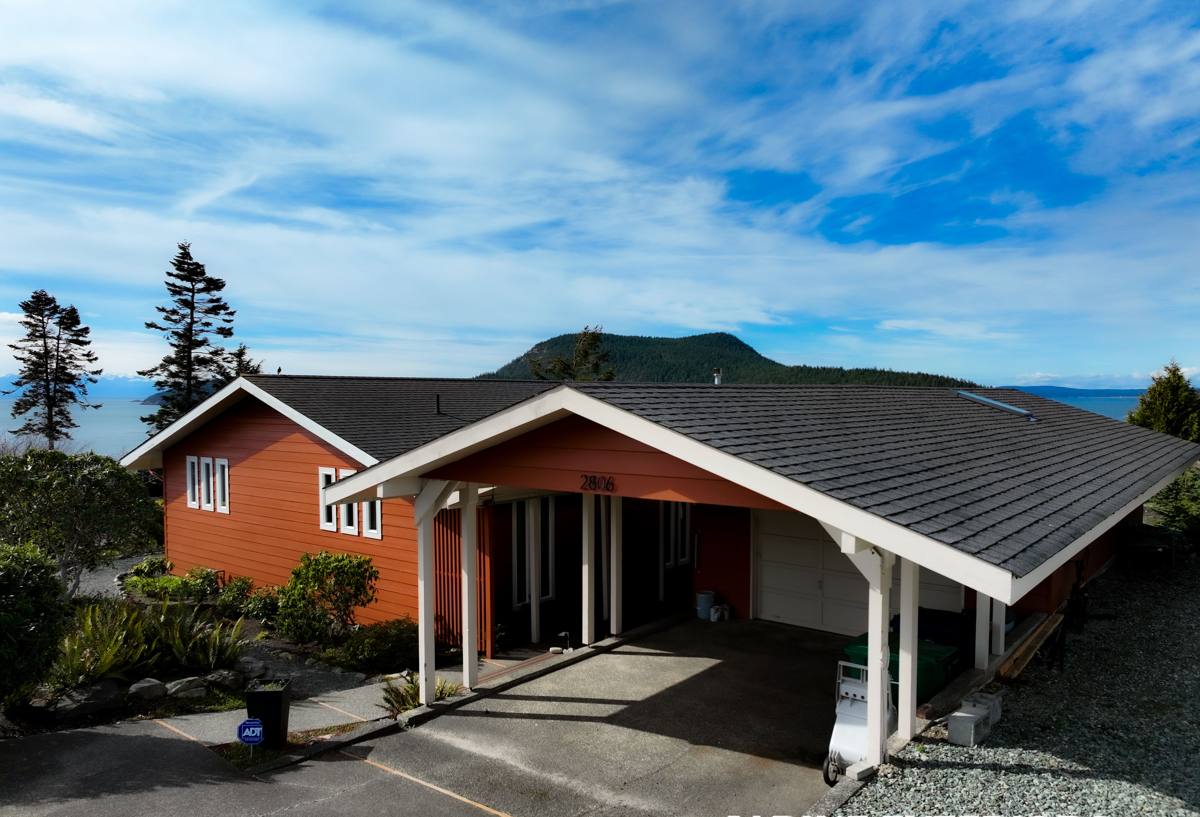
What Salt Air and Coastal Exposure Actually Do to Siding
Salt air isn't just an inconvenience — it's chemically active. Airborne salt accelerates corrosion on any exposed metal fastener, flashing, or trim, and it can degrade certain paint and coating systems faster than the manufacturer's published service life would suggest. Combine that with near-constant humidity and you get a wall assembly that's under more stress, more often, than the same house would face a few miles inland.
Where This Shows Up First
- Fastener heads and trim corners bleeding rust stains down the face of the siding
- Caulk joints failing early, letting wind-driven rain track behind panels
- Paint chalking, fading, or peeling well ahead of schedule on sun-and-salt-exposed elevations
- Persistent green-black moss and algae staining on north- and west-facing walls
- Soft or swelling spots at butt joints and bottom courses where moisture collects
None of this means a house near the water is doomed to constant siding trouble. It means the siding material, the fasteners, the flashing details, and the finish all have to be chosen and installed with that exposure in mind — not treated the same as a build twenty miles inland.
Signs a Semiahmoo Home Needs Siding Replacement, Not Just Repair
Repair makes sense for isolated damage — a cracked panel, a section hit by a falling branch. Replacement becomes the honest answer once the problems are systemic. Here's the checklist we actually use when we walk a property:
- Soft, spongy, or delaminating siding when pressed by hand, especially near the bottom of walls
- Visible warping, buckling, or gaps between panels that weren't there a few years ago
- Paint failure across multiple elevations rather than one isolated spot
- Moss and algae that return within weeks of cleaning, no matter how thoroughly it's washed
- Musty smell or interior staining near exterior walls, suggesting moisture is getting past the cladding
- Fastener corrosion or trim rust that keeps recurring after spot repairs
- Siding that's simply past its realistic service life for this climate, even if it "looks okay" from the street
If a home is showing two or three of these at once, patch repairs tend to be a short-term fix on a long-term problem. That's usually when full replacement starts making financial sense.
Why We Install Only James Hardie Fiber Cement
We made a deliberate decision to stop installing vinyl, LP SmartSide, primed spruce, cedar, and other fiber cement brands, and install James Hardie exclusively. In a marine-influenced climate like Semiahmoo's, the reasoning holds up:
- Non-combustible core. Fiber cement doesn't feed a fire the way wood-based products can, which matters for insurance considerations and long-term peace of mind.
- Moisture-resistant composition. Hardie's fiber cement doesn't absorb and swell the way wood-based composite siding can when it's exposed to prolonged damp — a real factor this close to the water.
- Climate-engineered HZ product lines. Hardie manufactures specific formulations for different climate zones, including versions built for wetter, humidity-heavy regions like ours — it's not a one-size-fits-all product.
- ColorPlus factory finish. The baked-on finish is more consistent and better bonded than field-applied paint, and it's engineered to resist fading and chalking better than most site-applied coatings, which matters when UV and salt are both working against the finish.
- Strong transferable warranty. Hardie backs its products with a warranty that can transfer to a new owner, which matters for resale in a market where buyers are increasingly asking what the siding is and when it was replaced.
We're not going to claim other products are junk — vinyl and engineered wood sidings have legitimate uses and loyal installers. But for the specific combination of salt exposure, rain, and moss pressure that Semiahmoo homes deal with, we decided fiber cement done right was the only product we were comfortable standing behind long-term.
What a Correct Siding Replacement Job Actually Involves
The material is only part of the equation. A lot of siding failures we get called out to inspect aren't product failures — they're installation failures. Correct replacement in this climate means paying attention to details that don't show up in a driveway estimate.
Tear-Off and Sheathing Inspection
Full removal of the old siding lets us actually see the sheathing underneath — something a re-side-over-existing job never allows. Any soft, water-damaged, or rotted sheathing gets identified and addressed before anything new goes up. Skipping this step just buries an existing problem under new material.
Weather-Resistive Barrier and Flashing
A correctly lapped weather-resistive barrier, properly integrated window and door flashing, and correct kick-out flashing at roof-to-wall intersections are what actually keep water out — the siding itself is the second line of defense, not the first. This is the part of the job that's invisible once it's done, and it's also the part most likely to be rushed on a low-bid job.
Fastening and Clearances
Fastener spacing, type, and corrosion resistance matter more here than in a drier inland location. So does maintaining proper clearance between the bottom of the siding and grade, decks, and roof lines — tight clearances trap moisture and accelerate exactly the kind of deterioration salt air and rain already encourage.
Joint and Caulk Detailing
Butt joints, corners, and penetrations need to be sealed correctly with products rated for the exposure, not just caulked wherever it looks tidy. Poor joint work is one of the most common causes of early moisture intrusion we find on homes we're asked to re-side.
Our Process for Semiahmoo-Area Projects
- Walk-through and assessment. We look at current siding condition, sheathing risk areas, moisture history, and sun/wind exposure specific to the property's orientation.
- Product and color selection. We go over Hardie's plank, panel, and shingle options along with ColorPlus color choices suited to the home and its exposure.
- Written estimate. Clear scope, materials, and timeline — no vague allowances that turn into surprise add-ons later.
- Tear-off and sheathing check. Full removal, inspection, and repair of any compromised sheathing before new material goes up.
- Barrier, flashing, and installation. Installed to Hardie's published specifications, not shortcuts, with attention to the fastening and clearance details covered above.
- Final walkthrough. We go over the finished work with the homeowner before calling the job done.
Cost Factors for Siding Replacement Near Semiahmoo
Every home is different, but these are the variables that most often move the price up or down. We don't quote broad numbers here because siding replacement cost depends heavily on the specifics of the house — this table is meant to help you understand what drives the estimate, not to substitute for one.
| Factor | Why It Matters |
|---|---|
| Sheathing condition | Water-damaged sheathing found during tear-off adds repair scope before new siding can go on |
| Home size and wall complexity | More corners, dormers, and elevation changes mean more cutting, flashing, and labor time |
| Siding profile chosen | Lap plank, shingle-style, and panel systems differ in material and labor cost |
| Trim and accessory scope | Corner boards, window trim, and fascia work are often bundled into a full replacement |
| Access and site conditions | Waterfront lots, tight setbacks, or difficult grading can affect staging and labor time |
| Existing siding removal | Multiple layers of old material or asbestos-era products can add disposal and labor cost |
Why a Crew That Already Works Semiahmoo Matters
Coastal and waterfront properties often come with their own rhythm — narrower access, wind considerations during install, and homeowners who've already dealt with a contractor who didn't fully account for the exposure before quoting the job. A crew that's already worked in this specific setting knows to plan fastener and flashing details for the exposure from the start, rather than treating it as an afterthought once problems show up. That familiarity translates into fewer surprises mid-project and a finished job that's actually built for where the house sits, not for an average inland home.
Maintenance After Replacement in a Coastal Climate
Correctly installed Hardie siding is low-maintenance, not no-maintenance — especially this close to the water. A little routine attention keeps it performing the way it's supposed to for the long haul.
- Rinse salt film and grime off the exterior periodically, particularly on water-facing elevations
- Keep gutters clear so overflow isn't running down the siding face
- Trim back vegetation and branches that keep walls shaded and damp, which encourages moss growth
- Check caulk joints at trim and penetrations every year or two and touch up as needed
- Address any soft spots, staining, or fastener corrosion early rather than waiting
If you're dealing with aging, failing, or moss-covered siding on a home in the Semiahmoo area, we'd rather come take an honest look than have you guess. We offer free, no-pressure estimates — use the form below and we'll get a time on the calendar.