 Ferndale
 Siding Installation in Point Roberts: A Different Kind of Job
Point Roberts sits on its own peninsula at the southern tip of a larger landmass, cut off from the rest of Whatcom County by an international border. That geography isn't just a curiosity — it shapes what a house needs from its exterior. Homes here take wind and moisture from nearly every direction, and the same water that surrounds the community also gets into siding seams, fastener holes, and trim joints if the installation isn't done right the first time. Siding installation in Point Roberts isn't a smaller version of a mainland Ferndale job. It's a coastal job, and it should be treated like one.
This page is about one service in one place: full siding installation for homes in Point Roberts. We'll cover what the local climate actually does to exterior walls, what a correct installation looks like in response, and why we install only James Hardie fiber cement — never vinyl, LP SmartSide, primed wood, or other fiber cement brands — on every home we work on here.
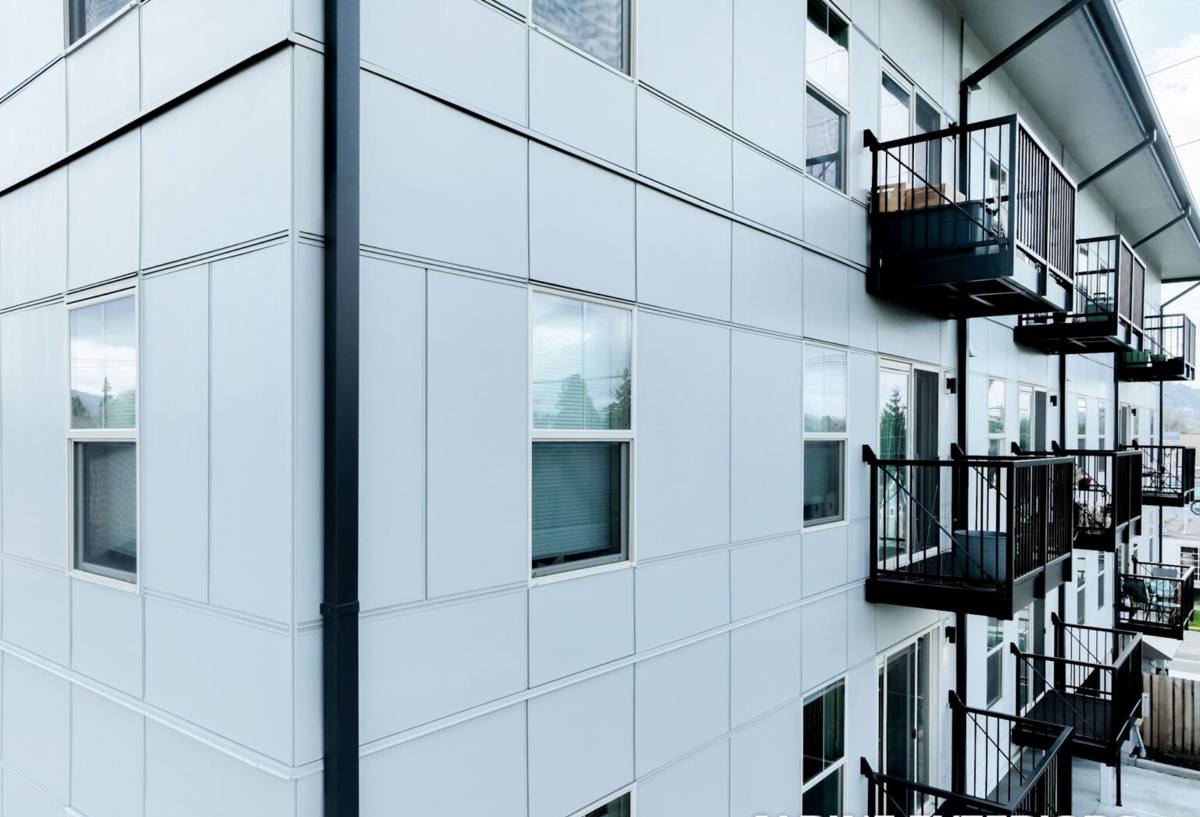
What the Point Roberts Climate Does to Siding
Three conditions define exterior wear in Point Roberts, and they compound each other over a normal Pacific Northwest year.
Salt Air
Being surrounded by marine water means airborne salt is a constant, low-level presence, even well away from the immediate shoreline. Salt is corrosive to exposed metal fasteners and trim, and it accelerates the breakdown of paint films and lower-grade siding materials over time. Products and fastening systems that aren't built with a coastal environment in mind tend to show it first in Point Roberts — chalking, fastener staining, and edge deterioration show up sooner than they would forty miles inland.
Driving Rain
Storms coming off the Strait push rain sideways, not straight down. That matters enormously for siding, because most siding failures aren't caused by water landing on a wall — they're caused by wind-driven water finding its way behind the cladding through a gap, an unsealed joint, or a poorly lapped flashing detail. A siding system that performs fine in calm rain can still fail in a wind-driven event if the water management details underneath aren't correct.
A Long Moss Season
Cool, damp, and shaded conditions for much of the year give moss and algae a long runway to establish on north-facing walls, under eaves, and anywhere air doesn't move freely across the siding surface. Beyond the cosmetic issue, sustained organic growth holds moisture against the cladding, which is exactly the condition that rots wood-based products and lifts paint on lower-quality finishes.
None of these three conditions is unusual on its own. What makes Point Roberts demanding is that a home here deals with all three at once, for most of the year, with less opportunity for a wall to fully dry out between storms than a home further from the water.
What a Correct Siding Installation Involves
A siding job that will actually hold up under these conditions is decided mostly by what happens before the first piece of cladding goes up. The visible siding is the last five percent of the work; the water management system underneath is the other ninety-five.
- Weather-resistive barrier: A continuous, correctly lapped house wrap or building paper behind the siding, with every penetration (outlets, hose bibs, vents) properly flashed and sealed.
- Rain screen gap: A drainage gap between the wrap and the siding lets any water that does get behind the cladding drain and dry out instead of sitting against the sheathing — important in a climate where walls rarely get a long dry stretch.
- Flashing at every horizontal transition: Window heads, door heads, deck ledgers, and roof-to-wall intersections are the highest-risk spots for wind-driven rain intrusion. Each needs correctly lapped, corrosion-resistant flashing, not just caulk.
- Correct fastening: Fastener type, spacing, and depth matter for both wind resistance and long-term paint film performance — over-driven or under-driven fasteners are a common cause of early siding failure.
- Sealed joints, not just painted ones: Butt joints and trim intersections need proper sealant compatible with the siding's factory finish, applied to manufacturer spec.
- Starter strip and clearances: Correct starter course alignment and ground/roof clearances keep splash-back and standing moisture away from the bottom edge of the siding.
Any of these done wrong — even with premium material on the wall — shortens the life of the installation. This is why we treat installation quality as inseparable from product choice.
Why We Install Only James Hardie
We don't install vinyl siding, LP SmartSide, Cemplank, Allura, primed spruce, or cedar. That's a deliberate standard, not a limitation of what we know how to install. Here's the honest reasoning behind it, specific to a climate like Point Roberts:
Vinyl siding expands and contracts significantly with temperature swings and can warp or crack in sustained wind exposure; its seams and panel laps aren't built to the same water-shedding standard as a properly installed fiber cement system. Wood-based products, including engineered wood siding, are more vulnerable to moisture absorption at cut edges and fastener penetrations — a real liability in a location with this much sustained dampness and moss pressure. Other fiber cement brands aren't necessarily bad products, but we've standardized on one system so our crews install it to the same spec every time, and so the warranty coverage our customers get is consistent and well-documented.
James Hardie fiber cement is non-combustible, holds its factory-applied ColorPlus finish far longer than field-applied paint on wood or engineered wood products, and is engineered in specific product lines (HZ5, for the Pacific Northwest's freeze-thaw and moisture profile) built for exactly the conditions this peninsula sees. It doesn't feed moss the way wood-based siding can, and it resists the fastener corrosion and panel distortion that salt air and wind cause in lesser materials. Paired with correct rain screen and flashing detailing, it's the system we're comfortable standing behind on a home that's going to face this climate for decades.
Comparing Siding Materials for a Coastal Whatcom County Home
| Factor | Vinyl | Wood / Engineered Wood | James Hardie Fiber Cement |
|---|---|---|---|
| Salt air resistance | Moderate; fasteners and trim can corrode | Weak; finish and edges degrade faster | Strong; factory finish and cement composition hold up well |
| Wind-driven rain performance | Panel laps can be a weak point | Vulnerable at cut edges and joints if not sealed correctly | Strong when installed with proper rain screen and flashing |
| Moss / algae resistance | Surface growth possible, easy to clean | Holds moisture, feeds organic growth | Dense composition resists moisture retention |
| Combustibility | Can soften/melt under heat exposure | Combustible | Non-combustible |
| Finish longevity | Color can fade; not repaintable easily | Requires repainting on a cycle | ColorPlus finish rated for many years before repaint needed |
Why Hiring a Crew That Already Works Point Roberts Matters
Point Roberts is logistically unlike most job sites in Whatcom County. Reaching it by land means crossing an international border, which affects everything from scheduling to how material deliveries and crew travel get coordinated on a job. A crew that hasn't worked in Point Roberts before is learning that logistics reality on your project — figuring out border timing, staging materials so a day's work isn't stalled at a crossing, and building a install schedule around weather windows that are already narrower than the mainland due to the wind exposure.
A crew that already works here has that solved. Material orders get planned so a full crew day isn't lost to logistics. Site visits, estimates, and inspections get scheduled realistically instead of optimistically. And because we've seen how this specific peninsula's exposure treats a wall, we're not guessing at flashing details or fastener choices — we're applying what consistently holds up here.
Our Installation Process
- On-site assessment: We look at your home's specific exposure — which walls take the worst wind-driven rain, where moss and moisture are already showing, and the condition of the sheathing and existing water barrier once siding comes off.
- Prep and repair: Any rot, damaged sheathing, or compromised flashing found underneath gets addressed before new siding goes on. Covering a moisture problem with new siding just delays and hides it.
- Weather barrier and rain screen installation: Correctly lapped house wrap, flashing at every penetration and transition, and a drainage gap behind the cladding.
- James Hardie installation to manufacturer spec: Correct fastener type and spacing, proper joint sealing, and factory-finish-compatible detailing throughout.
- Final inspection and walkthrough: We review the completed work with you, including care and maintenance notes specific to a marine climate.
Signs Your Point Roberts Home May Need New Siding
- Persistent moss or algae staining that returns quickly after cleaning
- Soft spots, bubbling, or visible warping, especially on north- and west-facing walls
- Rust streaking from fasteners or trim
- Cracked or gapped caulking at joints and trim that keeps reopening
- Paint that's chalking, peeling, or failing well ahead of its expected repaint cycle
- Visible daylight or drafts at siding seams from inside the home
Any one of these on its own might just need a repair. Several at once, especially on the exposed sides of the house, usually points to a water management problem underneath that a fresh installation is the right way to fix.
What to Ask Before Hiring a Siding Contractor Here
Whoever you hire, it's worth asking directly: have they worked in Point Roberts before, do they understand the border logistics involved in getting crews and materials on site, what water-resistive barrier and rain screen approach do they use, and what specific product line and warranty are they installing. Vague answers to any of those are worth pausing on before a contract is signed.
If your Point Roberts home's siding is showing wear from the salt air, wind-driven rain, or moss, we're happy to take a look. We offer free, no-pressure estimates — come out, assess the specific exposure your home faces, and give you a straight answer on what it needs.