 Ferndale
 Roof Repair in Nooksack: Built for Whatcom County Weather
A roof in Nooksack works harder than a roof almost anywhere inland. Between the salt-laden air moving in off the Salish Sea, long stretches of driving rain, and a moss season that seems to start earlier every year, this corner of Whatcom County puts steady, cumulative stress on every layer of a roofing system. Most roof problems we see out here didn't happen overnight — they built up slowly, through dozens of freeze-thaw cycles, wind-driven storms, and wet winters where a roof never really gets the chance to dry out between rain events.
That's the lens we bring to every repair call in Nooksack. We're not just patching a leak — we're figuring out why that spot failed first, so the fix actually holds through the next few winters instead of reopening in a year.
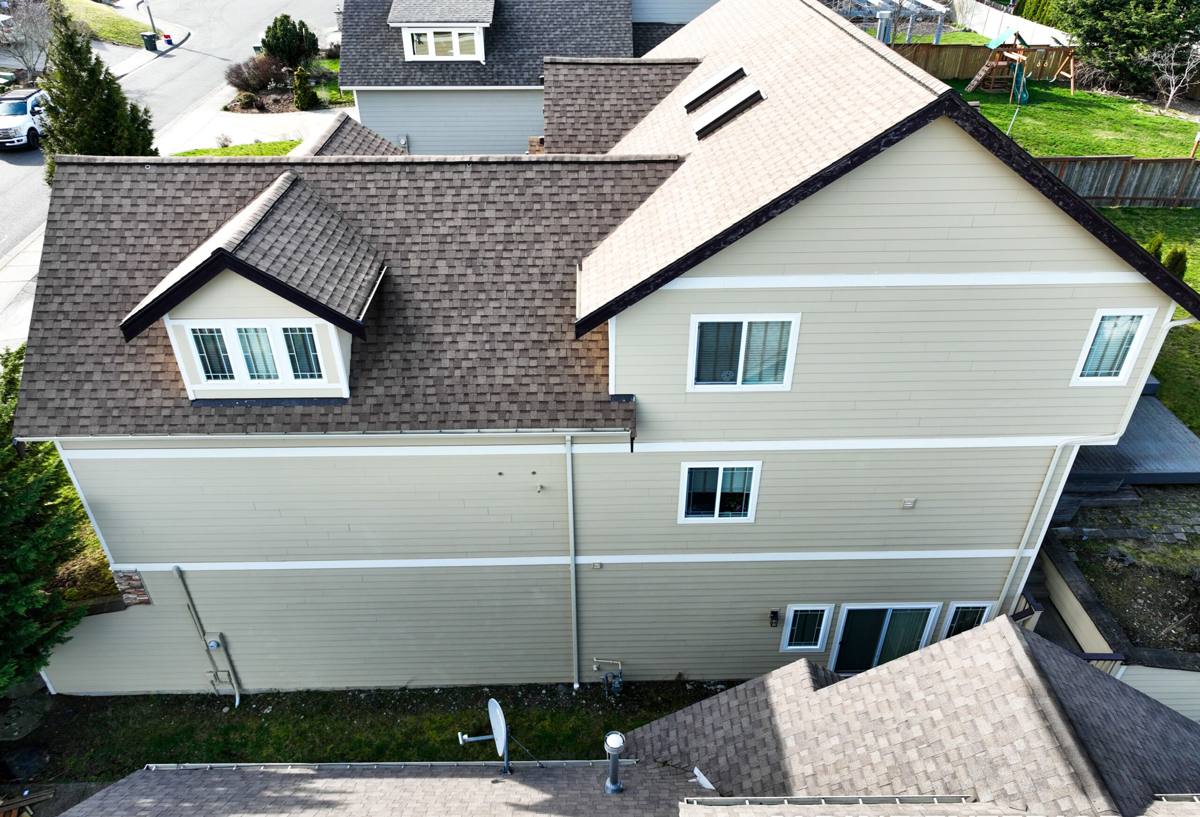
What Nooksack's Climate Does to a Roof
Salt Air and Corrosion
Homes in and around Nooksack sit close enough to marine air that metal roofing components take a real beating over time. Nails, flashing, vent boots, and gutter fasteners that aren't rated for coastal exposure can start corroding years before a homeowner notices anything wrong on the surface. Once a fastener corrodes, it loosens, and a loose fastener under a shingle or piece of flashing is exactly how water finds its way into a roof deck.
Driving Rain and Wind-Driven Water
Whatcom County doesn't just get rain — it gets rain pushed sideways by wind coming off open terrain. That matters more than people think, because a roofing system built only to shed water straight down will eventually let wind-driven rain work its way up and under shingles, around chimney flashing, or into valleys that weren't detailed tightly enough. This is one of the most common root causes of "mystery leaks" that show up well away from where the water is actually entering.
Moss and Organic Growth
Shade, moisture, and mild temperatures are a perfect recipe for moss, and Nooksack has all three for a good chunk of the year. Moss isn't just cosmetic. It holds moisture directly against roofing material, works its way under shingle tabs as it grows, and can lift edges enough to let water in during the next storm. Roofs with north-facing slopes or heavy tree cover tend to show moss and the leaks that follow it years before the rest of the roof shows its age.
Signs Your Nooksack Home Needs Roof Repair
Most roof damage out here is quiet until it isn't. These are the warning signs worth acting on before a small problem becomes a deck-replacement job:
- Dark streaks, green or black patches, or thick moss growth on shingles
- Granules collecting in gutters or at the base of downspouts
- Curling, cracked, or lifted shingle edges, especially on the roof's shaded side
- Soft or spongy spots when walking the roof or attic decking
- Water stains on interior ceilings or upper exterior walls after a storm
- Rusted, loose, or missing flashing around chimneys, skylights, or vent pipes
- Daylight visible through the roof deck from inside the attic
- Sagging in valleys or along the ridge line
Any one of these on its own doesn't mean the whole roof is failing, but it does mean water has likely found a way past a layer that's supposed to stop it.
What a Correct Roof Repair Actually Involves
Diagnosing the Real Problem
The single biggest mistake in roof repair is patching the spot where water shows up inside the house instead of finding where it's actually entering the roof. Water travels — down rafters, along sheathing seams, behind insulation — before it ever shows up as a stain on a ceiling. A repair that doesn't trace the leak back to its true entry point almost always comes back, usually in the next hard rain.
Matching Materials Correctly
Repairs need to match the existing roofing system in material, weight, and installation method — not just in color. Mixing incompatible materials, or using fasteners that aren't rated for this climate's moisture and salt exposure, creates a new weak point right next to the one you just fixed.
Flashing and Underlayment Are Where Repairs Succeed or Fail
Most leaks we trace back to their source turn out to be flashing problems, not shingle problems — chimneys, skylights, dormers, and valleys are where roofs are most likely to leak because they involve transitions between materials and directions of water flow. A repair that only replaces shingles without correcting the flashing and underlayment underneath is a temporary fix at best.
Common Roof Repairs We Handle in Nooksack
| Repair Type | Typical Cause | General Cost Range |
|---|---|---|
| Localized shingle replacement | Wind damage, aging, or moss lifting edges | Low |
| Flashing repair or replacement | Corrosion, loose fasteners, poor original install | Low to moderate |
| Valley repair | Wind-driven rain, debris buildup, worn underlayment | Moderate |
| Deck repair (rot or soft spots) | Long-term undetected leak, sustained moisture | Moderate to higher |
| Moss treatment and shingle restoration | Shade, poor drainage, infrequent maintenance | Low to moderate |
These ranges vary based on roof pitch, access, material type, and how much hidden damage is found once we open up the area — which is exactly why we look before we quote.
Our Process, Start to Finish
1. Inspection and Honest Diagnosis
We walk the roof, check the attic where accessible, and trace the leak or damage back to its actual source rather than just the visible symptom.
2. A Clear, Written Explanation
Before any work starts, we explain what's actually wrong, what caused it, and what the repair involves — in plain language, not vague line items.
3. The Repair Itself
We remove and replace only what's damaged, matching materials correctly and rebuilding flashing and underlayment details so water is shed the way the roof was designed to shed it.
4. Cleanup and Final Check
We clear debris, check surrounding areas for related wear, and confirm the repair is sound before we call the job done.
Repair vs. Replacement: How We Help You Decide
Not every roof problem in Nooksack needs a full replacement, and we're not going to tell you it does. A roof with isolated damage, a sound deck, and reasonable remaining life left in the field of shingles is usually a good repair candidate. A roof with widespread granule loss, multiple past leaks, or deck damage in more than one area is often past the point where repair makes financial sense — you'd be spending real money to extend the life of a roof that's already near the end of its service window.
We'll tell you honestly which category your roof falls into, including when a repair now is the right call and a fuller conversation about replacement can wait a few years.
Why Hire a Crew That Already Works in Nooksack
Roofing systems that hold up in drier climates don't always perform the same way here. A contractor who works this area regularly already knows which flashing details tend to fail first in coastal, moss-prone conditions, which materials handle Whatcom County's moisture load without excessive maintenance, and where wind-driven rain typically finds its way into a roof that looks fine from the ground. That local pattern recognition is the difference between a repair that's cosmetic and one that actually solves the problem.
It also means faster response. A roof leak during a heavy rain event isn't something that should wait a week for a contractor to make time in their schedule — being local to this area means we can typically get eyes on a problem quickly, before a small leak turns into deck damage or interior repair on top of the roof repair.
Moss Prevention and Roof Maintenance Between Repairs
The single best thing a Nooksack homeowner can do to reduce future repair calls is stay ahead of moss and debris rather than reacting to them. Keeping gutters and valleys clear lets water move off the roof the way it's supposed to instead of pooling and soaking into shingle edges. Trimming back overhanging branches reduces the shade and debris that feed moss growth in the first place. And a roof that gets looked at once a year — even just a visual check from the ground or a quick walk of the accessible areas — tends to catch small issues while they're still small, cheap repairs instead of after they've become deck damage or an interior leak.
Zinc or copper strips near the ridge can help slow moss regrowth on some roofing types, though they're not a substitute for periodic cleaning on a roof that already has heavy shade or a history of moss buildup.
Ready for a Straight Answer on Your Roof
If you're seeing moss, granule loss, a stain on the ceiling, or you just want a second opinion before winter, we're happy to take a look. Fill out the form below for a free, no-pressure estimate — we'll tell you honestly what we find and what it would take to fix it right.