 Ferndale
 Nooksack's Weather Is Hard on Roofs — Here's Why That Matters
Homes in and around Nooksack sit in a part of Whatcom County where weather doesn't let up for long. Rain moves through in long, soaking systems rather than quick storms, humidity lingers under tree cover and along the river valley, and the same marine air that carries salt off Bellingham Bay and the Strait of Georgia pushes inland on a regular basis. None of that is dramatic on its own, but stacked together over years, it's exactly the combination that wears out a roof from the inside out.
Asphalt shingles are built for average conditions in an average climate. Nooksack doesn't get average conditions — it gets sustained moisture, shaded roof sections that never fully dry, and a moss season that can run most of the year in the right (or wrong) exposure. A roofing material that shrugs off standing water, sheds debris instead of trapping it, and doesn't feed algae and moss growth is doing real work here, not just looking good.
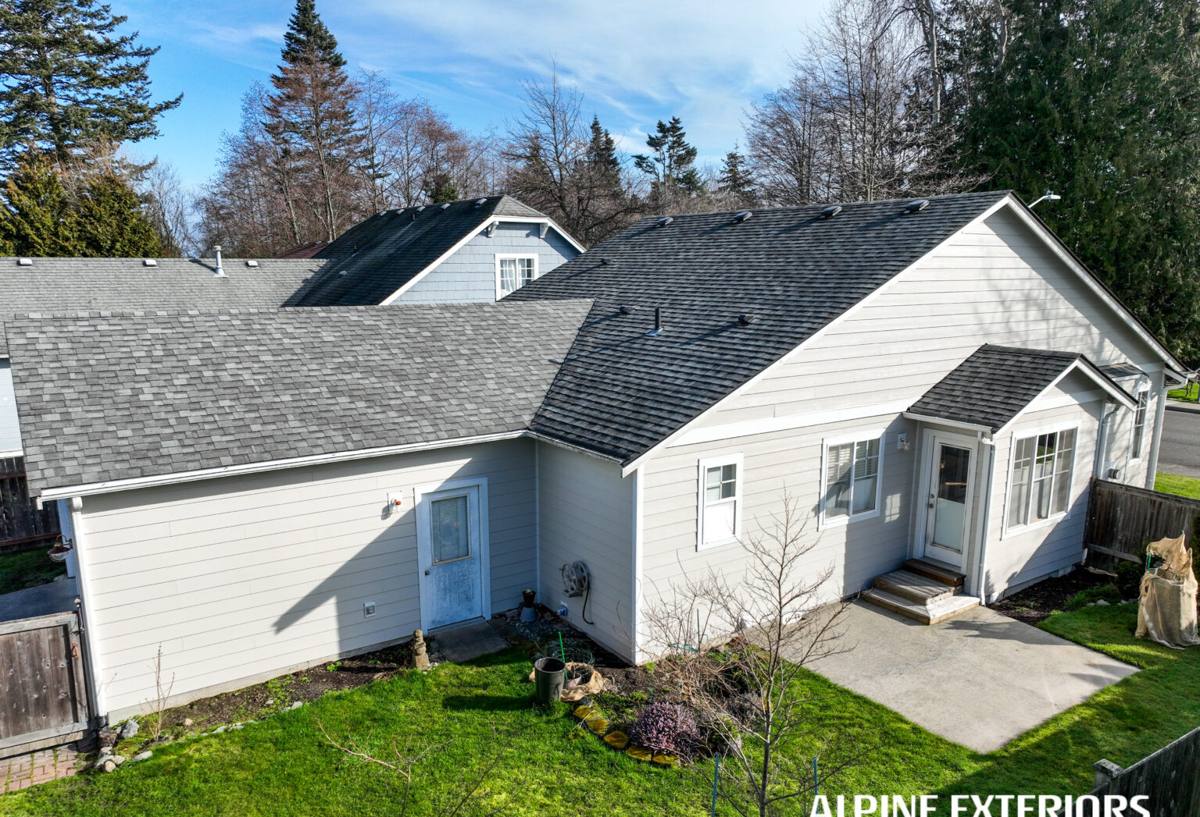
What Metal Roofing Solves That Other Materials Don't
Metal roofing earns its keep in this climate for a few specific reasons, not because it's trendy. It's a solid, non-porous surface, which means there's nothing for moss spores or algae to root into the way they can in the granule surface of asphalt shingles. Water runs off instead of soaking in, and steep or moderate pitches shed rain fast enough that it doesn't sit and work its way under the surface layer over time.
It also handles wind-driven rain better than shingle systems when it's installed correctly, because the panel seams and fastening pattern are doing the sealing work, not overlapping tabs that can lift at the edges after years of freeze-thaw and wind cycling. And it holds up structurally over a long service life without the periodic granule loss and brittleness that eventually catches up with asphalt in a wet climate.
None of that means metal is the right call for every home or every budget — it isn't. But for a property in the Nooksack area dealing with heavy tree cover, persistent moisture, or a roof that's fighting moss every year no matter how often it's cleaned, metal solves problems that shingles simply can't.
Panel Styles and Materials We Install
"Metal roofing" covers more than one product, and the right choice depends on the home, the roofline, and the budget. We walk homeowners through the real trade-offs rather than pushing one option.
| Panel Style | Look | Best Suited For | Maintenance Notes |
|---|---|---|---|
| Standing seam | Clean vertical lines, concealed fasteners | Homes wanting a modern or classic PNW look; strong water shedding on lower pitches | Very low; no exposed screws to fail over time |
| Exposed fastener (screw-down) | Ribbed, agricultural-style panels | Outbuildings, shops, budget-conscious re-roofs | Fasteners and washers need periodic inspection and occasional replacement |
| Stone-coated steel | Mimics shingle, shake, or tile profiles | Homeowners who want metal's performance with a traditional look | Low; coating is durable but panel laps still need correct installation |
Steel and aluminum both perform well here. Steel is stiffer and generally more affordable; aluminum resists corrosion a bit more inherently, which can matter on properties closer to open water where salt exposure is heavier. We'll talk through which fits your specific site rather than defaulting to one product for every job.
What a Correct Installation Actually Involves
A metal roof is only as good as what's underneath it and how it's fastened. Most of the failures we get called out to inspect trace back to shortcuts taken during installation, not a flaw in the metal itself.
Underlayment and Moisture Control
In a climate this wet, the underlayment layer matters almost as much as the panels themselves. We use synthetic or high-temp underlayment rated for the exposure the roof will actually see, with extra protection at valleys, eaves, and any low-slope transitions where water has the most time to find a way in. Skipping or downgrading this layer is one of the most common corners cut in budget metal roofing jobs, and it's the kind of mistake that doesn't show up until years later.
Flashing, Fasteners, and Ventilation
Flashing at chimneys, walls, valleys, and penetrations has to be formed and layered correctly — caulk and sealant are a backup, not the primary defense. Fasteners need to match the panel material to avoid galvanic corrosion, and they need to be set to the right torque so gaskets seal without crushing. Roof ventilation also has to be planned around the panel system so trapped moisture and heat don't build up in the attic space, which is its own slow path to rot and mold in a humid climate like this one.
Cost Factors: What Actually Drives the Price
Metal roofing costs more upfront than asphalt shingles, generally by a meaningful margin. What varies job to job is how much more, and why.
| Factor | What It Affects | Why It Matters in Nooksack |
|---|---|---|
| Panel style | Material and labor cost | Standing seam costs more than exposed-fastener panels but needs less long-term upkeep |
| Roof complexity | Labor time, waste factor | Multiple valleys, dormers, or steep pitches take more cutting and detail flashing |
| Tear-off vs. overlay | Total project scope | Wet, moss-damaged decking under old shingles often needs to be exposed and repaired |
| Ventilation upgrades | Added scope | Older homes in shaded, humid lots frequently need ventilation corrected during a re-roof |
| Access and site conditions | Labor and equipment | Tree cover and rural lot layouts common around Nooksack can affect staging and crane needs |
We give a real number after seeing the roof, not a phone estimate — pitch, decking condition, and access all move the price enough that a guess isn't useful to either of us.
Our Process for Nooksack Homeowners
The work starts with an on-site inspection, not a sales pitch. We check the decking, existing ventilation, flashing points, and moss or moisture damage before we talk products, because that's what actually determines scope. From there we walk you through panel and gauge options suited to the roof's exposure, give a written estimate, and set a realistic timeline around weather windows — we don't install metal roofing in the middle of a soaking system if we can help it, since a dry deck matters for underlayment adhesion.
During tear-off, any damaged decking gets addressed before new underlayment goes down, not covered over. Panels are installed with attention to the flashing and ventilation details covered above, and the site gets cleaned of old material and fasteners before we call the job done. We walk the finished roof with you so you know what was done and what maintenance, if any, it needs going forward.
Why a Crew That Already Works Nooksack Matters
Roofing crews that mostly work drier, more open parts of the county sometimes underestimate what moisture and moss do to a roof out here over time. A crew that regularly works Nooksack and the surrounding Ferndale area already knows how tree-shaded lots hold onto humidity, how driving rain off the Sound behaves against different roof orientations, and how a job needs to be sequenced around a wet forecast instead of fought through one.
That local pattern recognition shows up in small decisions — where extra underlayment protection is worth it, which valleys tend to collect debris and need better detailing, when a ventilation upgrade is worth raising even if it wasn't part of the original ask. It's the difference between a roof that's technically installed to code and one that's actually built for how this specific area behaves in winter.
Signs Your Current Roof Needs Attention
Most roof failures in this climate are gradual, and homeowners often live with early warning signs longer than they realize. Worth checking for:
- Moss or dark streaking that returns within months of cleaning
- Granule buildup in gutters, or bare-looking patches on shingles
- Soft or spongy spots when walking the roof or attic decking
- Daylight visible through the roof deck from inside the attic
- Rust staining or lifted panels on an existing metal roof
- Musty smell or visible mold in attic spaces, especially on the north or shaded side
- Higher heating bills that coincide with visible attic moisture or poor ventilation
Any one of these on its own isn't necessarily an emergency, but they're worth a professional look before the next wet season adds to the damage.
Is Metal Roofing Right for Your Nooksack Property?
Metal isn't automatically the right answer for every home — a well-installed shingle roof can still make sense depending on budget, roof style, and how long you plan to stay in the home. What we won't do is recommend a product because it's easier to install or more profitable for us. If your roof is fighting moss every year, sitting under heavy tree cover, or coming up on a replacement anyway, it's worth having an honest conversation about whether metal solves a problem shingles keep handing back to you.
If you're weighing options for a Nooksack-area home, we're happy to take a look and give you a straight answer, even if that answer is "shingles are fine here." Reach out for a free, no-pressure estimate using the form below.