 Ferndale
 Building New in Bellingham? Get the Windows Right the First Time
New construction is the one chance to install windows correctly before drywall, siding, and trim close everything up. Once a house is finished, fixing a bad window installation means tearing into interior and exterior finishes to get at the problem. That makes new-construction window work different from a retrofit or replacement job — the flashing, the housewrap integration, and the sequencing with your framer and siding crew all have to line up, and there's very little room for a callback later.
We install new-construction windows on homes throughout the Ferndale and Bellingham area, working directly with builders, general contractors, and owner-builders during the framing and dry-in stage. This page covers what that work actually involves here in Whatcom County, and why the local climate makes the details matter more than they might in a drier part of the country.
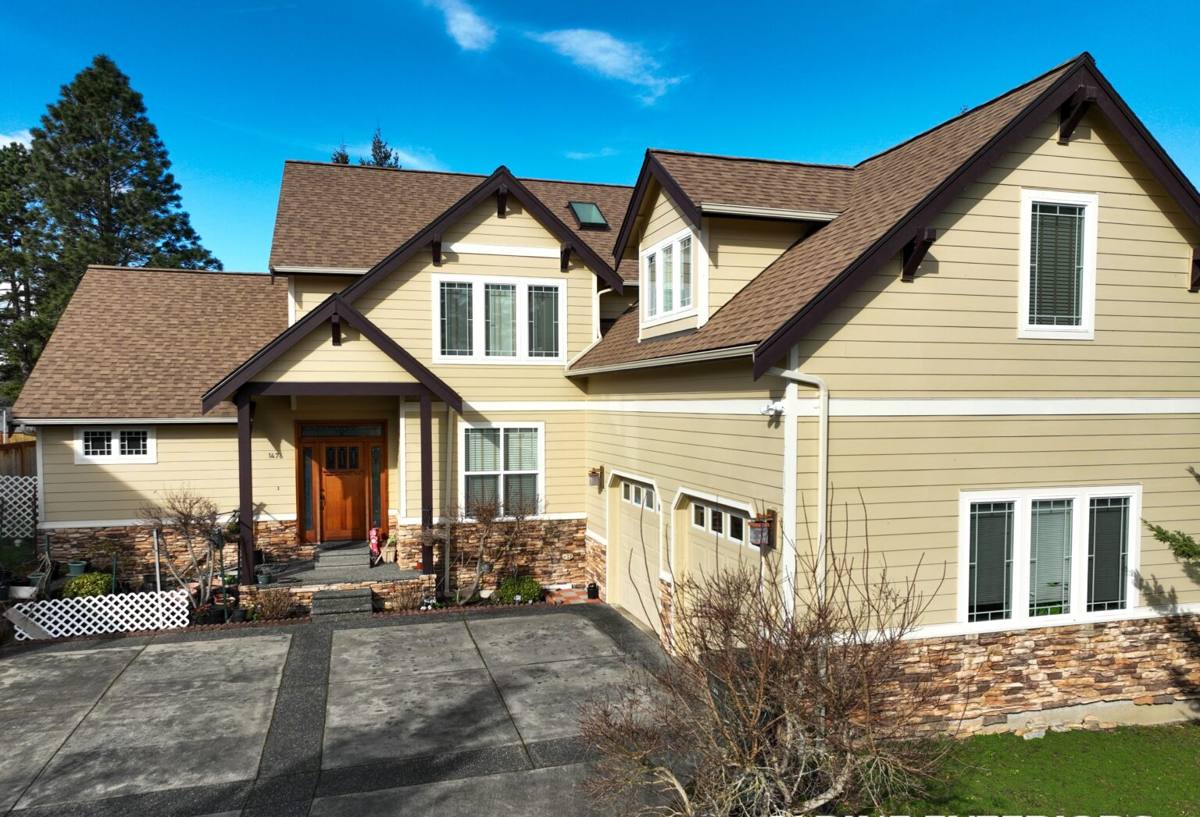
What Bellingham's Climate Asks of a New Window Installation
Homes near Bellingham sit close enough to the water that salt-laden air is a real factor for exterior hardware, cladding, and window components — not just a coastal talking point. Combine that with Whatcom County's long stretch of driving rain each fall and winter, plus the shaded, damp conditions that grow moss on roofs and siding for much of the year, and you get a building envelope that's under near-constant moisture pressure.
For new-construction windows, that means three things matter more here than in a drier climate:
- Flashing details have to shed water downward and outward, every time — wind-driven rain off the Sound can push moisture sideways and upward under poorly lapped flashing.
- Corrosion-resistant fasteners and hardware matter on homes closer to salt air, where standard-grade screws and cladding fasteners can degrade faster than they would further inland.
- Moisture-tolerant materials and details around the rough opening reduce the odds of hidden rot developing behind trim or siding years before anyone notices a problem.
None of this is exotic. It's standard best practice applied consistently, which is exactly where new-construction window jobs tend to go wrong — not because installers don't know the theory, but because a rushed schedule skips a step.
Frame Material: What Holds Up in This Climate
New construction is also the right time to think about frame material, since you're choosing from scratch rather than matching what's already there. There's no single "best" answer — it depends on budget, the look you want, and how much long-term maintenance you're willing to take on.
| Frame Material | How It Handles Local Moisture | Maintenance | Typical Fit |
|---|---|---|---|
| Vinyl | Won't rot or corrode; performs well in damp, salt-air conditions | Low — occasional cleaning | Most new builds, best value |
| Fiberglass | Very stable in temperature swings and moisture; strong long-term durability | Low | Higher-end builds, larger openings |
| Wood-clad | Interior wood look with exterior cladding, but any breach in the cladding exposes wood to our wet season | Moderate to high — cladding seams and sills need periodic inspection | Homeowners set on an interior wood appearance |
| Aluminum | Durable but conducts cold and can condense in our damp winters without a thermal break | Low, but watch for condensation | Modern designs, larger commercial-style openings |
We'll talk through these trade-offs honestly during your estimate. If you're set on a wood-clad look, we'll tell you what that means for long-term upkeep in this climate rather than just installing what's easiest to sell.
Glass Packages Worth Considering
Whatcom County doesn't see extreme summer heat, but our winters bring long stretches of damp cold and low sun angles. A dual-pane, low-E glass package is standard for new construction here and covers most homes well. If your build includes rooms with large west- or water-facing glass, it's worth discussing a solar-control low-E coating or upgraded gas fill to manage both heat loss in winter and glare or heat gain on the rare clear, bright days. Condensation resistance is also worth asking about if you're building tight and well-insulated, since a very airtight house with under-ventilated bathrooms or kitchens can put more moisture load on window glass than an older, leakier home.
Getting the Rough Opening and Flashing Right
The window unit itself is only part of the job. Most water problems in new construction trace back to how the rough opening was prepared and flashed, not to the window product. Our process on new builds follows a consistent sequence:
- Confirm rough opening dimensions and level/square before the window ever shows up on site.
- Install sill pan flashing so any water that gets past the window has a sloped path back outside, not into the wall cavity.
- Set the window plumb, level, and square, then fasten per the manufacturer's schedule — not a shortcut version of it.
- Integrate side and head flashing with the housewrap in the correct shingle-lap order, so every layer sheds water onto the layer below it.
- Seal and insulate the interior gap around the frame without over-packing it, which can bow the frame and cause operational problems later.
This sequence isn't unique to us — it's the standard approach for the trade. The difference between a good installation and a callback five years later usually comes down to whether every step was actually followed under time pressure, especially on days when the crew is racing weather to get a house dried in before the next front comes through off the Sound.
Working With Your Builder's Schedule
New-construction windows have to land at the right point in the build — after the rough opening is framed and inspected, but before siding, exterior trim, and interior finishes close it up. Come in too early and the opening may not be final; too late and you're holding up the framer, the siding crew, and everyone behind them.
When we work directly with a general contractor or builder, we coordinate window delivery and install around their framing and dry-in schedule so the house gets weathered in on time. When we work with an owner-builder managing their own trades, we'll walk through where window installation needs to sit in your sequence and flag any rough opening issues before the windows arrive, rather than after — reordering a window because an opening was off by an inch costs real time and money.
Why a Local Crew Matters for This Job
Whatcom County's building department and inspectors have their own expectations around flashing, weather-resistive barriers, and energy code compliance, and those expectations get applied at specific points in the framing and dry-in process. A crew that regularly works new construction in Ferndale and Bellingham already knows that sequence and what inspectors here are looking for at each stage, which avoids the delays that come from failed inspections or missed details.
Local experience also means we've seen how homes in this specific area actually hold up over time — which details on a house exposed to wind off the water tend to need attention first, and which corners genuinely can't be cut here even if they'd be fine somewhere drier. That's knowledge you only get by working the same climate and the same jurisdiction repeatedly, not from a general install guide.
Our New-Construction Window Process
For a typical new-construction project, our process looks like this:
- Plan review and takeoff — we review window schedules and elevations to confirm sizes, types, and quantities before ordering.
- Rough opening walkthrough — we check openings against the plan before windows arrive, catching framing discrepancies early.
- Coordinated delivery — windows arrive on site timed to your build schedule, not sitting exposed for weeks.
- Installation per manufacturer specification — flashing, fastening, and sealing done to the window manufacturer's requirements, which also protects your warranty coverage.
- Final walkthrough — we check operation, sealing, and appearance on every unit before we consider the job finished.
A Pre-Drywall Checklist for Homeowners
If you're an owner-builder or simply want to understand what to look for before your walls get closed up, ask your window installer to confirm these before drywall goes in:
- Sill pan flashing is installed under every window, sloped toward the exterior.
- Housewrap is lapped correctly over the flashing (shingle-style, water shedding downward and outward).
- Every window operates smoothly — opens, closes, and locks without binding.
- Shims and fasteners follow the manufacturer's installation instructions, not a generic approach.
- Interior gaps are insulated without over-packing, which can distort the frame.
- Exterior fasteners and hardware are rated for use in coastal or damp climates.
Living With New Windows in This Climate
Once your home is finished, a little seasonal attention keeps new windows performing the way they should. Clean tracks and weep holes a couple of times a year so they can drain properly during our wet months, check exterior caulking annually since UV and constant moisture cycling will eventually wear it down, and keep an eye on any moss or organic buildup on sills and nearby trim — moss holds moisture against surfaces longer than it needs to sit there. None of this is heavy maintenance, but skipping it in a climate like ours shortens the life of even a well-installed window.
If you're planning a new build or an addition in the Ferndale or Bellingham area and want windows installed by a crew that treats the flashing and sequencing details as non-negotiable, we're glad to walk your plans and give you a straightforward, no-pressure estimate. Use the form below to get started.