 Ferndale
 Siding Repair in Lummi Nation Has Its Own Set of Problems
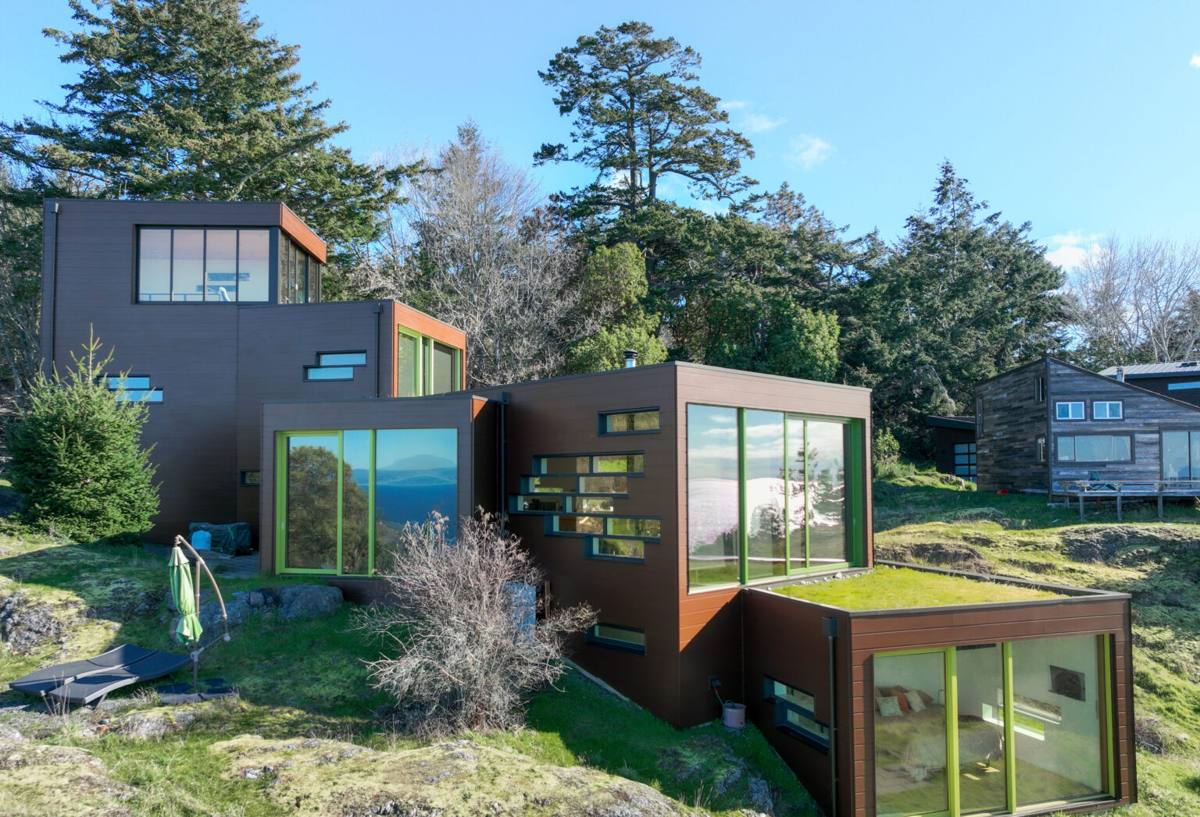
Siding repair on the Lummi Peninsula isn't quite the same job as siding repair a few miles inland. Homes here sit close to the water, exposed to salt-laden air off Bellingham Bay and the Salish Sea, and to weather systems that push driving rain sideways into walls rather than straight down onto roofs. Add a long, wet moss season under mature tree cover, and you get a specific pattern of siding failure that a contractor who mostly works dry inland neighborhoods may not recognize on sight.
We do this work throughout Ferndale and the surrounding Whatcom County shoreline communities, including Lummi Nation, and we've learned that a repair that ignores the water and salt exposure here usually fails again within a couple of seasons. This page covers what actually causes siding damage in this area, what a correct repair looks like, and how our process works.
What the Local Climate Does to Siding
Salt Air and Corrosion
Homes near saltwater deal with airborne salt that settles on exterior surfaces and accelerates corrosion of exposed metal — nails, fasteners, flashing, and trim hardware. Once fasteners start to rust and loosen, siding panels can work free, and water finds its way behind them. This is one of the most common root causes we find when a "simple" repair turns out to be more involved than it looked from the ground.
Driving, Wind-Driven Rain
Storms coming off the water don't just drop rain — they drive it horizontally into wall assemblies, especially on the windward side of a house. Siding, trim, and flashing details that would be fine in a calmer inland yard can leak here if they weren't installed with wind-driven rain in mind. This is why the same style of siding can perform very differently a few miles apart in Whatcom County.
Moss, Algae, and a Long Wet Season
Shaded lots, tree cover, and our extended damp season give moss and algae a long runway to establish themselves on siding, trim, and butt joints. Beyond the cosmetic staining, moss holds moisture against the surface far longer than open air would, which softens wood-based products and can degrade paint and caulking on any siding type over time.
Signs Your Siding Needs Repair
Most siding problems in this area show themselves gradually. Catching them early is the difference between a targeted repair and a much bigger project. Look for:
- Soft, spongy, or bubbling spots when you press on the siding, especially near the bottom courses and around window trim
- Visible gaps, warping, or panels that have pulled away from the wall
- Rust streaks running down from nail heads or metal flashing
- Persistent moss or dark algae staining that keeps returning after cleaning
- Peeling, bubbling, or chalking paint, particularly on the sides of the house facing prevailing storms
- Interior signs — musty smells, discoloration on interior walls, or trim that feels damp to the touch
- Cracked or missing caulking at seams, corners, and around penetrations like faucets or vents
Any one of these on its own might be minor. Several appearing together, or appearing repeatedly in the same spot, usually points to a moisture problem working its way in rather than a surface issue.
What a Correct Siding Repair Actually Involves
Diagnosing the Cause, Not Just the Symptom
A patch over a damaged panel does nothing if the underlying cause — a failed flashing detail, a gap in the water-resistive barrier, a corroded fastener letting water track behind the wall — is still there. We start every repair by figuring out how water is actually getting in, which sometimes means removing more siding than the visible damage suggests, just to see what's happening behind it.
Restoring the Water Management System
Siding is one layer of a larger water management system that includes house wrap, flashing, and properly lapped joints. A correct repair puts that system back together — new flashing where the old has corroded, house wrap patched and properly lapped, and fasteners suited to a salt-air environment — not just new siding tacked over the same compromised layer underneath.
Matching Material and Finish
Where existing siding is sound, we match reveal, profile, and color as closely as possible so a repair doesn't stand out. Where a section needs to be replaced outright because the underlying material has failed, we talk through whether it makes more sense to replace that section in kind or to use the repair as an opportunity to upgrade that wall to a more durable material.
Repair or Replace? How to Think About It
Not every siding problem calls for full replacement, and not every problem should be patched. The right call usually comes down to how much of the wall is affected, what's causing the damage, and how old the existing siding already is.
| Situation | Repair usually makes sense | Replacement usually makes sense |
|---|---|---|
| Extent of damage | Isolated to one or two sections or a single wall | Recurring across multiple walls or the whole house |
| Cause | One-time event (impact damage, a single failed flashing detail) | Systemic moisture intrusion or widespread fastener corrosion |
| Age of siding | Siding is well within its expected service life | Siding is near or past the manufacturer's expected lifespan |
| Material condition | Surrounding material is sound once the damaged section is opened up | Material behind the visible damage is also soft, delaminating, or corroded |
| Cost over time | Lower upfront cost, addresses the current issue | Higher upfront cost, resets the clock and the warranty |
We'll always tell you honestly which category your situation falls into. If a repair will genuinely hold up given our climate here, that's what we'll recommend — we don't push replacement on a problem a proper repair can solve.
Why We Repair — and Rebuild — With James Hardie Fiber Cement Only
When a repair involves replacing damaged sections outright, the material we put back matters as much as the workmanship. We install James Hardie fiber cement exclusively, and we don't install vinyl, LP SmartSide, or cedar and other wood-based products. That's not a marketing position — it's based on what holds up in exactly the conditions this area produces.
Fiber cement doesn't rot, and it isn't a food source for the moss and algae that our long wet season encourages. It holds paint and factory finish far longer than wood-based siding in a damp, shaded environment, which matters on the tree-covered lots common around here. And unlike vinyl, it doesn't warp or become brittle under repeated cycles of driving rain and salt exposure. Hardie's ColorPlus factory finish is baked on under controlled conditions, which gives it better resistance to fading and peeling than field-applied paint — a real advantage on repair sections that need to blend with existing siding over the following years.
For homes closest to the water, Hardie's HZ10 formulation is engineered specifically for cold, wet, high-moisture climates, which describes this stretch of Whatcom County well. When a repair turns into a section replacement, matching to or upgrading toward Hardie gives you a wall assembly that's actually built for the exposure it's facing, backed by a strong manufacturer warranty.
Our Siding Repair Process
- Inspection and diagnosis — We look at the visible damage and check the areas most exposed to wind-driven rain and salt air: corners, trim, penetrations, and lower courses.
- Opening it up — Where there's any doubt about what's happening behind the siding, we remove enough material to see the flashing, house wrap, and framing underneath before proposing a fix.
- Honest repair plan — We explain what we found, whether it's a repair or a replacement situation, and what materials and fasteners we recommend given the exposure.
- Correcting the water management details — Flashing, house wrap, and sealant get repaired or replaced as part of the job, not skipped to save time.
- Matching or upgrading the siding — We install matching material where sound siding surrounds the repair, or fiber cement where a section needs full replacement.
- Cleanup and walkthrough — We walk the repair with you, and point out any other early-stage issues we noticed nearby so you can plan ahead rather than get surprised later.
Why a Crew That Already Works in Lummi Nation Matters
Siding contractors who mostly work drier, inland neighborhoods can miss what's specific to homes close to the water: the accelerated fastener corrosion, the way wind-driven rain attacks certain wall orientations more than others, and how much moss pressure a shaded, waterside lot actually sees over a year. A crew that regularly repairs siding in Lummi Nation and the surrounding Ferndale area has already seen these failure patterns repeatedly and knows where to look first.
That local pattern-recognition shortens the diagnosis phase, which keeps the job smaller and the cost lower. It also means a more realistic repair-versus-replace conversation, because we're comparing your siding's condition against what we've actually seen hold up — and what hasn't — on homes with the same exposure.
Keeping Repaired Siding Healthy Afterward
A good repair should buy you years, not months. A few habits make a real difference in this climate:
- Keep gutters clear so roof runoff isn't dumping extra water down the wall near the repair
- Trim back vegetation that's shading a wall and feeding moss growth
- Rinse siding periodically to keep salt residue and organic growth from building up
- Re-caulk seams and trim joints as part of routine maintenance, not just when you notice a gap
- Have siding walked and checked every few years, even if nothing looks obviously wrong
If you're seeing early signs of trouble, or you already know a section of your siding needs attention, we're happy to take a look. We offer free, no-pressure estimates for siding repair in Lummi Nation and the surrounding Ferndale area — just fill out the form below and we'll get back to you.