 Ferndale
 New Roof Installation Built for Lummi Nation's Exposure
A roof on Lummi Nation works harder than a roof a few miles inland. The peninsula sits right up against Bellingham Bay and the Strait, which means homes here take a heavier, more constant version of the marine exposure that the rest of Whatcom County only sees occasionally. Salt-laden air moves off the water year-round, rain gets pushed sideways more often than it falls straight down, and shaded, damp conditions keep moss and algae active for most of the year. A new roof installed here without those specifics in mind can look fine going on and still fail years ahead of schedule. This page covers what a Lummi Nation home actually needs from a new roof, what a correct installation involves, and how our process works from the first walk-through to the final cleanup.
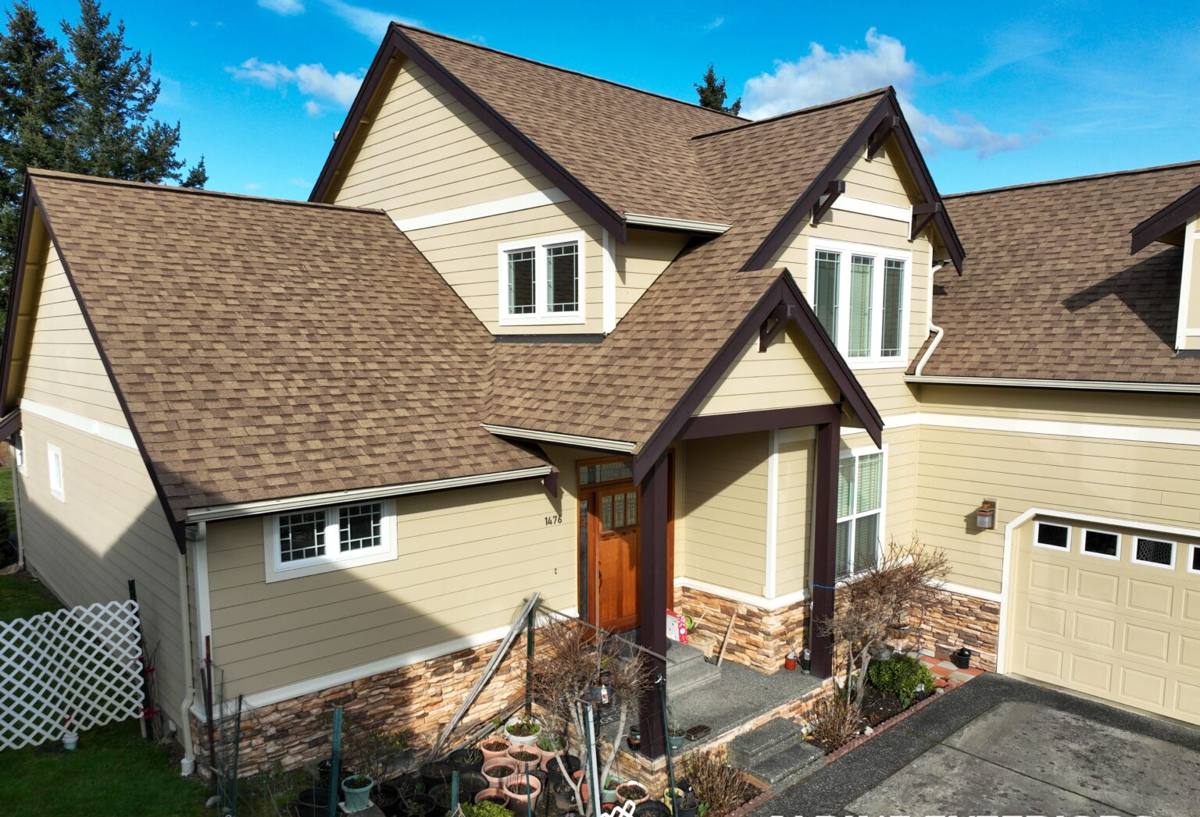
What Lummi Nation's Location Does to a Roof
Salt Air, Concentrated
The closer a property sits to open water, the more salt-laden moisture it picks up, and Lummi Nation's peninsula location puts a lot of homes closer to that exposure than most of Ferndale proper. Salt air speeds up corrosion on anything metal — fasteners, flashing, vent stacks, gutter hardware. A fastener or flashing spec that would hold up fine on a drier inland roof can start rusting within a few years out here if it wasn't rated for a marine environment. This is one of the more common corners cut on a roof, and it's invisible until the rust shows up as a stain or, eventually, a leak at a fastener head.
Wind-Driven Rain Off the Water
Open water exposure means fewer windbreaks and more direct wind, and wind is what turns rain into a sideways and upward problem instead of a straight-down one. Driving rain gets forced under shingle tabs, into valleys, and against flashing details that would stay dry in a calmer rain event. A roof built to a bare minimum standard is far more likely to leak at valleys, chimney flashing, and roof-to-wall transitions than one built with this exposure specifically in mind.
A Long Moss Season
Peninsula terrain, shaded elevations, and near-constant moisture add up to a moss and algae season that runs longer here than in drier parts of the county. It shows up first on north-facing and heavily shaded roof planes. Moss isn't just cosmetic — it holds water against the roofing surface, lifts shingle edges over time, and can work its way under laps that weren't sealed correctly to begin with.
Wind Exposure and Storm Loading
Homes closer to open water also tend to see stronger, more sustained wind during winter storm systems than homes tucked further inland. That matters directly for fastening patterns and flashing detail, since wind uplift on an aging or improperly fastened roof is one of the more common causes of storm damage calls in this area.
Signs a Lummi Nation Home Needs a New Roof
Not every roofing issue calls for full replacement, but these are the signals that usually point toward it rather than a patch:
- Shingles cupping, curling, or missing granules across large sections rather than one isolated spot
- Moss growth that keeps coming back within a season of cleaning, especially on north-facing slopes
- Rust staining at nail heads, flashing, or metal vent stacks
- Soft or spongy spots underfoot, or sagging visible from the ground
- Daylight visible through the roof deck from inside the attic
- Leaks that show up in more than one spot during a wind-driven rain event
- Granules collecting in the gutters beyond normal light shedding
- A roof at or past the manufacturer's rated service life for its material and exposure
Choosing a Roofing System for This Location
Material choice matters more here than it does on a sheltered inland lot. The table below is a general comparison — actual performance still depends heavily on installation quality, not the product alone.
| Material | How It Handles Salt Air & Rain | Moss Resistance | Typical Service Life |
|---|---|---|---|
| Architectural asphalt shingle | Good with marine-rated fasteners and correct flashing; standard-grade fasteners corrode faster this close to the water | Moderate; algae-resistant granule versions help | 25-30 years in this climate with correct install |
| Standing seam metal | Excellent when specified in a coastal-rated finish; sheds wind-driven rain aggressively | High; smooth surface and steep pitch discourage moss | 40-50+ years |
| Cedar shake | Requires active upkeep in constant damp conditions; can retain moisture against the deck | Low without regular treatment and cleaning | 20-30 years with ongoing maintenance |
| Composition/synthetic shake | Good; manufactured for consistent weather resistance | Moderate to high depending on the product | 30-50 years |
We'll go over which option fits a given roof's pitch, sun and shade exposure, and budget during the estimate, rather than pushing the same product on every home. A steep, shaded, north-facing roof and an open, south-facing roof on the same street can reasonably end up with different recommendations.
What a Correct New Roof Installation Involves
The visible shingle or panel layer is the smallest part of what determines whether a roof performs here. Most leaks and premature failures trace back to what's underneath or around it.
Tear-Off and Deck Inspection
A full tear-off down to the plywood or OSB decking is the only way to find rot, soft spots, or hidden moisture damage that's been developing quietly underneath the old roof — damage that's often invisible from inside the attic until it's already advanced. Installing new roofing over an old layer or a compromised deck just buries whatever problems already exist under a fresh surface.
Underlayment
Given the rain exposure here, underlayment isn't an afterthought. A synthetic underlayment with strong water resistance, plus self-adhered membrane at eaves, valleys, and other vulnerable transitions, gives the roof a real second line of defense if wind-driven rain ever gets past the primary roofing surface.
Flashing
Flashing at chimneys, skylights, vent penetrations, and roof-to-wall transitions is where most leaks on a roof this age actually start — not the open field of shingles or panels. We use corrosion-resistant flashing suited to salt air exposure and take the time to integrate it with the underlayment as part of the system, rather than relying on sealant alone to keep water out.
Fasteners and Hardware
Standard fasteners rust faster in this air than most homeowners expect. We spec corrosion-resistant fasteners and hardware suited to a marine environment, since a fastener failure years down the road is a hard thing to trace back and an easy thing to prevent up front.
Ventilation
Balanced intake and exhaust ventilation keeps the roof deck drier year-round, which extends the roofing material's life and discourages the conditions moss needs to take hold. A roof can look fine from the ground and still be shortening its own lifespan because of poor attic airflow nobody notices until a problem shows up.
Our Installation Process
- On-site assessment. We inspect the existing roof, deck condition, ventilation, and any problem areas in person, and take measurements for an accurate estimate.
- Material selection. We go over the options that fit the home's exposure, pitch, and budget, with honest trade-offs for each rather than a single default recommendation.
- Written estimate. A clear, itemized bid covering tear-off, underlayment, flashing, fasteners, ventilation, and material — not one vague lump-sum line.
- Tear-off and deck repair. Old roofing comes off completely, and any damaged sheathing is replaced before anything new goes down.
- Underlayment and flashing installation. The moisture barrier and flashing go in first, since this layer determines whether the roof actually stays dry.
- Roofing material installation. The chosen material is installed to manufacturer specification, with attention to fastening pattern and wind exposure.
- Ventilation check. Intake and exhaust ventilation are confirmed to be working correctly before close-out.
- Final walk-through. We review the completed roof with you in person and go over care and warranty details before we consider the job done.
Cost Factors for a Lummi Nation Roof
Every roof prices out differently, and we don't quote a figure without seeing the roof in person, since pitch and access alone can shift a bid substantially.
| Factor | Why It Matters Here |
|---|---|
| Roof size and complexity | More valleys, dormers, and penetrations mean more flashing detail and more labor |
| Pitch and access | Steep or hard-to-access roofs take longer and require more safety setup |
| Material choice | Metal and premium composites cost more up front but often need less upkeep this close to open water |
| Deck condition | Rot or soft sheathing found during tear-off adds repair cost not visible before the old roof comes off |
| Underlayment upgrade | Full self-adhered membrane coverage costs more than minimum-code underlayment but reduces wind-driven rain risk |
| Fastener and flashing grade | Marine-rated hardware costs more than standard grade but resists corrosion for far longer this close to the water |
| Site access | Waterfront and peninsula lots can have limited access, steeper grades, or tighter staging areas |
Why Hiring a Crew That Already Works Lummi Nation Matters
A roofer who mostly works calmer inland jobs isn't wrong about roofing in general — they're just working from a different set of defaults. Fastener specs, flashing choices, and underlayment coverage that are perfectly adequate on a typical sheltered roof are often undersized for what a Lummi Nation property takes on year-round. A crew that already works this stretch of the peninsula regularly has seen which details actually fail out here over a full year, not just which ones fail in a manufacturer's spec sheet.
That experience shapes practical decisions on install day: which roof orientations hold moisture longest, where extra flashing attention actually pays off, and which fastening details are worth the added time so you aren't dealing with a callback after the next winter storm off the water. It also matters after the job wraps up — a workmanship warranty is only as good as the company standing behind it years later, and a contractor with an established, ongoing presence in the area is one you can actually reach if a question comes up down the road.
A Practical Checklist Before You Choose a Roofer
- Do they perform a full tear-off with deck inspection, not just a layover?
- Does the estimate specify underlayment type, fastener grade, and roofing product, not just "new roof"?
- Is flashing work at valleys, chimneys, and walls explicitly written into the bid?
- Do they carry current Washington contractor licensing, liability insurance, and workers' compensation?
- Can they point to recent, real roofing work in or near Lummi Nation?
- Does the bid clearly separate the manufacturer's material warranty from the contractor's own workmanship warranty?
Maintaining a New Roof in This Climate
A correctly installed roof still benefits from basic upkeep given the conditions here:
- Keep gutters clear so water isn't backing up under roof edges during heavy, wind-driven rain
- Have moss growth addressed before it spreads across a full slope, not after
- Trim back tree cover that keeps a section of roof shaded and slow to dry
- Schedule a periodic check of flashing points, especially after a major winter storm
- Address any small leak signs right away rather than waiting for the next dry stretch
If your Lummi Nation home needs a new roof or you'd just like an honest second opinion on what an existing roof actually needs, we're glad to take a look. Reach out using the form below for a free, no-pressure estimate.