 Ferndale
 Roofing on the Water's Edge
Homes in and around Lummi Nation sit close to the water, and that changes what a roof has to deal with year-round. Salt-laden air moves in off the bay, driving rain comes in sideways during winter storms, and the tree cover that makes this part of Whatcom County so green also keeps roofs damp and shaded for long stretches of the year. A roofing material that performs fine a few miles inland in Ferndale can wear differently out here, simply because the air itself is more corrosive and the moisture never fully lets up.
Metal roofing has become a popular answer to that problem for homeowners in this area, and for good reason. But "metal roofing" covers a range of products, coatings, and installation methods, and getting it right in a coastal, moss-prone climate takes more than just swapping shingles for panels. This page walks through what local conditions demand, what a correct metal roof installation actually involves, and how we approach the work.
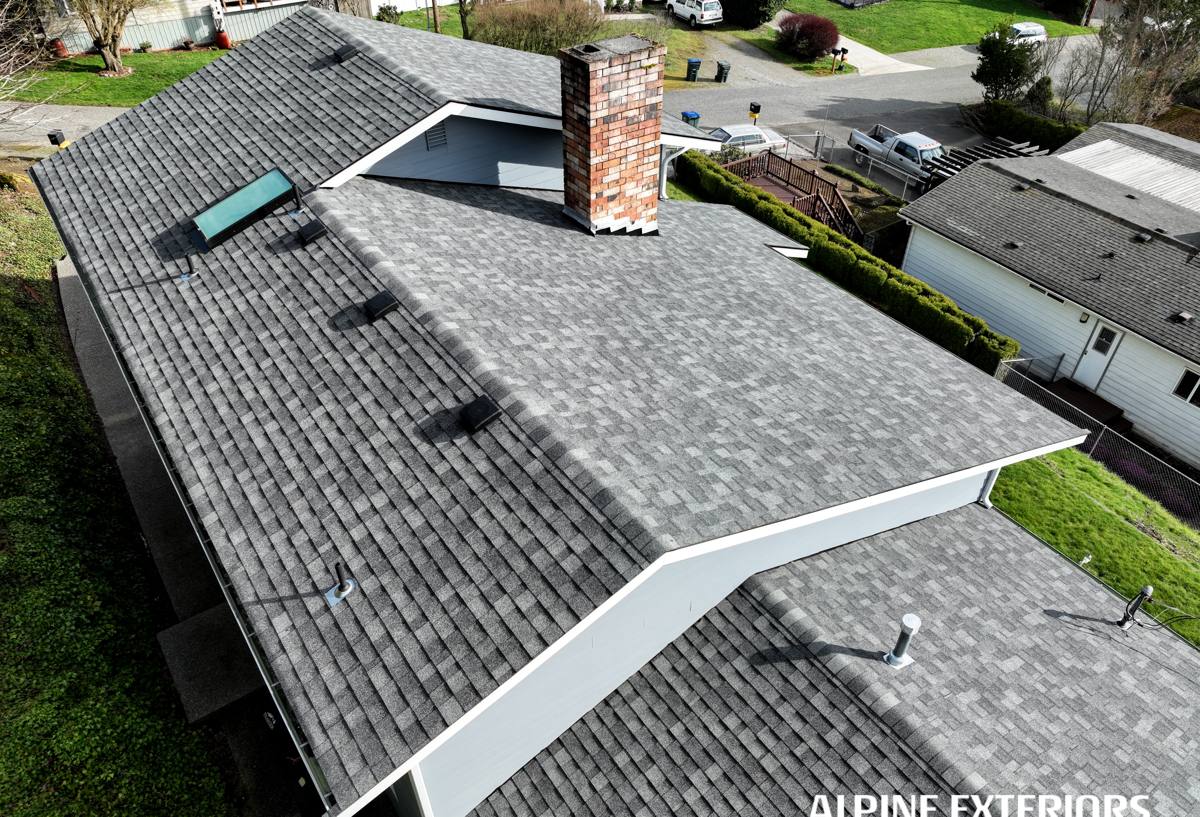
What Salt Air and Moss Season Do to a Roof Over Time
Two forces do most of the damage to roofs in this part of Whatcom County, and they work differently.
Salt Air and Corrosion
Airborne salt from Bellingham Bay and the Georgia Strait settles on every exterior surface, including the roof. On metal, that means an ongoing corrosion risk at cut edges, fastener heads, and any place the protective coating gets scratched or worn thin. Bare or poorly coated steel can develop rust streaks and pitting well before its expected lifespan is up. This is a bigger factor for homes closer to the shoreline than it is even a short distance inland, which is exactly why product selection matters more here than in a lot of other parts of the county.
Moss, Algae, and Prolonged Moisture
Shade from evergreens, mild temperatures, and a long wet season give moss and algae everything they need to take hold. On asphalt shingles, moss roots into the mat and lifts granules, shortening the roof's life. On a properly installed metal roof, moss has a much harder time getting a foothold because there's no organic mat to grow into — but debris still needs to be kept off the panels, and valleys and low-slope sections still need attention, or trapped moisture can find its way to fasteners and seams.
Why Metal Roofing Fits Homes in This Area
We don't push metal roofing on every homeowner — it's not the right fit for every budget or every roof design — but for houses exposed to salt air, heavy rain, and long moss seasons, it solves problems that shingle roofing struggles with:
- Sheds water fast off a slick, continuous surface instead of relying on overlapping mat that can hold moisture
- Gives moss and algae far less to grab onto compared to a granulated shingle surface
- Handles wind-driven rain and gusts off the water better than lighter roofing materials
- Holds its finish and structural integrity far longer than asphalt when the coating and installation are matched to a coastal environment
- Reduces the frequency of moss treatments and roof washing compared to shingle roofs in the same conditions
None of that means a metal roof is maintenance-free. It means the maintenance shifts from constant patching and moss removal to occasional inspection and upkeep — a trade a lot of local homeowners are glad to make once they've dealt with a shingle roof through a few wet Whatcom County winters.
Choosing the Right Metal System for a Coastal Property
Not all metal roofing is built the same, and the differences matter more here than they would in a dry climate. The table below covers the main options we install and how they hold up under salt air and heavy moisture.
| System | Salt Air / Corrosion Resistance | Moss & Algae Resistance | Maintenance Needs |
|---|---|---|---|
| Standing seam (concealed fastener) | Strongest — fasteners are hidden under the seam, out of direct weather | Very good — smooth, steep panel run with few places for debris to sit | Low; periodic inspection of seams and flashing |
| Exposed-fastener panel | Good, but fastener seals are the weak point over time and need monitoring | Good on steeper pitches, less so on shallow ones | Moderate; fastener gaskets should be checked periodically |
| Stone-coated steel shingle | Good with correct coating; coated granules protect the steel base | Moderate — texture can hold more debris than smooth panel | Moderate; occasional debris clearing in valleys |
For homes closest to the water, we generally steer people toward standing seam because the concealed fastener design removes the most common long-term failure point in a salt-air environment: fastener corrosion. Exposed-fastener systems can still be a smart, more budget-friendly choice on outbuildings, shops, or homes set back further from the shoreline, as long as the fastener type and gasket quality are right for the climate.
Coating and Gauge Matter as Much as the Panel Style
Two roofs using the "same" metal panel can perform very differently depending on the steel gauge and the protective coating underneath the paint finish. In a coastal setting, we favor heavier-gauge panels and coatings rated for marine or coastal exposure over the lighter, builder-grade material sometimes used inland. It costs a bit more upfront and pays for itself in the reduced risk of premature corrosion.
What a Correct Metal Roof Installation Actually Involves
A metal roof is only as good as what's underneath it and how it's fastened down. The panels get the attention, but most premature failures we get called out to inspect trace back to shortcuts in these areas:
Underlayment
Metal roofing needs a high-quality synthetic or self-adhered underlayment underneath it, not the lightest-weight felt available. In a climate with this much year-round rain, that underlayment is the backup layer that keeps the house dry if wind ever drives moisture past a seam.
Fastening and Sealants
Fastener type, spacing, and torque all affect how well a metal roof holds up to wind and thermal movement. Metal panels expand and contract with temperature swings, and fasteners or clips that don't account for that movement will loosen or crack seals over time — a slower, quieter failure mode that often isn't obvious until water starts getting in.
Flashing and Penetrations
Chimneys, vents, skylights, and valleys are where most roof leaks start, metal or otherwise. Flashing details need to be built for the specific panel profile being used, not adapted loosely from a shingle-roof approach.
Ventilation
Trapped attic moisture is a bigger issue in a wet, mild climate than in a dry one. Proper intake and exhaust ventilation keeps condensation from forming on the underside of the metal, which protects both the roof deck and the panels themselves from the inside out.
How Our Process Works
- On-site inspection. We look at your existing roof, deck condition, ventilation, and exposure to wind and salt air before recommending a system.
- Honest system recommendation. We'll walk through standing seam versus exposed-fastener versus other options for your specific home and budget, and explain the real trade-offs — not just the upsides.
- Clear written estimate. You'll know the panel type, gauge, coating, underlayment, and flashing plan before any work starts.
- Tear-off and deck check. We remove the old roofing and inspect the deck for any rot or damage before covering it — this is where hidden problems get caught, not after the new roof is on.
- Installation. Underlayment, flashing, and panels go in following manufacturer specs and the details that matter most in a coastal climate.
- Final walkthrough. We go over the finished roof with you, including what routine upkeep it needs going forward.
Maintaining a Metal Roof Through a Long Moss Season
A metal roof needs far less attention than shingles, but "less" isn't "none." A simple seasonal routine goes a long way here:
- Clear needles, leaves, and debris from valleys and gutter lines a couple of times a year, especially after fall storms
- Do a visual check of flashing around chimneys, vents, and skylights once a year for lifted edges or gaps
- Keep overhanging branches trimmed back to cut down on debris buildup and reduce shade that encourages moss on nearby surfaces
- Rinse off heavy salt residue or grime periodically, especially on homes closest to the water
- Have seams and fasteners (on exposed-fastener systems) checked every few years, or after any major windstorm
Permitting and Local Considerations
Roofing projects around Ferndale and the Lummi Nation area can fall under different permitting authorities depending on whether the property sits within county jurisdiction or on tribal land. We handle that groundwork as part of the estimate process, so homeowners aren't left figuring out which office to call before work can even be scheduled.
Why It Matters to Hire a Crew That Already Works This Area
Roofing crews that mostly work drier, inland areas don't always account for how much harder salt air and a long wet season are on materials and fasteners. Working regularly in and around Lummi Nation and greater Whatcom County means we've seen firsthand which panel coatings hold up near the water, which flashing details actually keep this much rain out, and where shortcuts show up as leaks two or three winters later. That local experience shapes every recommendation we make, from the system we suggest to the maintenance routine we hand off when the job is done.
If you're weighing a metal roof for a home in Lummi Nation or anywhere nearby, we're happy to take a look and give you a straight answer on what your roof actually needs. Use the form below to request a free, no-pressure estimate.