 Ferndale
 Why Fairhaven Windows Wear Differently Than Windows Inland
Fairhaven sits close enough to Bellingham Bay that the air itself is part of the maintenance equation. Salt-laden moisture rides in on the wind, settles on glass and metal, and works its way into every seam that isn't sealed correctly. Add Whatcom County's long, wet winters and the shoulder seasons of driving rain, and you've got a climate that finds every weak point in a window faster than it would in a drier part of the state. We see the same failure patterns over and over on Fairhaven homes: fogged double-pane glass, swollen wood sashes, corroded hardware, and frames that have gone soft at the bottom corners where water sits the longest.
Energy efficiency and weather durability aren't separate issues here — they're the same issue. A window that's lost its seal isn't just leaking heat, it's usually also letting in the moisture that will eventually rot the frame or fog the glass permanently. That's why we evaluate both performance and weather-tightness together on every Fairhaven job, rather than treating "energy efficient" as a box to check on a spec sheet.
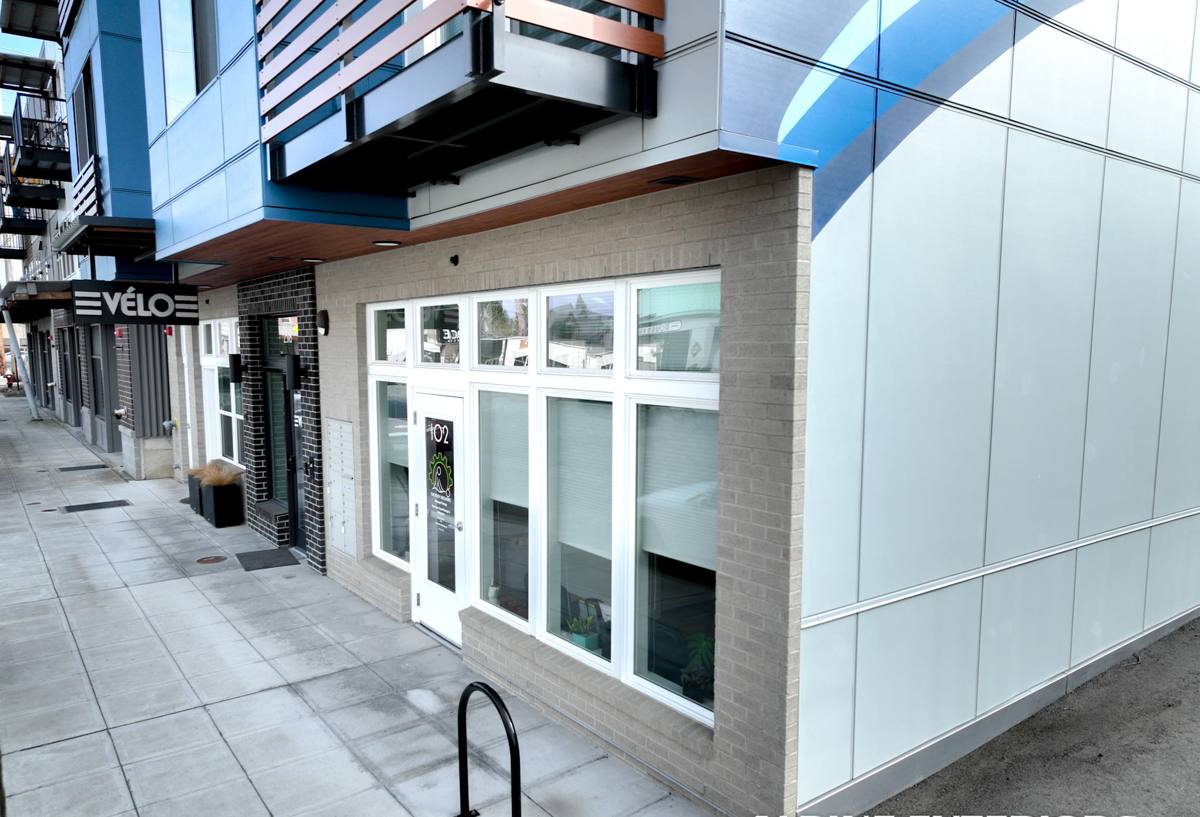
What Salt Air, Rain, and Moss Season Actually Do to a Window
It helps to understand the specific mechanisms at work, because they explain why some window choices hold up here and others don't.
Salt Air
Airborne salt is mildly corrosive to unprotected metal. Over years, it accelerates the breakdown of cheaper hardware — hinges, locks, balance mechanisms — and can pit or dull aluminum finishes that aren't marine-rated or properly coated. It also tends to hold moisture against surfaces longer than plain rainwater does, which slows drying time after storms.
Driving Rain
Wind-driven rain doesn't just fall on a window — it gets pushed sideways and upward into gaps that vertical rain would never reach. This is almost always a flashing and installation problem rather than a window problem. Even a well-built window will leak if the flashing details around it weren't done correctly, especially at the head and sill.
Moss Season
Whatcom County's damp stretch of the year keeps moss and algae actively growing on north-facing and shaded surfaces for months at a time. Around windows, that growth holds moisture against wood trim and caulk lines, which shortens the life of both. Vinyl and fiberglass frames don't feed moss growth directly, but trim, sills, and surrounding siding still need attention so moisture isn't being funneled back toward the window opening.
What Actually Makes a Window "Energy Efficient" Here
Energy-efficient windows are usually sold on U-factor and Solar Heat Gain Coefficient (SHGC), and those numbers matter — but for this climate, air and water sealing matter just as much as the glass package. A window with excellent glass ratings installed with poor flashing will still leak air and water, and a moderately rated window installed correctly will often outperform it in real-world comfort and durability.
| Feature | Why It Matters in Fairhaven's Climate |
|---|---|
| Low U-factor (0.30 or lower recommended) | Reduces heat loss during our long heating season, which runs longer here than in most of Western Washington's warmer pockets |
| Dual or triple-pane glass with argon fill | Cuts condensation risk on cold, damp mornings and improves comfort near the glass |
| Corrosion-resistant hardware | Salt air accelerates wear on standard locks, hinges, and balances |
| Full-perimeter flashing and sealant compatible with the wall assembly | Stops wind-driven rain intrusion at the head, jambs, and sill — the most common failure point |
| Weep holes and drainage paths kept clear | Lets incidental water that does get past the outer seal drain back out instead of pooling |
Signs Your Current Windows Are Costing You
Homeowners often live with a slowly failing window for years before connecting it to their heating bill or a musty smell in a room. Watch for:
- Fogging or a milky haze between the panes — the seal has failed and the gas fill is gone
- Cold drafts near the frame even when the window is fully latched
- Sashes that stick, won't latch tight, or have visibly swollen wood
- Soft or discolored trim or sill boards, especially on the side that faces prevailing weather
- Visible moss, algae, or persistent black staining on the frame or nearby siding
- Condensation forming on the inside of the glass regularly during cold snaps
- A noticeable temperature difference standing near the window versus the middle of the room
How We Approach a Fairhaven Window Job
1. On-Site Assessment
We look at each window opening individually, not just the glass. That includes checking the condition of the existing flashing, sill pan, and surrounding wall material, since those determine how the new window needs to be integrated — not just what unit gets ordered.
2. Removal and Opening Prep
Old windows come out carefully to avoid damaging surrounding siding or trim. If we find rot or water staining in the framing during this step, we address it before anything new goes in — installing a new window into a compromised opening just repeats the problem in a few years.
3. Weatherproofing the Opening
This is the step that matters most for this climate and the one that's easiest to shortcut. Proper sill pan flashing, correctly lapped house wrap or building paper, and window flange integration are what actually keep driving rain out — good sealant alone isn't enough if the layering underneath is wrong.
4. Installation and Sealing
Windows are set plumb, level, and square, shimmed correctly so the frame isn't under stress, and sealed with products compatible with both the window and the wall assembly. We check operation — smooth opening, closing, and locking — before moving on.
5. Finish and Cleanup
Interior and exterior trim is finished, hardware is tested, and the job site is cleaned up. We walk the homeowner through operation and basic care before we consider the job done.
Choosing a Frame Material for This Climate
| Material | Trade-Offs for Fairhaven Conditions |
|---|---|
| Vinyl | Won't rot or corrode from salt air; good value; limited color and repaint options if look changes later |
| Fiberglass | Very stable in temperature swings and moisture, holds paint well, higher upfront cost than vinyl |
| Wood (clad exterior) | Warm interior look; exterior cladding protects against weather, but any breach in the cladding exposes wood to moisture and requires prompt repair |
| Aluminum | Strong and slim sightlines, but standard aluminum conducts cold and is more prone to condensation and salt-related wear unless it's a marine-grade or thermally broken product |
We don't push one material as universally "best" — it depends on the home's style, budget, and how much exterior maintenance the homeowner wants to take on. What we do insist on is corrosion-resistant hardware and proper flashing regardless of which frame material is chosen, because those two things affect longevity more than the frame material itself in this climate.
What Affects Cost
- Number and size of openings — larger and more numerous windows increase material and labor
- Frame material — vinyl is typically the most budget-friendly, fiberglass and clad-wood cost more
- Glass package — dual-pane versus triple-pane, low-E coatings, and gas fill options
- Condition of the existing opening — rot repair or reframing adds time and material
- Access and site conditions — second-story or hard-to-reach windows take longer to work safely
- Trim and finish work — matching existing interior or exterior trim profiles can add scope
We give straightforward, itemized estimates so homeowners can see exactly what's driving the price, rather than a single lump number.
Why It Matters to Hire a Crew That Already Works This Area
Window installation done by the book in a dry inland climate isn't automatically done right for a home exposed to salt air and driving rain off Bellingham Bay. A crew that regularly works Fairhaven and the surrounding Ferndale area has already seen how flashing details, sealant choices, and hardware selections hold up — or don't — in these specific conditions. That local pattern recognition is what prevents a window that looks fine on installation day from leaking or fogging three winters later.
It also means we're not guessing at how a home's existing siding, trim, and wall assembly were built. Whatcom County has a mix of older wood-sided homes and newer construction, and each requires a slightly different approach to integrate a new window opening correctly.
Ready for a Straightforward Look at Your Windows?
If your windows are drafty, fogged, sticking, or just older than they should be for how they're performing, we're happy to take a look and give you an honest read on what's going on — no pressure, no upsell. Fill out the form below to schedule a free estimate for your Fairhaven home.