 Ferndale
 Decks in Marietta Take a Different Kind of Beating
Marietta sits close enough to the water that homes here deal with a mix most inland Ferndale properties don't: salt-laden air off Bellingham Bay, near-constant winter rain, and long stretches of low sun that keep wood surfaces damp for days at a time. A deck built to a generic spec — the kind you'd see in a catalog plan from a drier climate — starts showing problems in this neighborhood years before it should. Fasteners corrode faster. Framing stays wet longer between rain events. Moss and algae get a running start every fall and don't let go until late spring.
None of that means decks can't last out here. It means the build has to account for the environment from the ledger board down to the footings, not just look right on installation day. That's the difference between a deck that needs full replacement again in eight or ten years and one that holds up for decades with normal upkeep.
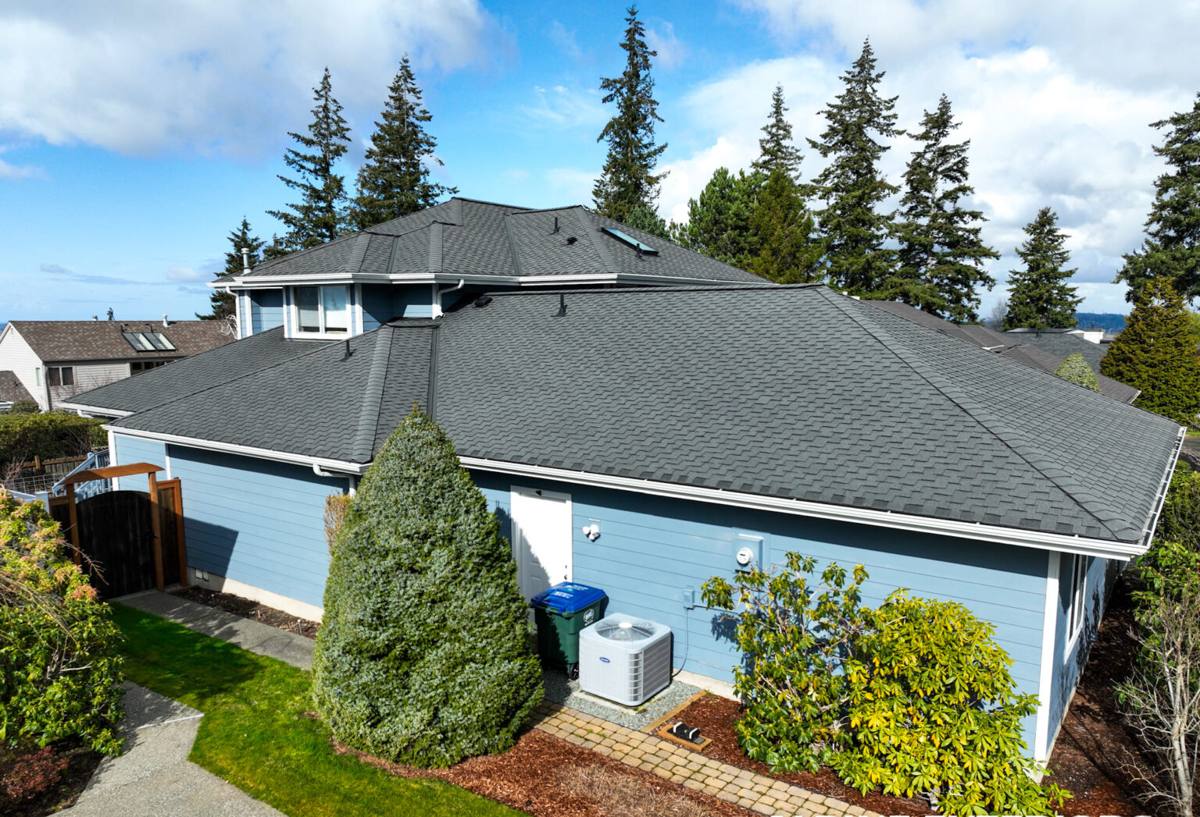
How Salt Air, Rain, and Moss Actually Damage a Deck
It helps to understand the failure pattern, because it's rarely one dramatic problem — it's several small ones compounding.
Salt Air
Airborne salt accelerates corrosion on any exposed metal: nails, screws, joist hangers, bolts. Once a fastener starts rusting, it loses holding strength long before it looks obviously bad. On an older deck, this often shows up as a hanger that's pulled slightly away from the ledger, or screw heads that snap off when you try to back them out.
Driving Rain
Whatcom County rain doesn't just fall — it comes in sideways often enough to drive moisture into joints, under boards, and behind ledger flashing that isn't detailed correctly. Water that gets trapped between a deck board and the joist below it, or behind a poorly flashed ledger connection, doesn't dry out between storms. That's where rot starts, and it starts from the inside, which is why so many failing decks look fine from the top until you get underneath them.
Moss and Organic Growth
A deck surface that stays shaded and damp for months builds up moss, algae, and general organic film. Beyond being slippery, that layer holds moisture against the wood surface constantly, which shortens the life of the boards themselves and, on older wood decking, accelerates surface checking and splintering.
Signs a Marietta Deck Needs Replacement, Not Just Repair
Not every deck problem means a full tear-out. But there's a point where patching individual boards or fasteners stops making financial sense. Some signs worth taking seriously:
- Soft, spongy, or springy spots when you walk across the decking
- Rust streaking below joist hangers, ledger bolts, or screw heads
- Visible gaps or separation where the ledger board meets the house
- Wood that's gone gray and fibrous, or that splinters easily when pressed
- Posts or footings that feel loose, or a railing that flexes more than it should
- Persistent moss or dark staining that comes back within weeks of cleaning
- A deck older than 15–20 years that has never had the substructure inspected
If it's mostly surface wear on decking boards with a sound frame underneath, a resurfacing or targeted repair can make sense. If the framing, ledger connection, or footings are compromised, repair becomes a short-term fix on a structure that's already failing — and that's usually when full replacement is the more honest recommendation.
What a Correct Deck Replacement Actually Involves
A deck replacement done right isn't just pulling old boards and screwing down new ones. For a Marietta property, the parts that matter most are the parts you won't see once the project is finished.
Ledger Connection and Flashing
The ledger board — where the deck attaches to the house — is the single most common failure point on any deck near the water. Correct flashing (metal flashing plus a water-resistant barrier behind it, properly lapped so water sheds outward, never into the wall) is non-negotiable here. This is also the connection point structural engineers and inspectors scrutinize most closely, for good reason.
Framing and Fasteners
Joists, beams, and posts should be rated for exterior/ground-contact exposure where applicable, and every fastener — hangers, screws, structural bolts — should be corrosion-resistant hardware suited to a coastal-influenced environment, not standard interior-grade fasteners that will start rusting within a couple of seasons.
Footings and Post Bases
Footings need to be sized and set to current code depth and bearing requirements, with post bases that keep the wood post off the concrete and off standing water — a small detail that has an outsized effect on how long the substructure lasts.
Decking Material and Airflow
Proper board spacing and joist spacing that allows airflow underneath the deck reduces how long moisture sits against the wood after a storm. This matters more in a climate where it can be days between real drying weather.
Comparing Decking Materials for a Marietta Property
There's no single "best" decking material — it depends on budget, how much upkeep you're willing to do, and how close to the water your specific lot sits. Here's how the common options actually compare for this environment.
| Material | Moisture & Salt Resistance | Maintenance | Typical Lifespan Here |
|---|---|---|---|
| Pressure-treated wood | Good if properly sealed and re-sealed regularly | Annual cleaning, periodic sealing/staining | 10–15 years before boards need replacing |
| Cedar | Naturally decay-resistant, but surface still needs upkeep | Regular cleaning, periodic finish maintenance | 15–20 years with consistent care |
| Composite decking | Very good — doesn't absorb moisture like wood | Occasional washing, no sealing/staining | 25+ years, varies by product warranty |
| PVC/capped polymer | Excellent — fully moisture and salt resistant | Lowest maintenance of the group | 25–30+ years, higher upfront cost |
Framing underneath, regardless of which decking material sits on top, should still be built to the same standard — proper flashing, corrosion-resistant fasteners, and adequate airflow. A composite deck built on a poorly flashed frame will still fail at the ledger, just with nicer boards on top.
Our Process for a Marietta Deck Replacement
- On-site assessment. We inspect the existing deck's framing, ledger connection, and footings — not just the surface — to confirm whether replacement or repair is the right call.
- Honest scope and estimate. You get a clear breakdown of what's being replaced, what materials are recommended for your specific exposure, and why.
- Permitting. Deck work in Ferndale and unincorporated Whatcom County generally requires a permit depending on size, height, and attachment to the structure. We handle that process rather than leaving it on your plate.
- Demolition and disposal. Old decking, framing, and hardware removed and hauled off — including flagging anything (like rot extending into the house framing) that needs to be addressed before rebuilding.
- Rebuild. New footings or post bases as needed, correctly flashed ledger connection, corrosion-resistant hardware throughout, and decking installed with proper spacing for drainage and airflow.
- Final walkthrough. We go over the finished deck with you, including basic maintenance expectations for whichever material you chose.
Why a Crew That Already Works Marietta Makes a Difference
A contractor who mostly works drier, inland projects will often spec a deck the same way regardless of where it's going. A crew that regularly works Marietta and the rest of the Ferndale area builds differently by default — heavier-duty fasteners, more attention to ledger flashing, decking spacing that accounts for how long things stay wet here. That's not a sales pitch, it's just what holds up in this specific climate versus what doesn't.
There's also a practical side: familiarity with how Whatcom County and City of Ferndale permitting works for deck projects, what inspectors are looking for on ledger and footing connections, and realistic timelines given how many rain-delay days a coastal-adjacent project should plan around.
Keeping a New Deck in Good Shape
Whatever material you choose, a few habits go a long way toward getting the full lifespan out of a Marietta deck:
- Clear leaves and debris from between boards before fall rains set in — trapped debris holds moisture against the surface
- Rinse off salt spray and organic buildup a few times a year, more often if the deck is heavily shaded
- Check and clear any drainage gaps or scuppers so water isn't pooling on the surface
- For wood decking, re-seal or re-stain on the schedule the product calls for — don't wait until it's visibly failing
- Walk the underside of the deck once a year to catch early signs of hardware corrosion or soft framing before they become bigger problems
Getting Started
If your Marietta deck is showing its age — soft spots, rust streaks, moss that won't quit, or a ledger connection that looks questionable — it's worth having someone look at the framing before deciding between repair and replacement. We offer free, no-pressure estimates for Marietta and the surrounding Ferndale area; use the form below to get one scheduled.