 Ferndale
 Deck Replacement for Kendall Homes
A deck in Kendall works harder than it looks. Between the long stretches of wet weather that settle over Whatcom County every fall and winter, the driving rain that comes sideways off the foothills, and a moss season that can run eight months or more, an aging deck out here is usually further gone structurally than it appears from the surface. We replace decks for homeowners throughout the Kendall area, and the jobs we get called out for almost always start the same way: a deck that "just needs a few boards" turns out to have soft framing, a failing ledger connection, or posts that have been sitting in standing water for years.
This page is about deck replacement specifically — tearing out a deck that's past the point of reasonable repair and rebuilding it correctly, from the ground up, for the conditions this part of the county actually produces.
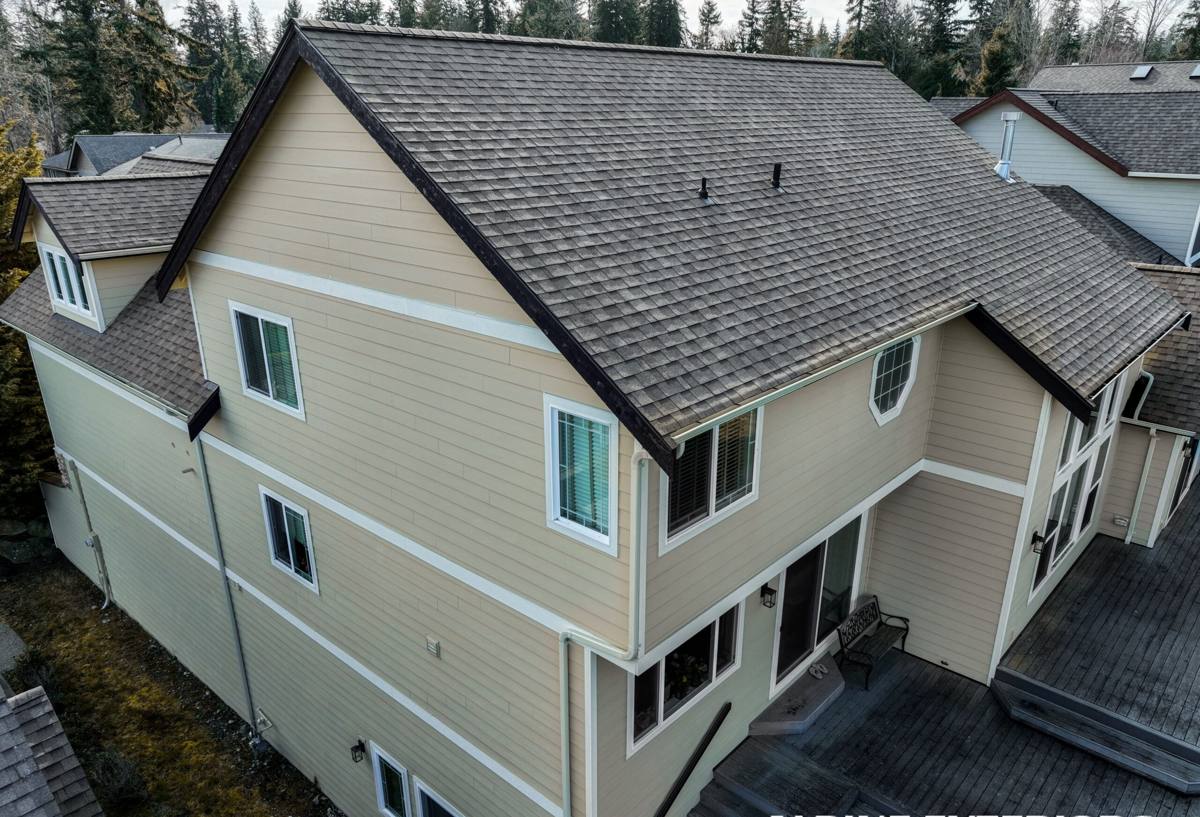
Why Decks Wear Out Faster Out Here
Kendall sits inland from the water compared to Ferndale proper, but the same marine-influenced weather system that pulls moist, salt-tinged air off Bellingham Bay and the Strait still reaches the foothills. Combine that with the region's heavy fall-through-spring rainfall, and you get decks that stay damp for weeks at a time rather than drying out between storms. Wood doesn't need to be soaked to rot — it just needs to stay consistently moist, and that's exactly what a shaded or partially covered deck does here for most of the year.
Moss compounds the problem. It doesn't just make boards slick and dangerous underfoot — it holds moisture against the wood surface and, over time, works its way into joints, fastener holes, and the gaps between deck boards where water is already slow to drain. A deck that's been fighting moss for a decade has usually been losing that fight in places you can't see from the top: the joists, the ledger, and the framing underneath.
Signs a Deck Needs Replacing, Not Repairing
Not every tired-looking deck needs a full teardown. But there's a point where patching individual boards is just delaying a bigger problem — and often masking it. We look for:
- Soft or spongy spots in the decking or framing when you walk across it
- Visible rot, dark staining, or fungal growth at the ledger board where the deck meets the house
- Wobble or movement in the railings or posts, especially after rain
- Fasteners that are rusted, backing out, or leaving dark streaks in the wood
- Footings or posts sitting directly on soil, with no visible gap or drainage
- A deck that's more than 20-25 years old and has never had the substructure inspected
If more than one or two of these show up, repair usually costs more over time than a clean rebuild once you factor in follow-up calls and the risk of a failure that damages siding, framing, or worse.
What a Correct Deck Replacement Actually Involves
A deck replacement isn't just swapping old boards for new ones on the same frame. Done right, it addresses everything underneath the surface — the parts that determine whether the next deck lasts 10 years or 30.
Framing and Structural Layout
We evaluate joist spacing, beam sizing, and post placement against current load requirements rather than just rebuilding to match what was there before. Older decks in this area were often framed to lighter, outdated standards, especially if they were owner-built or added on decades ago.
Ledger Board and Flashing
The ledger — where the deck attaches to the house — is the single most common failure point we find, and it's almost always a moisture problem. Proper flashing that sheds water away from the house band board, rather than trapping it against the structure, is non-negotiable on every replacement we do. This is also the connection point most responsible for catastrophic deck failures when it's done wrong, so we don't cut corners here regardless of budget.
Footings and Post Bases
Wood posts set directly in soil or concrete without a proper base are one of the fastest ways to lose structural integrity in this climate. We use post bases that keep wood off wet ground and footings sized and set to local frost and load requirements.
Choosing Materials for This Climate
Material choice matters more here than in drier climates, because the margin for error with moisture is smaller. There's no single "best" decking material — it depends on your budget, how much maintenance you're willing to do, and how the deck is situated relative to sun, shade, and drainage.
| Material | How It Handles Wet, Shaded Conditions | Maintenance | Typical Lifespan Here |
|---|---|---|---|
| Pressure-treated wood | Good if detailed and ventilated properly; struggles in constantly shaded, damp spots | Annual cleaning, periodic sealing/staining | 10-15 years, less in poor-drainage areas |
| Cedar | Naturally rot-resistant but still needs airflow and drainage to perform | Regular sealing to maintain appearance and resistance | 15-20 years with upkeep |
| Capped composite | Very good — resists moisture absorption, doesn't feed moss growth the way bare wood can | Occasional washing, no sealing/staining | 25-30+ years |
| PVC decking | Excellent moisture resistance; performs well in fully shaded, damp locations | Low — occasional cleaning | 25-30+ years |
We install both wood and low-maintenance composite/PVC systems. Our standard advice for shaded, moisture-prone lots — which describes a lot of Kendall properties tucked among trees — is that composite or PVC earns its higher upfront cost back in avoided maintenance and a much longer service life. For decks that get more sun and better airflow, quality wood is still a sound, honest choice, provided it's sealed on a real schedule rather than an occasional one.
Our Deck Replacement Process
- On-site evaluation. We inspect the existing deck, ledger connection, framing, and footings to confirm replacement is the right call, and identify any moisture or drainage issues at the source.
- Design and material selection. We walk through material, layout, and railing options based on your budget, how you use the space, and how much maintenance you want going forward.
- Permitting. Deck replacements in Whatcom County typically require a permit once you're doing more than a like-for-like board swap, especially with structural or footing work involved. We handle that process rather than leaving it on you.
- Demolition and disposal. Full teardown of the old deck, including any framing or footings that don't meet current standards, hauled off the property.
- Rebuild. New footings, framing, ledger flashing, decking, and railings installed to code, with attention to drainage and airflow underneath — the details that determine how the deck holds up in five, ten, and twenty years.
- Final walkthrough. We go over the finished deck together, including basic care guidance specific to whatever material you chose.
Permits and Local Requirements
Most deck replacements that involve new footings, structural changes, or a deck attached above a certain height off grade need a permit through Whatcom County (or the applicable local jurisdiction, depending on exactly where your property sits). Setback rules and inspection requirements vary by parcel, so we confirm specifics for your property before pulling permits rather than assuming. Skipping this step is one of the more common ways homeowners end up with problems at resale — an unpermitted deck can become a negotiating issue or a required fix down the line.
Keeping a New Deck in Good Shape
Whatever material you choose, a few habits go a long way in this climate:
- Keep gutters and downspouts clear so runoff isn't dumping onto or near the deck
- Sweep leaves and debris off the surface regularly, especially in fall — trapped organic matter feeds moss and holds moisture
- Rinse off moss and algae buildup before it gets a foothold, rather than after
- Check railings and stair connections once a year for movement
- If you have wood decking, stay on a real sealing schedule rather than "when it looks dry"
- Keep an eye on the area where the deck meets the house — it's the first place moisture problems tend to show up again
Why Hire a Crew That Already Works in Kendall
A deck built to a generic standard and a deck built for how water actually moves through a specific property are two different things. Working in and around Kendall regularly means we've seen how drainage, tree cover, and exposure play out on real lots in this area — not just in a manual. That shows up in the small decisions: how a ledger gets flashed, where a footing gets placed relative to grade, how much airflow gets left under low decks. Those decisions are the difference between a deck that needs replacing again in fifteen years and one that doesn't.
We're also a straightforward outfit to work with. No pressure tactics, no inflated scope to pad the job — just an honest assessment of what your deck needs and clear options at different price points.
If your deck is showing its age, we're happy to take a look and give you a straight answer on whether it needs replacing, what that would involve, and what it would cost. Reach out for a free, no-pressure estimate using the form below.