 Ferndale
 Why Window Replacement Works Differently in Custer
Custer sits in one of the more weather-exposed pockets of Whatcom County. Homes here take on marine air moving in off the Salish Sea, long stretches of driving rain through the fall and winter, and a moss and mildew season that can run most of the year in shaded or north-facing spots. Windows in this environment don't fail the way they do in drier climates. They fail at the seams, the sills, and the flashing details — the places where water is supposed to be stopped and isn't.
If you've owned a home in or around Custer for more than a few years, you've probably already noticed the pattern: fogged glass first, then soft trim, then drafts that seem to get worse every winter no matter how much caulk gets added. That's not bad luck. That's what happens when window replacement is done to a general standard instead of a standard built for this specific climate.
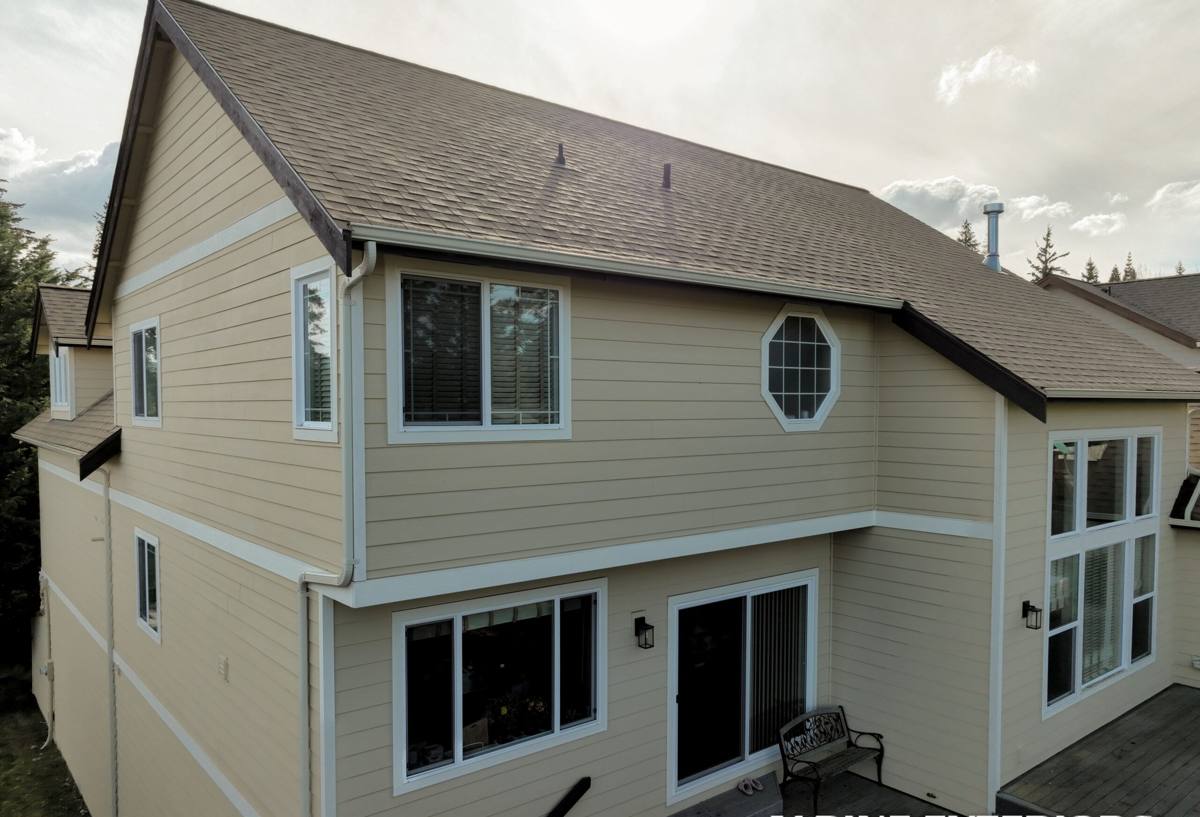
Signs Your Custer Home's Windows Need Attention
Most window failures announce themselves well before a pane cracks or a frame rots through. Here's what we look for, and what you should watch for between now and your next inspection:
- Condensation or fogging between the panes of a double-pane window (a sign the seal has failed)
- Soft or discolored wood trim around the frame, especially on the bottom sill
- Visible moss, algae, or black staining on the exterior casing
- Windows that are noticeably harder to open, close, or lock than they used to be
- Cold drafts near the frame edges even when the window is fully closed and latched
- Paint that bubbles, peels, or won't hold on the exterior trim year after year
- Visible daylight or gaps around the frame when viewed from inside at night
Any one of these on its own might just mean a caulk touch-up. Two or three together, especially on windows facing the prevailing weather, usually means the window and its flashing are past the point where patching makes sense.
What a Correct Window Replacement Actually Involves
Removal and Inspection
The old window comes out, and so does the trim around it — not just so we can fit the new unit, but so we can actually see the sheathing and framing underneath. In a climate like Custer's, this is the step that matters most. A window can look fine from outside and still be sitting on rotted sheathing or a sill that's been slowly absorbing moisture for years. We don't install over a problem and hope for the best; if we find rot or water damage, we tell you before we go further, not after.
Flashing and Weatherproofing
This is the part of the job that's invisible once it's done, and it's also the part that determines whether the window lasts fifteen years or leaks in three. Proper flashing means a sloped sill pan so water sheds outward instead of pooling, correctly lapped house wrap so water always drains over the layer below it, and butyl or flashing tape at every seam rather than relying on caulk alone. Caulk is a backup, not a strategy — it's the first thing to fail under constant rain and UV exposure.
Installation and Sealing
The window is set plumb, level, and square, shimmed correctly so it isn't relying on the frame to hold its shape, and fastened per the manufacturer's specifications so the warranty stays valid. Insulation goes in the gap between the window and the rough opening — not stuffed in tight, which can bow the frame, but filled properly so there's no path for air or moisture to travel behind the trim. Exterior sealant goes on last, on top of correctly lapped flashing, not as a substitute for it.
Choosing the Right Window for This Climate
There's no single "best" window material — there's the right material for how exposed your specific walls are and how much upkeep you want to do. Here's how the common options actually compare for a home in Custer's weather:
| Frame Material | Moisture Performance | Maintenance | Typical Lifespan |
|---|---|---|---|
| Vinyl | Good — won't rot, minor expansion/contraction in temperature swings | Low — occasional cleaning | 20–30 years |
| Fiberglass | Excellent — very stable, minimal movement with weather | Low | 30+ years |
| Wood (uncoated/traditional) | Poor without diligent upkeep — absorbs moisture at joints and sills | High — repainting and sealing on a regular cycle | Varies widely with maintenance |
| Wood-clad (exterior-protected) | Good on the exterior face; interior wood still needs normal care | Moderate | 20–30 years |
For homes taking direct weather in Custer, we generally steer clients toward vinyl or fiberglass for the exterior-facing performance and lower long-term maintenance burden, especially on walls with little roof overhang for protection. Traditional exposed wood can still look great, but it's an honest trade-off: it demands a maintenance schedule that a lot of busy homeowners don't keep up with, and once the finish fails at a joint, moisture gets in fast in this climate. We'll walk you through what fits your home and your tolerance for upkeep — there's no wrong answer as long as it's an informed one.
Our Process, Start to Finish
- On-site assessment — we look at every window being considered, not just the ones you called about, and check the condition of the surrounding trim and sheathing.
- Honest recommendation — full-frame replacement where the opening or flashing needs correction, insert replacement where the existing frame is sound.
- Written estimate — clear line items, no vague allowances, so you know what you're paying for before work starts.
- Scheduling around the weather — we plan installation days with Whatcom County's rain patterns in mind so openings aren't left exposed longer than necessary.
- Installation — removal, inspection, flashing, setting, insulating, and sealing, done in that order, on every window.
- Final walkthrough — we open, close, and lock every replaced window with you before we consider the job done.
What Drives Cost on a Custer Window Project
Every project is a little different, but the same handful of factors move the price up or down on most jobs:
| Factor | Why It Matters |
|---|---|
| Full-frame vs. insert replacement | Full-frame costs more but is necessary when the existing frame or flashing has failed |
| Extent of hidden water damage | Rotted sheathing or framing found during removal adds repair scope |
| Frame material chosen | Vinyl, fiberglass, and wood-clad carry different material costs |
| Window size and style | Larger units, custom shapes, or multi-panel configurations take more labor and material |
| Number of windows | Whole-house projects typically bring a lower per-window cost than one-off replacements |
| Access and height | Second-story or hard-to-reach windows require more setup time |
We won't quote a number until we've actually seen the windows in question — anyone quoting a whole-house price sight unseen is guessing, and in a climate that hides moisture damage behind good-looking trim, guessing is how surprises happen mid-project.
Why It Matters That We Already Work in Custer
A crew that regularly works Custer and the surrounding Ferndale area already knows what to expect before the tape measure comes out: how much roof overhang the older homes in the area tend to have (or don't), which exposures take the brunt of the weather off the water, and how the local building department handles permitting for window replacement. That familiarity shows up in small ways that add up — fewer surprises during removal, flashing details specified correctly the first time, and scheduling that accounts for how fast a Whatcom County rain system can roll in and change the day's plan.
It also means we're not learning on your house. We've seen what happens when window replacement is done to a generic standard in this climate — usually a callback two or three winters later for a leak that traces straight back to a flashing shortcut. Hiring locally isn't about hometown loyalty; it's about hiring a crew whose standard practice already accounts for the conditions your house actually faces.
Keeping New Windows Performing Through Moss Season
A correctly installed window is largely maintenance-free, but a little seasonal attention keeps it that way. Clear debris and moss growth from the exterior sill and trim before it holds moisture against the frame. Check that weep holes on vinyl and fiberglass frames stay clear so water draining out of the frame has somewhere to go. Look at the exterior caulk line once a year — it's a backup seal, and if it's cracking or pulling away, it's worth having it checked before the wet season rather than during it. None of this is heavy work, but skipping it is one of the few ways a well-installed window can still develop problems over time.
If your Custer home has windows showing any of the signs above, or you're planning ahead of the next wet season, we're happy to take a look. The estimate is free, there's no pressure attached to it, and you'll walk away knowing exactly what condition your windows are in — simply fill out the form below to get started.