 Ferndale
 Windows Built for Cordata's Weather, Not Just Its Curb Appeal
Homes in and around Cordata sit close enough to the water and the marine air pattern that moves through Whatcom County to feel its effects year-round. Salt-laden air, long stretches of driving rain, and a moss season that seems to start earlier every year all put steady pressure on a home's exterior — and windows are one of the first places that pressure shows up. A window that's a poor fit for this climate doesn't usually fail all at once. It fails slowly, through fogged glass, soft trim, drafts that get worse every winter, and frames that hold moisture instead of shedding it.
Window installation here isn't just a carpentry job — it's a water-management job first and a comfort upgrade second. Get the water management wrong and no amount of good glass or trim work will save the installation long-term.
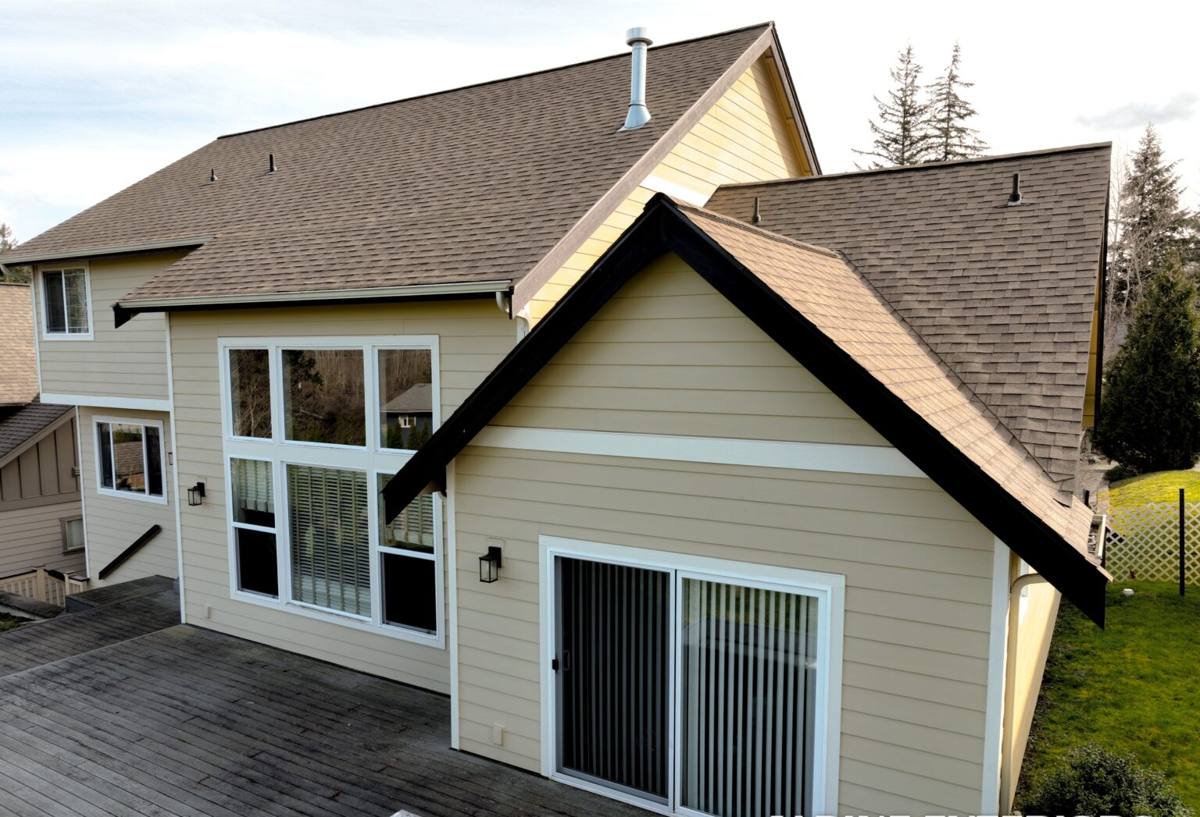
Signs a Cordata Home Is Overdue for Window Work
Because moisture problems in this climate develop gradually, homeowners often live with early warning signs for years before addressing them. Common ones we see on service calls in this area include:
- Condensation or fogging between the panes of a double-pane window (a sign the seal has failed)
- Soft or discolored wood trim around the window opening, especially on the side that takes the most weather
- Visible moss or dark streaking on sills and exterior casing
- Noticeable drafts near the frame during windy, wet weather
- Windows that are difficult to open, close, or lock — often a sign the frame has shifted or swollen
- Higher heating bills without a clear explanation
Any one of these on its own might just mean a repair. Several together, especially on an older single-pane or original-builder-grade window, usually means it's time to talk about replacement.
What a Correct Window Installation Actually Involves
A window looks like a simple swap from the outside — old unit out, new unit in. The part that determines whether it lasts happens where you can't see it: the flashing, the sealing, and the connection between the window and the wall assembly behind it.
Flashing and Water Management
Every window opening needs a flashing system that directs water down and out, never inward or trapped behind the siding. That means the correct layering order — flexible flashing tape at the sill, up the jambs, and over the head flange, integrated with the home's weather-resistant barrier — so water always has somewhere to go besides into the wall cavity. This is the single most common point of failure we find when we open up an older window opening in this area: house wrap that was cut wrong, flashing that was skipped, or sealant used in place of proper flashing.
Insulation and Air Sealing
The gap between the window frame and the rough opening needs to be insulated and air-sealed without over-packing it, which can bow the frame and cause operational problems. Done right, this step is a big part of why a well-installed window performs so much better for comfort and energy use than the one it replaced — even if the glass itself is similar.
Trim, Sealant, and Finish Work
Exterior trim and sealant are the last line of defense, not the first. In a region with this much rain, we treat exterior sealant as maintenance-critical — it should be inspected periodically, not assumed to last forever.
Choosing a Window Material for Whatcom County Conditions
There's no single "best" window material for every home — the right choice depends on your home's age, siding type, sun exposure, and budget. Here's how the common options generally compare for a marine, high-moisture climate like Cordata's:
| Material | Moisture Resistance | Maintenance | Typical Lifespan |
|---|---|---|---|
| Vinyl | Very good — won't rot, resists salt air well | Low; occasional cleaning | Long-lasting with proper installation |
| Fiberglass | Excellent — very stable in temperature and moisture swings | Low | Long-lasting, holds up well over time |
| Wood (unclad) | Requires diligent upkeep in this climate | High — regular painting/sealing needed | Depends heavily on maintenance |
| Wood-clad (aluminum or vinyl exterior) | Good — exterior shell protects the wood core | Moderate | Long-lasting if cladding stays intact |
| Aluminum | Fair — can conduct cold and condensate more in our winters | Low | Durable but less thermally efficient |
As a matter of professional standard, we lean toward vinyl and fiberglass for most Cordata-area homes because they hold up to sustained damp weather with the least ongoing upkeep. Unclad wood windows can still be the right call for certain historic or architectural projects — we just make sure homeowners go in knowing the maintenance commitment that comes with them.
Our Window Installation Process
The steps don't change much from house to house, but the details we watch for shift depending on the home's age and construction. Here's the general flow:
- On-site assessment — we look at the existing window, the condition of the rough opening, siding type, and any signs of past water intrusion before quoting the job.
- Careful removal — the old window and any compromised trim or sheathing come out without damaging surrounding siding more than necessary.
- Opening inspection and repair — if we find soft sheathing, missing flashing, or old water damage behind the window, we address it before the new unit goes in. Installing a new window over a hidden problem just delays and hides that problem.
- Flashing and installation — the new window is set, shimmed level and square, flashed properly, and insulated around the frame.
- Exterior finish — trim, sealant, and any siding tie-in work are completed to shed water correctly.
- Final check — we test operation, look for gaps, and walk the job with the homeowner before calling it done.
What Affects the Cost of Window Installation Here
Every home is different, so we don't quote pricing sight unseen, but the main factors that move the number up or down are consistent across most Cordata projects:
| Factor | Why It Matters |
|---|---|
| Number and size of windows | More glass and larger openings mean more material and labor |
| Window material and glass package | Vinyl vs. fiberglass vs. wood-clad, plus glass coatings, changes unit cost |
| Condition of the existing opening | Hidden rot or old flashing failures add repair time before installation can proceed |
| Access and home height | Second-story or hard-to-reach windows take more time and equipment |
| Siding tie-in complexity | Matching or patching siding around a new opening size affects labor |
As a general range, straightforward single-window replacements tend to run lower, while full-home window replacement projects scale up with the number of openings and any repair work uncovered along the way. We give homeowners a real number after we've actually looked at the openings — not a phone quote based on square footage alone.
Why It Matters to Hire a Crew That Already Works in This Area
Window installation technique doesn't fundamentally change from one region to another, but the margin for error does. A flashing detail that's "good enough" in a dry climate can lead to a rotted sill within a few winters here. A crew that regularly works Ferndale and the surrounding Whatcom County communities, including Cordata, already knows which construction era of home tends to have which hidden issues, how local siding types respond to being opened up, and how to sequence the job around our rain patterns instead of getting caught mid-installation by a downpour. That familiarity shows up in fewer surprises and fewer callbacks — not in anything flashy, just in the job being done right the first time.
Keeping New Windows Performing in a Marine Climate
A correct installation is the foundation, but a little routine attention keeps windows performing for the long haul in this climate. We recommend homeowners keep an eye on:
- Exterior sealant/caulk joints — check annually for cracking or gaps, especially after a hard winter
- Weep holes on vinyl and fiberglass frames — keep them clear of debris and moss so water can drain out
- Screens and tracks — clean out accumulated moss and grit so windows continue to operate smoothly
- Trim and sill areas — look for soft spots, peeling paint, or discoloration that could signal a developing leak
- Condensation between panes — a sign of seal failure that won't resolve on its own and typically means the glass unit needs replacing
Catching small issues early is far less costly than dealing with hidden rot years later.
Get a Straightforward Estimate for Your Cordata Home
If your windows are showing their age, drafty, fogged, or just due for an honest look, we're happy to come take a look and give you a clear, no-pressure estimate — including what we find in the opening itself, not just the window unit. Use the form below to get started.