 Ferndale
 Why Birch Bay Puts More Stress on Windows Than Most of Whatcom County
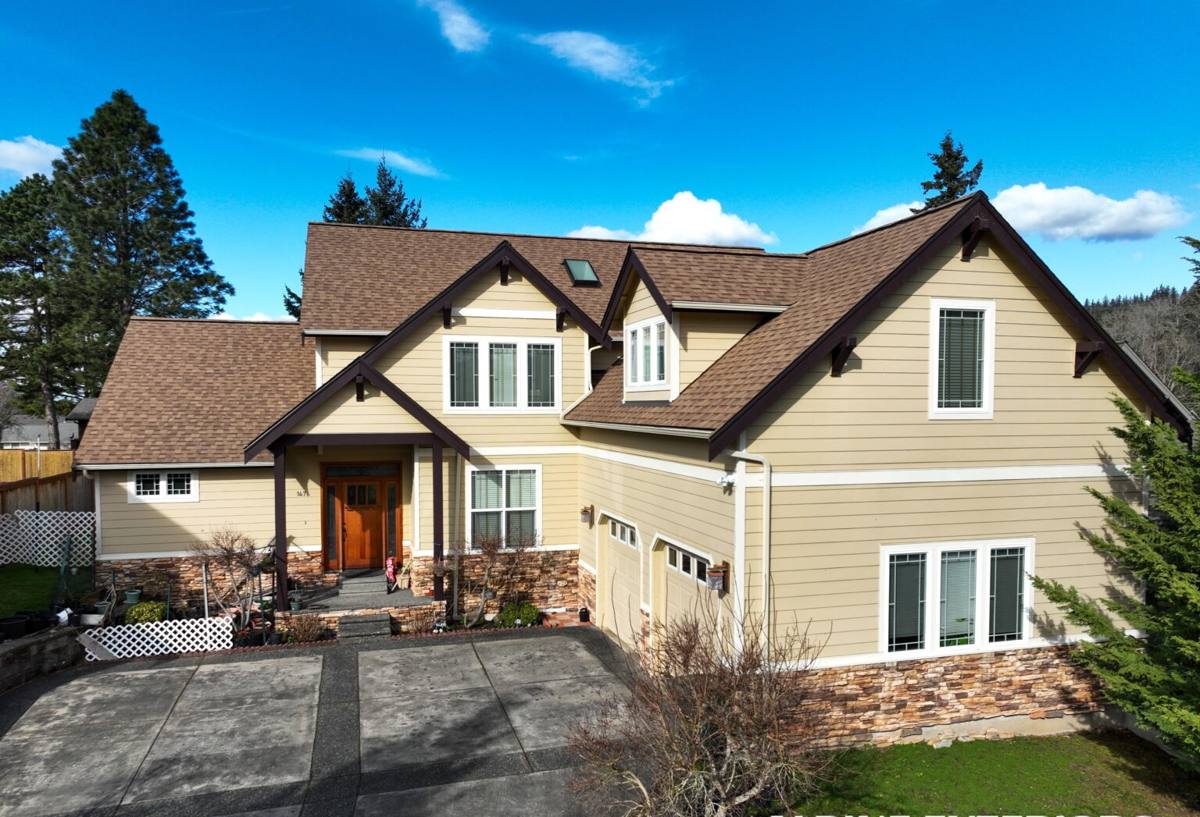
Birch Bay sits right on the water, which means homes here take a different kind of weathering than houses just a few miles inland in Ferndale. Wind comes off the bay carrying salt spray, and it hits window frames, hardware, and seals directly rather than being broken up by tree lines or other buildings the way it might be further from shore. Add in the region's driving winter rain and the long, damp moss season that coats north- and west-facing surfaces for months at a time, and you've got a combination that ages windows faster than a typical inland install.
None of this means Birch Bay is a bad place for windows — it just means the windows, the seals, and the installation details matter more here. A window that would coast along for 25 years in a sheltered inland yard might show real wear in half that time on a waterfront-exposed wall.
What Salt Air, Rain, and Moss Actually Do to a Window Over Time
Corrosion and Hardware Wear
Salt in the air is conductive and mildly corrosive. It settles on metal hardware — hinges, cranks, locks, and especially aluminum frames or cladding — and speeds up oxidation. You'll often see this first as stiff or sticky operation, then as pitting or white corrosion residue on metal parts that used to move smoothly.
Seal Failure and Fogging
Every insulated window depends on a sealed gap between panes of glass. Constant moisture cycling — wet, dry, wet again — stresses that seal faster than a stable, dry climate would. Once it fails, moisture gets between the panes and you get permanent fogging or condensation that no amount of cleaning fixes.
Wood Rot and Frame Swelling
On older wood-framed windows, prolonged dampness and the moss and algae growth that comes with it hold moisture against the wood longer than it takes to dry out between rains. That leads to swelling, sticking sashes, soft spots, and eventually rot at the sill and corners — usually starting on the side of the house that gets the most weather off the bay.
Signs a Birch Bay Home Needs Window Replacement
Not every issue means full replacement — some are fixable with maintenance or a repair. But if you're seeing several of these together, it's worth having someone look at the whole window, not just the symptom:
- Persistent fogging or a visible film between the panes of glass
- Windows that are hard to open, close, or lock, especially after being fine a year or two ago
- Visible corrosion or white residue on metal frames, hinges, or hardware
- Soft, discolored, or swelling wood at the sill, corners, or bottom rail
- Moss, algae, or black staining building back up soon after cleaning
- Noticeable drafts or a cold spot near the window even with it fully closed
- Condensation forming on the inside of the glass regularly during winter
- Visible gaps between the frame and the siding or trim
Choosing a Framing Material for a Coastal Whatcom County Home
The framing material matters more here than it would in a drier, more sheltered location, because it's the part of the window taking the brunt of salt exposure and moisture cycling year after year.
| Framing Material | Salt/Moisture Resistance | Maintenance Needed | Typical Fit for Birch Bay |
|---|---|---|---|
| Vinyl | Very good — won't corrode or rot | Low; occasional cleaning | Strong all-around choice for coastal exposure |
| Fiberglass | Excellent — dimensionally stable in wet/dry cycling | Low | Good for higher-exposure walls facing the bay |
| Aluminum | Fair — prone to corrosion and pitting near salt air | Moderate to high | Usually not our first recommendation this close to the water |
| Wood / Wood-clad | Weakest without diligent upkeep | High — regular painting/sealing required | Workable inland, higher-risk directly on the bay |
We don't install every material in every situation — if a homeowner wants a look that only comes in a less weather-tolerant framing, we'll say so plainly and talk through what that means for upkeep, rather than just installing it and letting it become a problem in a few years.
What a Correct Installation Involves in a Driving-Rain Climate
Flashing and Water Management
The window itself is only part of the system — how water is directed around and away from the opening is what actually keeps a wall dry. Proper flashing, correctly lapped so water sheds outward and down rather than behind the siding, is non-negotiable in a place that gets sustained, wind-driven rain rather than just occasional showers.
Sealing and Insulation
Gaps around the frame need to be sealed and insulated correctly — not overpacked with foam, which can bow the frame, and not left with voids, which invite drafts and condensation. This is a detail that's easy to rush and hard to fix later without pulling trim back off.
Fit and Structural Prep
We check the rough opening for square and for any hidden rot or soft framing before the new window ever goes in. Setting a new window into a compromised opening just hides the problem — and in a house near the water, that problem doesn't stay hidden long.
Our Window Replacement Process
- On-site assessment — we look at each window's condition, the wall's exposure to wind and rain, and what's driving the problem, not just what's visible from inside.
- Product selection — we walk through framing material, glass package, and style options suited to that specific wall's exposure, with honest tradeoffs on cost and maintenance.
- Careful removal — old windows come out cleanly, and we inspect the opening for rot or damage before anything new goes in.
- Installation — proper flashing, sealing, and fastening, done to manufacturer specifications so the warranty stays intact.
- Finish work — trim, caulking, and cleanup so the result looks finished inside and out, not just functional.
- Walkthrough — we go over operation and care with you before we consider the job done.
Why It Matters to Hire a Crew That Already Works in Birch Bay
Window replacement isn't identical everywhere in Whatcom County. A crew that mostly works sheltered inland neighborhoods may not think twice about flashing details or framing material choices that matter a lot more on a wall taking direct wind and salt off the bay. Working in Birch Bay regularly means we've seen how these homes actually age — which walls fail first, which materials hold up, and which shortcuts show up as problems a few winters later.
There's also a practical side: depending on the scope of the work, Whatcom County permitting may come into play, and a local crew can walk you through that instead of leaving you to figure it out. And if a question comes up after the job — a seal that seems off, a piece of trim that needs a second look — being close by means it's a quick visit, not a scheduling headache.
What Affects the Cost of Window Replacement
Every home is different, so we don't quote sight unseen — but these are the main factors that move the number up or down:
| Factor | Why It Matters |
|---|---|
| Number of windows | More units means more labor and material, but often a better per-window rate |
| Framing material | Vinyl and fiberglass price differently, with fiberglass typically running higher |
| Glass package | Double-pane vs. triple-pane, and low-E or impact-rated glass, change both cost and performance |
| Installation type | Full-frame replacement (into the studs) costs more than an insert replacement but corrects hidden rot or framing issues |
| Trim and sill condition | Rotted trim or sills found during removal add material and labor to repair properly |
| Access | Second-story or hard-to-reach windows take more time and equipment |
As a broad range, homeowners in this area typically see per-window installed costs somewhere in the low-to-mid four figures for standard vinyl replacement, moving higher for larger openings, upgraded glass, or full-frame work — but the only way to get a number that means anything is to have someone look at your actual windows and walls.
Let's Take a Look at Your Windows
If your Birch Bay home is showing any of the wear we've described — sticky hardware, fogged glass, drafts, or moss creeping back faster than you can clean it off — it's worth getting an honest, no-pressure look before winter's next round of rain and wind. Use the form below to request a free estimate, and we'll walk the property with you and talk through what actually makes sense for your home.