 Ferndale
 Windows in Sudden Valley Face a Specific Set of Problems
Sudden Valley homes take a beating that's different from what you'd deal with in a drier climate. Whatcom County sits under a long stretch of wet weather every year, and this part of Washington adds its own wrinkle: salt-laden air drifting in off the water, driving rain that hits windows sideways during winter storms, and a moss season that seems to stretch longer every year. None of that is dramatic on its own, but stacked up over a decade or two, it's exactly what wears out window seals, frames, and glazing.
We're a Ferndale-based crew, and Sudden Valley is part of our regular service area — not a stretch job we drive out to once a year. That matters for window replacement more than people expect, because so much of getting it right depends on understanding how a specific local climate actually behaves against a specific type of window, not just what a manufacturer's brochure says.
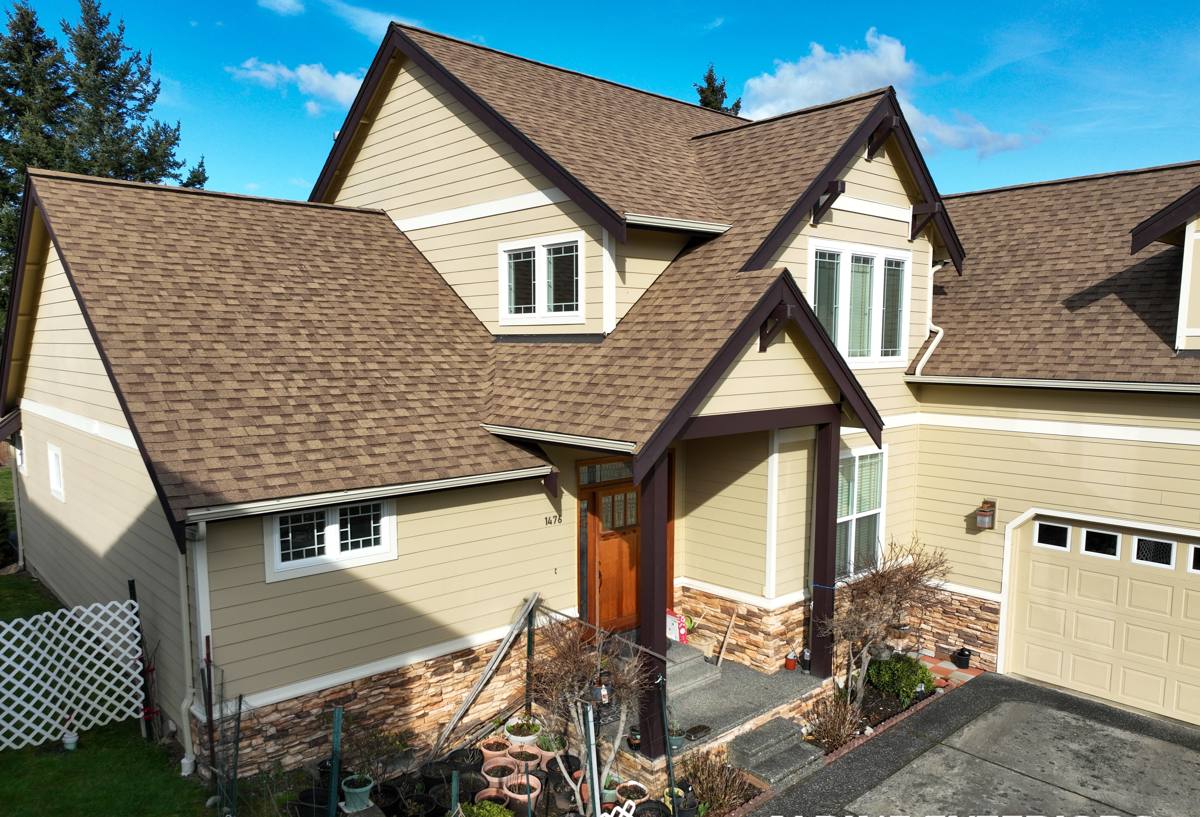
How the Local Climate Actually Damages Windows
Salt Air and Metal Fatigue
Coastal-influenced air carries fine salt particles that settle on window frames, hardware, and especially aluminum components. Over years, this accelerates corrosion on hinges, balances, and lower-quality cladding. It's slow and easy to ignore until a window won't latch properly or the frame starts pitting.
Driving Rain and Wind-Driven Water
Storms here don't always come straight down — wind pushes rain sideways into window assemblies, which puts real pressure on flashing details and seals that a calmer climate would never test. A window installed without proper flashing might look fine for a year or two before water starts finding its way behind the trim.
Moss, Mildew, and Prolonged Dampness
A long wet season means wood trim, sills, and surrounding siding stay damp longer than in most parts of the country. Moss doesn't just grow on roofs — it takes hold on north-facing sills and shaded window trim, holding moisture against the wood and paint far longer than a quick rain shower would.
Signs Your Windows Have Reached the End of Their Service Life
- Fogging or a hazy film between panes of double-pane glass — the seal has failed and the gas fill is gone
- Drafts you can feel near the frame even when the window is fully latched
- Wood trim or sills that feel soft, spongy, or show dark staining
- Windows that are difficult to open, close, or lock — often from swelling, corrosion, or warped frames
- Visible daylight or gaps around the frame from outside
- A noticeable jump in heating costs without another clear explanation
- Condensation forming on the inside of the glass regularly during colder months
Any one of these on its own might be a minor fix. Several at once usually means the window unit itself, not just the caulking, has reached the point where replacement is the more honest answer than another repair.
What a Correct Window Replacement Job Actually Involves
Window replacement gets treated like a simple swap — old window out, new window in. Done right, it's more involved than that, especially in a climate that punishes shortcuts.
Removing the Old Unit Without Damaging the Opening
The old window and its trim come out carefully so we can actually see the condition of the rough opening underneath — the framing, sheathing, and any existing flashing. This is often where hidden rot or water damage from years of exposure shows up, and it needs to be addressed before a new window ever goes in.
Flashing and Weatherproofing
This is the step that matters most in a wind-driven-rain climate and the one most likely to get skipped by a crew in a hurry. Proper flashing — installed in the correct order with the water-resistive barrier — directs water down and away from the wall assembly instead of letting it collect behind the trim. Skip this, and even a high-quality window will eventually leak.
Setting the Window Plumb, Level, and Square
A window that isn't set correctly will bind, won't seal fully, and puts uneven stress on the frame that shortens its life. Shimming and fastening correctly takes more time than eyeballing it, but it's the difference between a window that operates smoothly for decades and one that starts sticking within a few years.
Sealing and Insulating the Gap
The small gap between the window frame and the rough opening needs to be insulated and sealed correctly — not overpacked with expanding foam, which can bow the frame, and not left with gaps that let air and moisture through.
Interior and Exterior Finish Work
Trim, caulking, and paint or stain get finished to match the surrounding wall, and everything is cleaned up so the job looks like part of the house, not a repair patched onto it.
Choosing the Right Frame Material for This Climate
There's no single "best" window material — there's a best fit for your home, your budget, and how much long-term maintenance you're willing to take on. Here's how the common options hold up against Whatcom County conditions specifically.
| Frame Material | How It Handles Salt Air & Rain | Maintenance | Typical Trade-Off |
|---|---|---|---|
| Vinyl | Doesn't corrode; handles moisture well | Low — occasional cleaning | Limited color/finish options; can flex in very large sizes |
| Fiberglass | Excellent resistance to moisture and salt exposure; very stable | Low | Higher upfront cost than vinyl |
| Wood-Clad | Cladding protects exterior, but any breach exposes wood to rot | Higher — exterior cladding needs inspection over time | Best interior look; more vulnerable if seals fail |
| Aluminum | Prone to pitting and corrosion in salt-influenced air over time | Moderate | Strong and slim sightlines, but our least-recommended option for this specific climate |
We're not going to tell you a window brand is "bad" — most reputable manufacturers make a solid product. Where we do push back is on frame materials that historically struggle against salt exposure and prolonged dampness, because we've seen how that plays out on real houses in this area over ten and fifteen years, not just in a showroom.
Our Process, From Estimate to Cleanup
- On-site assessment — we look at your current windows, the condition of the openings, and how your home is oriented relative to weather exposure.
- Honest recommendation — we'll tell you if all your windows need replacing now or if some can reasonably wait.
- Written estimate — clear pricing, materials, and timeline, no vague allowances.
- Removal and inspection — old units come out, and we flag any hidden rot or damage before proceeding.
- Installation — proper flashing, shimming, insulating, and sealing, done in sequence, not skipped for speed.
- Finish work and cleanup — trim, paint-ready surfaces, and a clean site when we leave.
Why a Crew That Already Works in Sudden Valley Matters
Window replacement done well depends on judgment calls that a generic checklist doesn't cover — how much exposure a particular wall gets, whether a home's age suggests a certain kind of rough-opening problem, how the local weather pattern typically finds its way into a poorly sealed unit. A crew that regularly works in Sudden Valley and the surrounding Ferndale area has already seen how these houses age in this specific environment. That's not something you can substitute with a national warranty or a slick brochure.
It also means we're not disappearing after the invoice clears. If a callback is needed, we're a short drive away, not a phone number routed to a call center in another state.
Questions Worth Asking Any Contractor Before You Hire
- Are you licensed and insured to work in Washington state?
- Who actually performs the flashing and weatherproofing — your own crew or a subcontractor?
- What's the warranty on labor, separate from the manufacturer's warranty on the window itself?
- Can you walk me through how you'll handle the rough opening if you find rot or water damage?
- Do you have references from work done in this specific area, not just general reviews?
Keeping New Windows Performing for the Long Haul
A correctly installed window still benefits from a little upkeep in this climate. Rinse salt residue off frames and hardware periodically, especially on sides of the house most exposed to wind. Keep an eye on sills and trim for early moss growth and clean it off before it holds moisture against the surface. Check that weep holes — the small drainage openings at the bottom of the frame — stay clear of debris so water can actually drain instead of pooling.
Ready When You Are
If your windows are fogging, drafty, sticking, or just past their reasonable service life, it's worth getting a straight answer about what's actually going on before you decide anything. We offer free, no-pressure estimates for Sudden Valley homeowners — use the form below to get started.