 Ferndale
 Roofing Built for Semiahmoo's Coastal Conditions
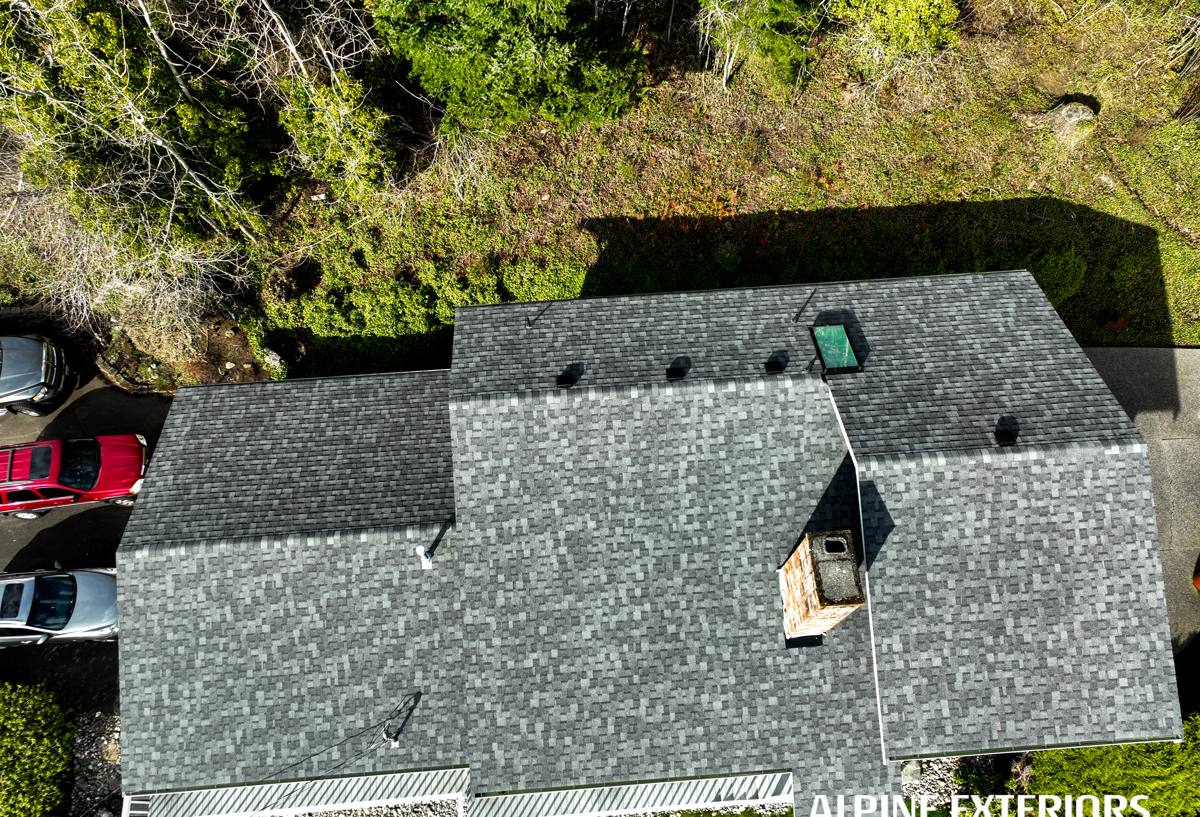
Semiahmoo sits right where Whatcom County meets the water, and that location shapes everything about how a roof ages here. Homes along the spit and the surrounding shoreline take on salt-laden air, near-constant winter moisture, and long stretches of shade that never quite dry out. A roof that would last two or three decades a few miles inland can show real wear much sooner out here if it wasn't built or maintained with those conditions in mind. We've replaced roofs across this stretch of the county long enough to know which materials and details actually hold up against salt air and driving rain, and which ones just look good on install day.
This page covers what a roof replacement in Semiahmoo actually involves: what the climate does to different roofing systems, what a correct tear-off and install looks like, how we run the job, and what questions to ask before you hire anyone.
What Salt Air and Moss Actually Do to a Roof
Salt Air and Metal Fasteners
Airborne salt from Semiahmoo Bay accelerates corrosion on any exposed metal — nail heads, flashing, vent boots, gutter hardware. Standard galvanized fasteners can start showing rust streaks years before an inland roof would. This isn't a defect in the roof itself; it's a predictable outcome of the environment, and it's why fastener and flashing selection matters more here than in most parts of Whatcom County.
Driving Rain and Wind-Driven Water
Storms off the water don't just drop rain straight down — wind pushes it sideways, under shingle tabs, around poorly lapped flashing, and into any gap that a calmer climate would never test. Roofs here need underlayment and flashing details that assume water will be pushed uphill at some point, not just gravity-fed downhill.
Moss and Shade
Whatcom County's long moss season is no secret, and Semiahmoo's tree cover and marine humidity keep roof surfaces damp longer through fall, winter, and spring. Moss holds moisture against the roofing material, works into laps and seams, and can lift shingle edges over time. Roofs with poor airflow or heavy shade need moss-resistant materials and a maintenance rhythm that lighter-shaded roofs can skip.
Signs a Semiahmoo Roof Needs Replacing, Not Patching
- Granule loss showing bare asphalt on multiple slopes, especially south- and west-facing ones exposed to weather
- Curling, cupping, or cracked shingles across a wide area rather than one isolated spot
- Soft or spongy decking felt underfoot in the attic or during a walk-across inspection
- Rusted or failing flashing around chimneys, skylights, and roof-to-wall transitions
- Persistent moss growth that returns within a season or two of cleaning
- Daylight visible through the roof deck from inside the attic
- Interior water stains on ceilings or attic framing, even faint or old-looking ones
- Shingle grit collecting in gutters after normal rain, not just after wind events
Any one of these on its own might mean a repair is enough. Several together, or a roof past 20-25 years old, usually means the cost of chasing repairs will outrun the cost of a properly done replacement.
What a Correct Roof Replacement Involves
Full Tear-Off, Not Layering
We remove the existing roofing down to the deck rather than layering new material over old. Layering hides deck damage, traps moisture between layers, and voids most manufacturer warranties outright. In a coastal, moss-prone area like Semiahmoo, hidden deck rot under an old roof is common enough that we treat tear-off as non-negotiable.
Deck Inspection and Repair
Once the old roofing is off, we inspect the decking for soft spots, delamination, and rot — usually concentrated near valleys, eaves, and old flashing points where water has been getting in slowly for years. Any compromised sheathing gets replaced before anything new goes down. Skipping this step is one of the most common shortcuts in the industry, and it's the one that causes the most expensive failures later.
Underlayment Suited to the Climate
Given how much wind-driven rain Semiahmoo sees, we favor synthetic or ice-and-water shield underlayment at eaves, valleys, and penetrations rather than relying on standard felt alone. This is the layer that protects the deck if wind ever pushes water under the roofing surface — cutting corners here doesn't show up as a problem until the first real storm exploits it.
Flashing and Fasteners That Resist Salt Corrosion
Chimney flashing, step flashing, valley metal, and vent boots all get upgraded materials appropriate to a marine environment, and we pay close attention to fastener selection so corrosion doesn't become a five-year problem instead of a twenty-year one.
Ventilation That Fights Moss and Moisture
Balanced intake and exhaust ventilation keeps the underside of the roof deck drier and the shingle surface cooler, which slows both moss growth and premature aging. A roof replacement is the right time to fix ventilation gaps, since the deck is already exposed and accessible.
Roofing Material Options for Semiahmoo Homes
| Material | How It Handles Salt Air & Moss | Typical Lifespan Here | Trade-Offs |
|---|---|---|---|
| Architectural asphalt shingle | Good with proper flashing and corrosion-resistant fasteners; moss-resistant algae-shield options available | 20-30 years | Needs periodic moss treatment on shaded slopes; most cost-effective option |
| Standing seam metal | Excellent once coated fasteners and proper panel finish are used; sheds moss better due to smooth, steep-shedding surface | 40-50+ years | Higher upfront cost; installation quality is critical — poor seam or fastener work fails faster near salt air |
| Composite/synthetic shingle | Strong moisture and moss resistance; doesn't absorb water like organic materials | 30-50 years | Cost sits between asphalt and metal; product availability varies by manufacturer |
| Wood shake | Struggles in sustained shade and moisture — needs diligent maintenance to resist moss and rot | 15-25 years with upkeep | Highest maintenance burden in this climate; we're honest with clients about that before they commit |
We don't push one material on every home. The right choice depends on how much shade and salt exposure the roof actually sees, the home's structure, and what the homeowner wants to spend on upkeep versus upfront cost.
What Drives Roof Replacement Cost in Semiahmoo
- Roof size and pitch — steeper roofs take longer to work safely and use more material per square
- Number of layers to remove — tear-off labor scales with how much old material is coming off
- Deck condition — hidden rot found after tear-off adds material and labor that can't be fully known until the old roof is off
- Material choice — asphalt, composite, and metal carry different material and labor costs
- Flashing and penetration count — chimneys, skylights, and multiple roof planes add detail work
- Access and site conditions — tree cover, steep lots, and limited staging space common near the shoreline can affect labor time
Because deck condition is often the biggest wildcard, we give homeowners a clear estimate range up front and communicate immediately if tear-off reveals something that changes the scope — never a surprise on the final invoice.
Our Process on a Semiahmoo Roof Replacement
1. On-Site Inspection and Estimate
We walk the roof, check the attic where accessible, and assess flashing, ventilation, and deck condition before quoting anything. This is also when we talk through material options based on how exposed the roof is to wind, salt, and shade.
2. Written Scope and Schedule
You get a clear, itemized scope — materials, underlayment, flashing details, and timeline — before any work starts. No verbal-only agreements.
3. Tear-Off and Deck Assessment
Old roofing comes off, the deck gets inspected in daylight, and we flag any repairs needed before moving forward.
4. Underlayment, Flashing, and Roofing Installation
Installed in the sequence that actually protects the home — underlayment first, then flashing details at every transition, then the roofing material itself, following manufacturer specifications closely enough to keep warranties intact.
5. Cleanup and Final Walkthrough
Job site debris, old materials, and stray fasteners get cleared — magnet-swept where needed — and we walk the finished roof with you before calling it done.
Why a Crew That Already Works Semiahmoo Matters
A roofer who mostly works drier, inland areas can still do competent work, but they may not default to the flashing details, fastener choices, and ventilation planning that a marine-exposed, moss-heavy environment like Semiahmoo actually needs. We work across Whatcom County, including this stretch near the water, and we build our estimates and material recommendations around what actually holds up here — not a generic spec sheet. That local familiarity also means we know what permitting and inspection expectations look like locally, so there are no surprises mid-project.
Maintaining a New Roof in a Salt-Air, High-Moss Climate
- Have moss growth removed gently, without pressure-washing the shingle surface, once it appears
- Keep gutters clear so water isn't sitting against eaves and fascia longer than necessary
- Trim back overhanging branches where possible to reduce shade and debris buildup
- Schedule a flashing and fastener check every few years, since these are the components salt air affects first
- Address any small leak signs immediately — in this climate, small issues don't stay small for long
If your Semiahmoo roof is showing its age, or you just want an honest read on whether repair or replacement makes more sense, we're glad to take a look. A free, no-pressure estimate is a low-effort way to find out exactly where your roof stands — use the form below to get started.