 Ferndale
 Metal Roofing on Sandy Point: A Different Set of Rules Than Inland Ferndale
Sandy Point sits close enough to the water that its roofs live a different life than a roof five or ten miles inland in Ferndale. The salt-laden air off the Strait, the wind-driven rain that comes sideways instead of straight down, and a moss season that runs long and wet all put extra stress on roofing materials that were never built with a shoreline in mind. Metal roofing, done correctly, handles all three of those conditions better than most alternatives — but "done correctly" is doing a lot of work in that sentence. The fasteners, flashing details, and coating choices that hold up two blocks from the water are not the same ones that hold up on a dry inland lot, and a crew that only occasionally works this close to the coast can miss that.
This page is about what a metal roof needs to actually perform at Sandy Point, what a correct installation looks like, and why local, repeat experience in this specific stretch of Whatcom County matters more than it would somewhere drier.
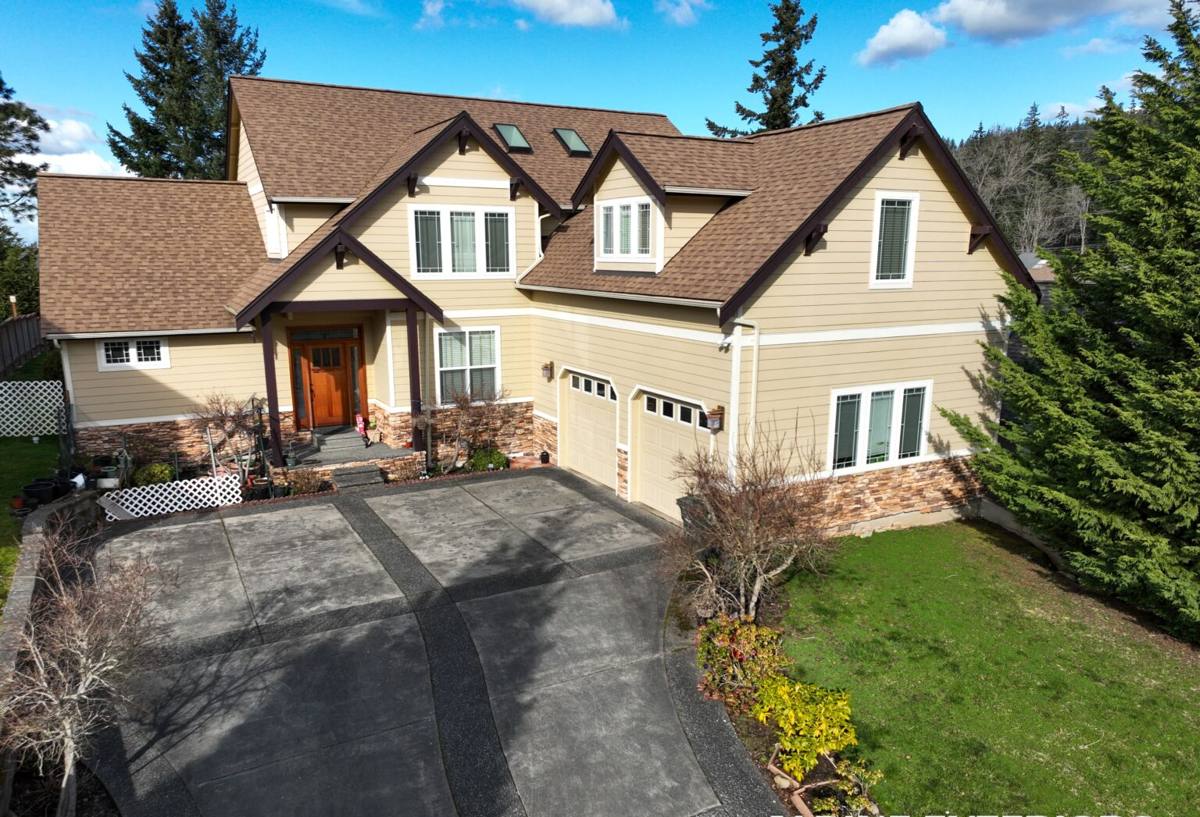
What the Sandy Point Environment Actually Does to a Roof
Salt Air and Corrosion
Airborne salt doesn't need direct ocean spray to cause problems — it travels on the wind and settles on any exposed metal, fastener head, or cut edge. Over years, salt exposure accelerates corrosion on lower-grade fasteners, unsealed cut edges, and any place where two dissimilar metals touch and start a galvanic reaction. None of this happens overnight, which is exactly why it's easy to underestimate. A roof that looks fine in year three can be showing rust streaks and fastener failure by year eight if the wrong hardware went in.
Driving Rain
Wind off the water pushes rain sideways and upward under flashing, ridge caps, and panel laps in a way that straight-down rain never tests. Standard lap and fastening details that are adequate inland can leak at Sandy Point specifically because the wind pressure differential pulls water where gravity alone wouldn't take it. This is one of the most common reasons a homeowner sees a leak at a valley or wall-to-roof transition on a coastal-adjacent property when the same roof, built the same way, would be dry a few miles inland.
Long Moss Season
Whatcom County's wet season already runs long, and shaded, north-facing, and low-slope sections of a roof near Sandy Point stay damp even longer thanks to the marine air. Moss and organic growth don't damage metal roofing the way they damage shingles, but growth at seams, around fasteners, and in valleys traps moisture against the surface and can accelerate coating breakdown over time if it's left unaddressed.
Why Metal Is a Strong Fit for This Specific Location
Metal roofing is a good match for Sandy Point's climate profile precisely because it addresses the three issues above, when specified correctly:
- Steep-slope metal sheds wind-driven rain faster than the sitting-water conditions moss thrives in
- Correctly coated steel or aluminum resists moss growth far better than shingle roofing
- Modern factory finishes are formulated specifically for coastal salt exposure, when the right finish is chosen for the location
- Long panel runs mean fewer horizontal seams for wind-driven rain to work into
- A properly fastened system stands up to the wind loads common on exposed coastal lots
None of that is automatic, though. It's the difference between a metal roof and a correctly specified metal roof for this particular environment.
What a Correct Sandy Point Metal Roof Installation Involves
Fastener and Hardware Selection
This is the single biggest variable in how long a metal roof lasts near the water. Fasteners, flashing, and trim all need to be rated for coastal or marine-grade exposure, not standard-grade hardware. Mixing metals without proper isolation — for example, the wrong fastener against the wrong panel alloy — sets up galvanic corrosion that can show up as staining and pitting well before the panel itself would have failed on its own.
Underlayment and Flashing
Because wind-driven rain at Sandy Point can push moisture uphill under laps and around penetrations, underlayment quality and flashing detail matter more here than on a sheltered inland roof. Valleys, wall-to-roof transitions, chimney and vent penetrations, and eave details all need to be built assuming water will be pushed at them from an angle, not just falling straight down.
Panel and Coating Choice
Factory finishes vary in how well they hold up to salt air over decades. We choose panel and coating systems rated for coastal exposure and explain the trade-offs honestly — a marine-rated finish costs more up front, but it's the difference between a roof that still looks and performs correctly at year 20 versus one that shows chalking, fading, or edge corrosion well before then. We won't put a roof-grade product on a coastal home just because it's a lower up-front number; that's a maintenance and warranty problem we'd rather explain now than have you discover later.
Ventilation
Trapped attic moisture combined with marine humidity is a recipe for condensation issues underneath the roof deck, not just on top of it. Correct ridge and soffit ventilation keeps that moisture moving instead of sitting against the underside of the panels.
Metal Roofing Options for a Sandy Point Home
| Factor | Standing Seam Steel | Exposed-Fastener Steel | Aluminum |
|---|---|---|---|
| Coastal corrosion resistance | Very good with marine-rated coating | Good, but exposed fasteners are the weak point over time | Naturally corrosion-resistant, strong coastal choice |
| Wind-driven rain performance | Excellent — hidden clips, no exposed fastener paths | Adequate if installed with correct sealing at every fastener | Excellent in standing-seam profile |
| Long-term maintenance | Low | Moderate — fastener washers age and need periodic checking | Low |
| Upfront cost | Higher | Lower | Higher |
| Best fit | Homes closest to the water or fully exposed to wind | Budget-conscious projects set back from direct exposure | Homes prioritizing long-term corrosion resistance |
None of these are wrong choices in general — the right one depends on how exposed a specific lot is, the roof's slope and complexity, and budget. We walk through this trade-off with every Sandy Point homeowner rather than defaulting to one product.
Our Process
- On-site assessment: we look at slope, exposure direction, existing flashing conditions, ventilation, and any moss or moisture staining already present
- Honest scope and material recommendation: we explain which panel and fastener grade fits the home's actual exposure, not a one-size-fits-all pitch
- Tear-off and deck inspection: we check the deck for any moisture damage before new material goes down — this is where hidden problems get caught early
- Underlayment and flashing installation: built for wind-driven rain, not just standard drainage
- Panel installation: correct fastener spacing, marine-grade hardware, and attention to every penetration and transition
- Final walkthrough: we review the completed roof and explain any maintenance basics specific to a coastal-adjacent home
What Homeowners Should Ask Any Roofing Bid Near the Water
- Is the fastener and flashing hardware rated for coastal or marine exposure, specifically?
- What panel coating is being proposed, and is it rated for salt air exposure?
- How will valleys and wall transitions be detailed against wind-driven rain, not just gravity drainage?
- What does the workmanship warranty cover, separate from the manufacturer's material warranty?
- Has this crew done other roofs in this same area, and can they speak to how those details were handled?
Why a Local Crew Matters Here Specifically
A roofing crew that mostly works inland jobs isn't wrong about roofing in general — they're just less likely to default to coastal-grade hardware and detailing unless they stop to think about it, because most of their jobs don't require it. A crew that regularly works Sandy Point and the rest of Ferndale's coastal-adjacent neighborhoods builds marine-grade fasteners and wind-driven-rain flashing details into the bid from the start, because that's simply what the location calls for. That's not a marketing distinction — it shows up in fastener specs, flashing sequencing, and which panel coatings get recommended before the homeowner even has to ask.
We're a Ferndale-based crew, and Whatcom County's coastline is part of our regular service area, not an occasional exception. That familiarity means fewer surprises during the job and a roof that's specified correctly for where it actually sits, not for a generic Whatcom County lot.
Maintenance After Installation
A correctly installed metal roof at Sandy Point is low-maintenance, not no-maintenance. A simple annual check goes a long way:
- Rinse off accumulated salt residue and debris, especially after storm season
- Check valleys and low-slope sections for moss or organic buildup before it spreads
- Look at fastener heads and exposed trim for early signs of corrosion or loose hardware
- Clear gutters and downspouts so wind-driven rain has somewhere to go
Catching a small issue during a routine check is far cheaper than repairing water damage that's had a year or two to work its way into the deck.
If you're planning a metal roof for a Sandy Point property, we're glad to come take a look and give you a straightforward, no-pressure estimate — including an honest read on what your specific exposure calls for. Use the form below to get started.