 Ferndale
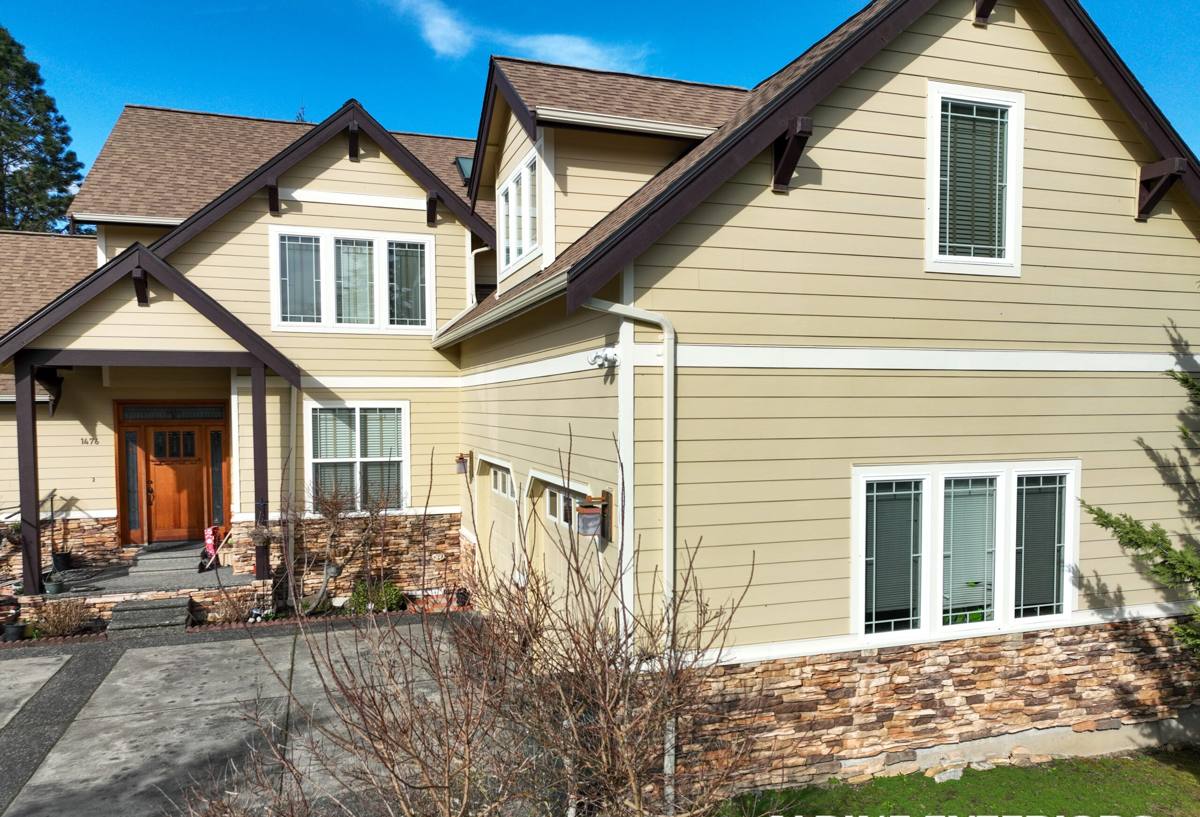
 Why Cordata Homes Need a Roof Built for This Climate
Cordata sits close enough to the water and far enough into the Pacific Northwest weather pattern that its roofs take a different kind of beating than roofs a few hundred miles inland. Homes here deal with salt-laden air drifting off Bellingham Bay, long stretches of driving, wind-blown rain, and a moss season that can run most of the year in shaded, north-facing sections of a roof. None of that is dramatic on its own, but stacked together year after year, it wears out the wrong roofing choices fast.
Metal roofing has become one of the most reliable answers to that combination for homeowners in and around Ferndale. It's not the right fit for every house or every budget, but for Cordata's mix of mature tree cover, damp winters, and coastal air, it solves problems that asphalt shingles struggle with long-term.
What Salt Air, Driving Rain, and Moss Actually Do to a Roof
These three factors don't act alone — they compound each other, and understanding how helps explain why certain roofing choices and installation details matter more here than in a drier climate.
Salt Air
Airborne salt accelerates corrosion on any exposed metal — fasteners, flashing, gutters, and roofing panels themselves if the wrong coating or fastener grade is used. It doesn't take a home right on the water to be affected; wind carries salt-laden moisture well inland, and homes throughout the Ferndale area see some exposure.
Driving Rain
Whatcom County doesn't just get a lot of rain — it gets a lot of wind-driven rain, which pushes water sideways and upward under laps, around penetrations, and into any gap that a calmer climate could get away with. Roofing systems here need to be detailed as if wind-driven water is the normal condition, not the exception.
Moss and Sustained Moisture
Shaded roof sections, especially under fir and cedar canopy common around Cordata, stay damp long after a storm passes. That moisture supports moss and algae growth, which holds water against the roof surface, degrades granules on asphalt shingles, and can work into seams and fastener penetrations over time if the roofing material and installation don't account for it.
Why Metal Roofing Performs Well in These Conditions
Metal roofing addresses each of those three stressors directly, which is why it's a common upgrade for Cordata homeowners replacing an aging asphalt roof:
- Corrosion resistance: Quality steel and aluminum panels use factory-applied protective coatings (like Galvalume or aluminum-zinc alloy coatings) specifically engineered to resist coastal salt exposure far longer than bare or lower-grade metal.
- Fewer places for wind-driven rain to get in: A properly installed metal roof has far fewer exposed seams than shingles, and standing seam systems in particular use interlocking panels with no exposed fasteners on the field of the roof — a real advantage in driving rain.
- A hard, smooth surface moss struggles to hold onto: Metal doesn't offer the porous surface that moss and algae root into the way shingle granules do. Moss can still collect debris and grow on a metal roof over time, but it's far easier to keep clean and doesn't degrade the roofing material the way it can with shingles.
- Long service life: A correctly installed metal roof can outlast two or more shingle roofs, which matters when you factor in the labor cost of re-roofing a home surrounded by tall trees.
Metal Roofing Options We Install
Not all metal roofing is the same, and the right choice depends on your home's roofline, budget, and how much you value a completely concealed fastener system versus a more economical option.
| Type | Fasteners | Best For | Typical Lifespan |
|---|---|---|---|
| Standing Seam | Concealed, interlocking panels | Homes prioritizing maximum weather-tightness and clean appearance | 40–70 years |
| Exposed-Fastener Panel | Screws through the panel face | Budget-conscious projects, outbuildings, some primary roofs | 25–40 years |
| Stone-Coated Steel | Concealed with interlocking tabs | Homeowners who want the profile of shingles or tile with metal's durability | 40–50+ years |
We're straightforward with clients about the trade-offs. Exposed-fastener panels cost less up front but rely on gasketed screws that can loosen or wear over decades and need periodic checking — a maintenance item worth knowing about before you buy. Standing seam costs more but removes that variable almost entirely, which is why it's our default recommendation for primary roofs in this climate. We'll walk through which option makes sense for your specific roof rather than pushing one system on every home.
What a Correct Metal Roofing Installation Actually Involves
Metal roofing fails prematurely far more often from installation mistakes than from the material itself. In a climate like Whatcom County's, a few details matter more than they would elsewhere:
- Underlayment: A high-temperature, self-adhering synthetic underlayment (not standard felt) beneath the panels as a secondary water barrier, since driving rain and ice-adjacent temperatures both stress this layer.
- Flashing at every penetration: Chimneys, vents, skylights, and wall transitions are where most leaks actually start — these need properly formed, integrated flashing, not just caulk.
- Fastener and panel compatibility: Using fasteners and flashing metals compatible with the panel material to avoid galvanic corrosion, which accelerates in salt air when dissimilar metals touch.
- Proper ventilation: Ridge and soffit ventilation that lets the roof deck breathe, reducing condensation buildup underneath the panels in our damp, temperate climate.
- Correct panel overlap and slope-specific detailing: Lower-slope sections of a roof need tighter seam spacing and different detailing than steep sections to shed wind-driven rain properly.
Our Process for Cordata Homeowners
Every metal roofing project we take on in the Cordata area follows the same basic sequence, adjusted for the specifics of your roof:
- On-site assessment: We inspect the existing roof, decking condition, ventilation, and any trouble spots — especially shaded or moss-prone areas — before recommending a system.
- Material and system selection: We go over panel type, gauge, and finish options based on your roofline, budget, and how long you plan to stay in the home.
- Written estimate: A clear scope of work and price, with no vague allowances hiding extra cost later.
- Tear-off and deck prep: Old roofing removed, decking inspected and repaired where needed — skipping this step is one of the most common shortcuts that leads to problems years later.
- Underlayment, flashing, and panel installation: Done in the sequence and detail level described above, not shortcuts appropriate for a drier climate.
- Final walkthrough: We review the finished roof with you, including how to spot early signs of debris buildup or moss before it becomes a problem.
Keeping Moss and Salt Air From Shortening Your Roof's Life
A metal roof needs far less upkeep than shingles, but "far less" isn't "none." A short annual routine goes a long way in this climate:
- Clear leaves, needles, and debris from valleys and around penetrations, especially in fall
- Check gutters and downspouts so water isn't backing up under panel edges
- Look for moss or algae buildup on shaded slopes and remove it gently — no pressure washing directly on seams or fasteners
- Have exposed-fastener systems checked periodically for loosening, if that's the system installed
- Watch for any staining or streaking near flashing points, which can be an early sign a detail needs attention
What Affects the Cost of a Metal Roof in This Area
| Factor | Why It Matters |
|---|---|
| Panel system chosen | Standing seam runs higher than exposed-fastener panels due to material and labor |
| Roof complexity | Valleys, dormers, and multiple penetrations increase flashing labor |
| Deck condition | Rot or damage found during tear-off adds repair cost before installation can proceed |
| Roof pitch and access | Steeper roofs and limited access (common with mature tree cover) affect labor time |
| Ventilation upgrades | Adding or correcting ridge/soffit ventilation as part of the project |
We won't quote a number without seeing the roof — anyone who does is guessing. What we can tell you honestly is that metal roofing costs more upfront than asphalt shingles, and that the gap is usually made up over the life of the roof through fewer replacements and less maintenance in a climate this hard on roofing materials.
Why Hiring a Crew That Already Works in Cordata Matters
Metal roofing done well is detail work, and the details that matter in Whatcom County aren't the same ones that matter in a drier, inland climate. A crew that regularly works roofs in and around Ferndale already knows which flashing details hold up against driving rain off the water, which fastener and coating combinations resist salt-air corrosion, and where moss tends to collect on the rooflines common to this area. That local pattern recognition is worth more than a generic installation checklist, and it's the difference between a roof that performs for decades and one that needs early repairs.
If you're weighing a metal roof for your Cordata home, we're happy to take a look and talk through honest options — no pressure, no sales script. Reach out using the form below for a free estimate.