 Ferndale
 Why Lummi Island Is a Different Job Than the Mainland
Lummi Island sits out in the Salish Sea, reachable only by ferry, and that isolation shapes more than just how you get groceries — it shapes what happens to the outside of your house. Homes here take a steadier dose of salt-laden air, wind-driven rain off the water, and a moss season that runs longer than most inland Whatcom County neighborhoods ever see. Siding that performs fine in Bellingham or even in town in Ferndale can wear noticeably faster out here, especially on water-facing elevations and on homes tucked under tree canopy where surfaces rarely get a full day of sun to dry out.
None of that means an island home is doomed to constant repairs. It means the siding material, the installation details, and the contractor's familiarity with the island's specific exposure all matter more than they would on a sheltered inland lot. This page is about what that actually looks like when the job is fiber cement siding on Lummi Island specifically — not siding in general.
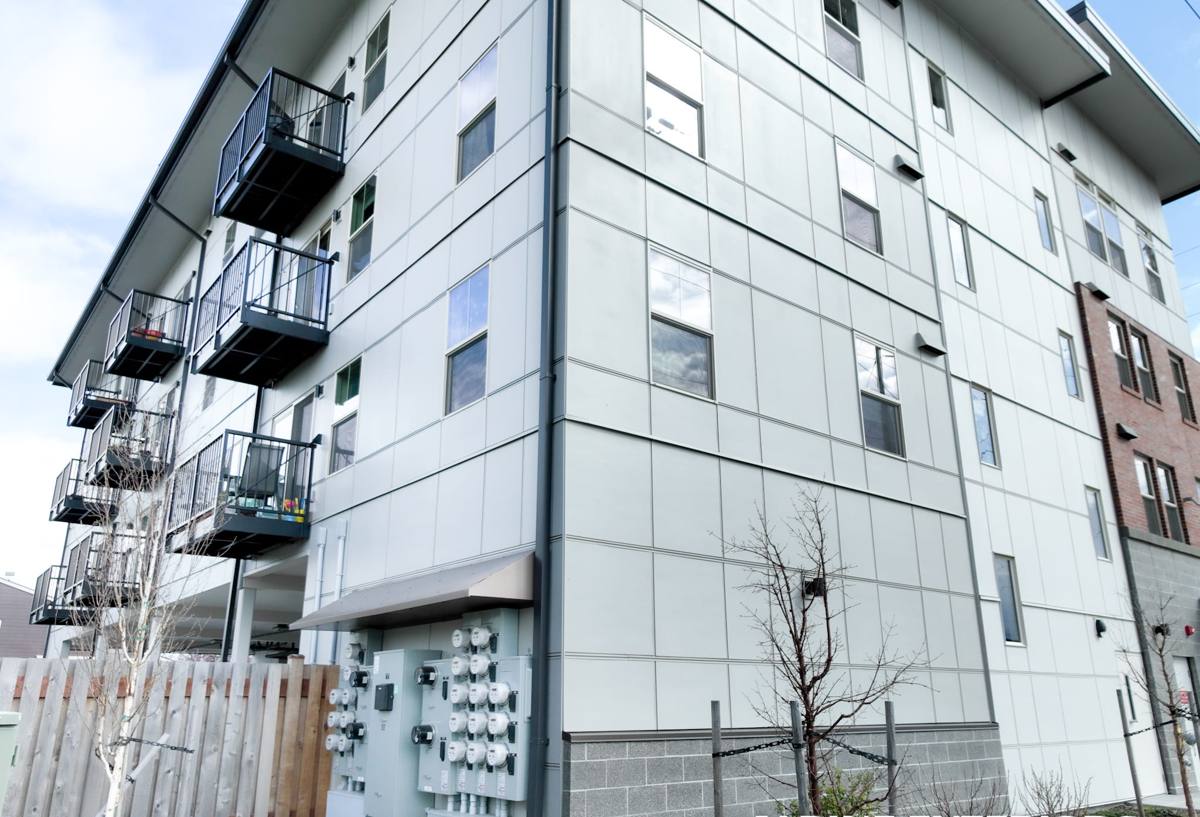
What Salt Air, Driving Rain, and Moss Actually Do to a House
Salt Air and Corrosion
Airborne salt doesn't just sit on the surface — it works into fasteners, flashing, and any exposed metal, accelerating rust and corrosion over time. On a lot of siding systems, that shows up first as rust streaks bleeding out from nail heads or trim fasteners, which is both a cosmetic problem and an early sign that water is finding its way in around a compromised fastener.
Wind-Driven Rain and Water Intrusion
Rain that comes in sideways off open water behaves differently than a straight-down downpour. It gets pushed up under laps, into seams, and around penetrations that would stay dry in a calmer setting. Siding systems and installation details that assume gentle, vertical rainfall tend to underperform on exposed island elevations — this is a wind-exposure problem as much as a rainfall-total problem.
Moss, Algae, and Prolonged Moisture Contact
Shaded, tree-covered lots — common on Lummi Island — hold moisture longer after a storm than open, sun-exposed sites. That extended damp period is exactly what moss and algae need to take hold on siding surfaces, and on materials that absorb or hold moisture at the surface, that growth can accelerate deterioration underneath it, not just discolor the finish.
Why We Install Only James Hardie Fiber Cement Here
We standardized on James Hardie fiber cement siding for every job we take, including the ones out on Lummi Island, and the climate here is a big part of why. Fiber cement is non-combustible, dimensionally stable, and doesn't rot the way wood-based products can when they stay damp for extended periods. That matters directly on a site where surfaces can stay wet longer than average.
We get asked why we don't offer alternatives like vinyl, LP SmartSide, or cedar, and the honest answer is trade-offs we're not willing to install and then be responsible for. Vinyl can warp and become brittle with age and UV exposure, and its seams and fastening system aren't built with the same rigor as a fiber cement lap system. LP SmartSide is a wood-strand product — it performs well when detailing is followed precisely, but it's still an engineered wood product, and wood-based sidings are more sensitive to sustained moisture exposure than fiber cement. Cedar is a beautiful, traditional material, but it requires an ongoing maintenance commitment — refinishing, sealing, moisture monitoring — that most homeowners underestimate until the upkeep becomes a recurring cost. None of these are "bad" products in every setting. They're just not the standard we're willing to put our name behind on a site with this much sustained moisture and salt exposure, which is why James Hardie is the only product line we install.
Choosing the Right James Hardie System for an Island Home
James Hardie doesn't make one generic siding product — it engineers different formulations for different climate zones (HZ5 for colder, wetter regions like ours), and it offers several profiles that behave differently under wind and rain exposure.
| Product Option | Best Fit For | Consideration on Lummi Island |
|---|---|---|
| HardiePlank lap siding | Most home styles, water-facing and street-facing elevations | Wider exposure reveal options handle wind-driven rain well when lapped and flashed correctly |
| HardieShingle siding | Craftsman or cottage-style homes wanting a shingle look | More seams than lap siding, so flashing detail at each course matters more in high-wind exposure |
| HardiePanel vertical siding | Modern styles, accent walls, gable ends | Vertical seams need battens or trim detailed to shed wind-driven rain, not just gravity-fed water |
We also specify ColorPlus factory-applied finish rather than field-painted siding wherever it fits the project. A factory finish is baked on under controlled conditions and backed by its own finish warranty — on a site where the finish is fighting salt air and UV reflected off open water, that extra durability margin is worth having.
What a Correct Installation Actually Involves
Fiber cement siding is only as good as the installation behind it. On Lummi Island specifically, a few details matter more than they would on a sheltered inland lot:
- Fastener selection: corrosion-resistant fasteners rated for coastal exposure, not standard galvanized nails that can start rusting within a few seasons of salt air contact
- Flashing at every penetration: windows, doors, vents, and hose bibs all need properly lapped flashing so wind-driven rain can't work its way in around the opening
- Weather-resistive barrier: a correctly lapped and taped house wrap behind the siding, giving the wall a second line of defense if any water does get past the cladding
- Proper clearances: siding held above grade, decks, roofs, and other hard surfaces per manufacturer spec, so it isn't sitting in standing moisture or splash-back
- Caulking discipline: sealant only where James Hardie's install guide calls for it — over-caulking traps moisture just as much as under-caulking lets it in
These aren't exotic techniques — they're in James Hardie's published installation instructions. But on a job with this much sustained moisture and salt exposure, skipping or rushing any one of them shows up faster here than it would on a drier, more sheltered site.
How We Handle a Lummi Island Project
Site Assessment
We start by walking the property and looking specifically at wind exposure by elevation, tree canopy and shade patterns, existing moisture or moss issues, and the condition of the wall assembly underneath the current siding.
Logistics and Scheduling
Working on an island reached only by ferry means materials, equipment, and crew time all have to be planned around the ferry schedule, not just the weather. We build that into the project timeline up front rather than treating it as a surprise mid-project, and we stage materials so a full crew day isn't lost waiting on a delivery.
Installation and Sequencing
We install in a sequence that keeps the wall assembly protected at every stage — house wrap and flashing go on before any siding, and we don't leave a wall open to weather overnight if it can be avoided, which matters more here given how quickly wind-driven rain can move in off the water.
Final Walkthrough
Before we call a job done, we walk the exterior with the homeowner, check every seam, corner, and penetration, and go over basic care so the siding performs the way it's designed to for the long haul.
Cost Factors for Fiber Cement Siding on Lummi Island
We don't quote pricing without seeing the actual house, but the factors that move a project's scope and cost on this specific site are fairly consistent:
| Factor | Why It Matters Here |
|---|---|
| Wind exposure by elevation | Water-facing walls often need more careful flashing detail and sometimes different profiles than sheltered walls |
| Existing wall condition | Sustained moisture exposure can mean more sheathing repair is needed once old siding comes off |
| Access and logistics | Ferry scheduling and site access affect crew and material staging time |
| Tree canopy and shading | Heavily shaded elevations may warrant extra attention to drying time and moss-resistant detailing |
| Trim and finish scope | ColorPlus factory finish and matching trim packages add cost but reduce long-term maintenance |
What Lummi Island Homeowners Should Do Between Services
James Hardie siding is low-maintenance compared to wood or vinyl, but "low-maintenance" isn't "no-maintenance," especially in a salt-air, high-moss environment. A short seasonal routine goes a long way:
- Rinse siding gently once or twice a year to clear salt residue and organic buildup, especially on shaded or water-facing walls
- Keep gutters clear so overflow isn't running down the siding face and holding moisture against it
- Trim back vegetation and tree limbs that keep a wall shaded and slow to dry after rain
- Check caulking at trim and penetrations annually and have gaps addressed before they become entry points
- Watch for early moss or algae growth in shaded corners and address it before it spreads across a wall
Why a Crew That Already Works Lummi Island Matters
Siding contractors who mostly work sheltered inland neighborhoods can do fine work, but they're not always thinking about ferry-dependent scheduling, water-facing wind exposure, or the extended damp season that shaded island lots deal with. A crew that already works Lummi Island has that built into how it plans materials, sequences the install, and details flashing and fasteners — it's not a special add-on, it's just how the job gets done correctly out here. That familiarity tends to mean fewer surprises mid-project and a finished install that's actually built for the site it's on, not just for the general Whatcom County climate on paper.
If you're weighing a siding project on Lummi Island, we're happy to come take a look, walk the property with you, and put together a straightforward, no-pressure estimate — just fill out the form below.