 Ferndale
 Why Kendall Roofs Wear Out Differently
Kendall sits inland from Ferndale along the foothills route toward Mt. Baker, and that setting shapes how roofs age here. Heavy tree cover means more shade, more falling debris, and roof surfaces that stay damp longer after a storm than a roof out in the open. Combine that with Whatcom County's long wet season and the marine-influenced weather that rolls in off the Sound, and you get a climate that's tough on roofing in a specific way: not sudden failure, but slow, steady moisture damage that shows up as moss, soft decking, and shortened shingle life.
Driving rain is the other half of the equation. When wind pushes rain sideways during a winter system, water gets forced up under shingle tabs and around flashing details that would stay dry in a calmer climate. A roof that's merely "adequate" in a drier region can underperform here. That's the standard we build to on every Kendall roof replacement — not the minimum code requirement, but what actually holds up through a full Whatcom County wet season, year after year.
Moss Season Isn't Cosmetic
Moss on a roof in this area isn't just an appearance issue. Once moss establishes itself, its root structure lifts shingle edges, holds water against the roof surface, and accelerates granule loss. Left long enough, moss growth can shorten a shingle roof's useful life by years. A big part of doing this job right in Kendall is addressing the conditions that let moss take hold in the first place — not just replacing what's on top.
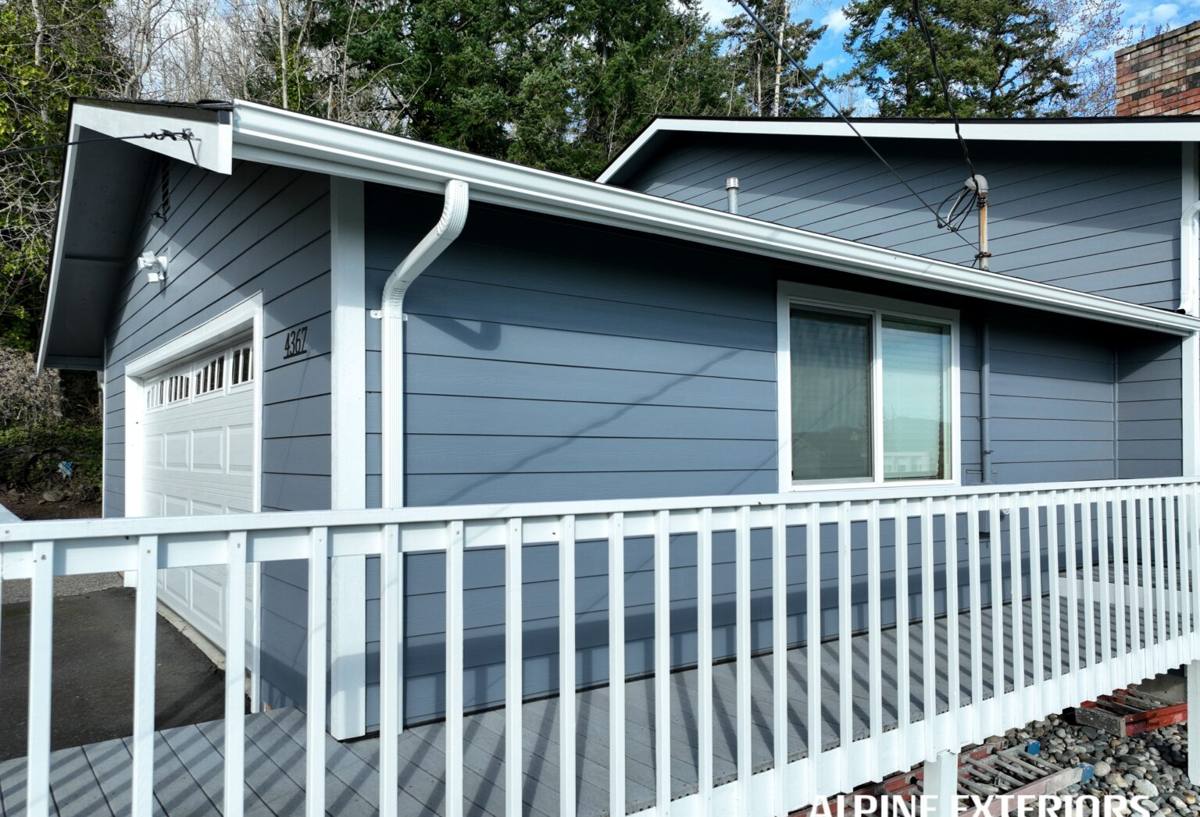
Repair or Replace? Reading the Signs
Not every roof problem in Kendall means a full replacement, but there's a point where patching stops making financial sense. Here's what we look for when we're evaluating a roof on-site.
- Granule loss heavy enough that shingles look bald or the gutters are full of grit
- Shingles that are cupping, curling, or cracking across multiple sections of the roof, not just one spot
- Soft or spongy decking felt underfoot during inspection — a sign moisture has reached the wood
- Repeated leaks in different locations rather than one isolated failure point
- Moss or algae staining that comes back within a season or two of cleaning
- A roof approaching or past the manufacturer's expected service life for its material and exposure
- Visible daylight through the attic decking, or insulation that's damp or matted
If a roof shows one or two of these signs in isolation, a repair is often the honest answer, and we'll say so. When several show up together, that's usually the underlying material and decking telling you the roof has reached the end of what repair can fix.
What a Correct Roof Replacement Actually Includes
A roof replacement is more than swapping old shingles for new ones. The parts you don't see are what determine whether the new roof performs for its full expected life in this climate. Every full replacement we do in Kendall includes the same core steps, regardless of the material chosen.
- Complete tear-off to bare decking — no roofing over an existing layer
- Deck inspection and replacement of any wood that's soft, delaminated, or water-damaged
- Ice-and-water shield or self-adhered membrane at eaves, valleys, and other water-concentration points
- Synthetic underlayment across the full roof deck as a secondary moisture barrier
- New flashing at all penetrations, chimneys, walls, and valleys — old flashing is not reused
- Balanced intake and exhaust ventilation sized to the attic space
- Manufacturer-specified fastening pattern and exposure, not a shortcut pattern
- Final walk-through and cleanup, including magnetic sweep for stray nails
Skipping any one of these steps is how a roof that looks fine in year one develops problems by year five. Decking that isn't fully inspected can rot silently under new shingles. Flashing that's reused instead of replaced is one of the most common sources of callback leaks in this region.
Choosing the Right Material for a Kendall Home
Most homes in and around Kendall are well served by architectural asphalt composition shingles, but metal roofing and other options have real advantages depending on the home, the roof's pitch and exposure, and how long you plan to own it. Here's an honest comparison of the main options we install.
| Material | Typical Lifespan | Moss/Moisture Behavior | Relative Cost |
|---|---|---|---|
| Architectural asphalt shingle | 25–30 years | Good with proper ventilation; needs periodic moss treatment in shaded areas | $ |
| Standing seam metal | 40–50+ years | Sheds water and moss growth very well due to smooth surface | $$$ |
| Synthetic/composite shingle | 30–50 years | Resists moisture absorption better than wood; moss resistance varies by product | $$ |
| Cedar shake (natural wood) | 20–30 years with upkeep | High maintenance burden in this climate; needs regular treatment against moss and rot | $$–$$$ |
We're upfront that cedar shake requires the most ongoing maintenance to perform well in a wet, tree-shaded climate like Kendall's — it's a legitimate look homeowners like, but it demands a real maintenance commitment. Metal costs more up front but asks the least of the homeowner over the roof's life. For most Kendall homes, a quality architectural shingle rated for high wind and algae resistance hits the best balance of upfront cost and long-term performance.
Underlayment and Ventilation Matter More Than Shingle Brand
Homeowners often focus on shingle brand and color, but in this climate the underlayment system and attic ventilation do more to determine how long a roof lasts. A shingle rated for 30 years in a lab test won't get there on a roof with poor airflow trapping heat and moisture in the attic, or with underlayment that's a step below what the exposure calls for. We spec ventilation and underlayment based on the specific roof, not a one-size-fits-all package.
Moss and Algae Control Built Into the Job
Because moss season runs long in Whatcom County, we design moss resistance into the roof rather than treating it as an afterthought. That means selecting shingles with algae-resistant granules where appropriate, making sure valleys and low-slope sections shed water quickly instead of holding it, and correcting ventilation issues that keep the roof deck cooler and damper than it should be. We'll also walk you through simple homeowner maintenance — gentle debris clearing and periodic gutter cleaning — that meaningfully extends the life of the new roof without requiring aggressive chemical treatments or pressure washing that can damage shingles.
Our Process, Start to Finish
1. On-Site Inspection and Honest Assessment
We walk the roof and the attic, not just look from the ground. You get a straight answer on whether you need a replacement, a repair, or can reasonably wait, along with photos of anything we find.
2. Written Estimate
You get a clear, itemized estimate covering material, tear-off, decking allowance, and labor — no vague lump-sum numbers you can't evaluate.
3. Scheduling Around Weather
Given how much rain this area gets, we plan tear-off and dry-in around the forecast so your home isn't left exposed. We don't strip more roof than we can dry-in the same day.
4. The Install
Tear-off, deck repair, underlayment, flashing, and shingle installation, done to manufacturer spec so your warranty stays valid.
5. Cleanup and Walk-Through
Full site cleanup, magnetic nail sweep, and a final walk-through where we show you the completed work before we consider the job done.
Permits and Local Requirements
Roof replacements in unincorporated Whatcom County, including Kendall, typically require a building permit, and the work needs to meet current wind and weather-exposure standards for the area. We handle the permit process as part of the job so you're not left navigating county requirements on your own. This also matters at resale — a roof replaced without proper permitting can become a problem during a home inspection or sale.
Why a Local Crew Matters for This Job
A roofing crew that already works in Kendall and around Ferndale knows this area's rain patterns, how shaded lots behave differently than open ones, and which details actually cause leaks in this climate versus which ones are just theoretical concerns from a manufacturer's install guide written for a different region. That local experience shows up in small decisions — how flashing is detailed around a chimney on a shaded roof, how much ventilation a particular attic actually needs, when to schedule tear-off around a wet forecast — that a crew unfamiliar with Whatcom County conditions might get technically correct but practically wrong.
It also means someone is nearby if a warranty question or a weather-related issue comes up after the job is done, rather than a crew that did one job in the area and moved on.
Get a Free, No-Pressure Estimate
If your Kendall home has a roof that's showing its age, dealing with persistent moss, or you just want an honest read on where it stands, we're glad to take a look. Use the form below to request a free estimate — no pressure, no obligation, just a straight assessment from a crew that works this area.