 Ferndale
 Fiber Cement Siding for Kendall Homes
Kendall sits in the foothill country east of Ferndale, where the weather off the Pacific and the Salish Sea works its way inland through the Nooksack valley — driving rain, heavy humidity, and a moss season that can stretch eight months or more in shaded, tree-lined lots. Whatcom County homes out this way take a different kind of beating than a house downtown: more tree cover, more standing moisture on north-facing walls, more freeze-thaw swings when cold air settles into the valley overnight. Siding that isn't built for that combination fails quietly, from the inside out, long before it looks bad from the curb.
We install James Hardie fiber cement siding exclusively, and we work Kendall regularly enough to know which walls on which lots need extra attention before the first board ever goes up. This page covers what a correct fiber cement installation looks like in this specific area — not siding in general, but what your house, on your lot, actually needs.
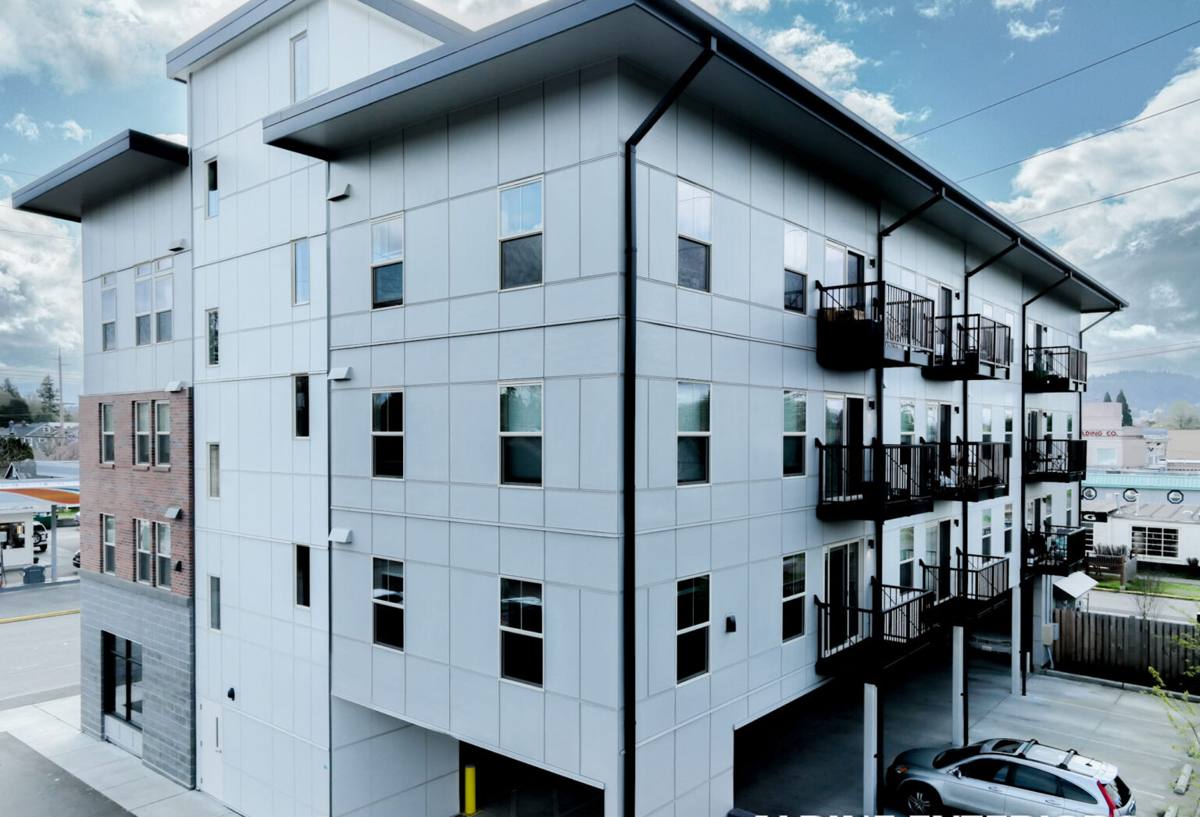
Why Kendall's Climate Is Harder on Siding Than It Looks
On paper, Kendall doesn't sound extreme. There's no hurricane risk, no desert heat. But three conditions compound in a way that punishes cheap or poorly installed siding:
Driving Rain and Wind-Driven Moisture
Storms moving through Whatcom County don't just fall straight down — wind pushes rain sideways into wall assemblies, especially on west- and south-facing elevations that catch the prevailing weather. Any gap in flashing, caulking, or panel overlap becomes an entry point. Over years, that moisture doesn't just stain the surface; it works into sheathing and framing behind the siding.
Moss, Shade, and Slow-Drying Walls
Kendall's tree cover and rural lot sizes mean a lot of homes have walls that rarely see direct sun. Moss and algae take hold on any surface that stays damp, and once established, they hold moisture against the siding surface longer than an open, sunny wall would. That's a slow but steady degradation process on organic or moisture-sensitive siding materials.
Freeze-Thaw and Humidity Cycling
Whatcom County isn't brutally cold, but the valley floor around Kendall does see more overnight cold pooling than closer to the water. Materials that absorb moisture and then freeze are prone to cracking, swelling, and delamination over repeated cycles — a problem that shows up over years, not months.
Why We Install James Hardie and Nothing Else Here
We used to get asked why we don't offer LP SmartSide, vinyl, or cheaper fiber cement alternatives like Cemplank or Allura. The honest answer is that we standardized on James Hardie because it's the product that holds up best against exactly the conditions Kendall throws at it, and we'd rather turn down a lower-cost bid than install something we don't trust on a wall we're putting our name behind.
- Non-combustible core — fiber cement doesn't feed a fire the way wood-based or vinyl products can, which matters more every year as wildfire smoke seasons stretch into the Pacific Northwest.
- Engineered for moisture, not just painted over it — Hardie's fiber cement formulation is dimensionally stable and doesn't swell, rot, or delaminate the way wood-based composite sidings can when they take on water repeatedly.
- ColorPlus factory finish — baked-on, not field-applied, which matters on shaded Kendall walls where a field-applied paint job would show mildew and fading years sooner.
- HZ5 product engineering — Hardie's cold- and moisture-climate formulation, appropriate for our winters and rain load, versus their HZ10 line built for a different climate zone entirely.
- A warranty that's actually transferable — meaningful if you ever sell the home, and backed by a company with decades of track record in exactly this climate.
We're not going to tell you competing products are junk — some of them are reasonable materials for the right application. What we will say is that after years of tear-offs and repairs on homes with wood composite and lower-grade siding, we don't want to install anything on a Kendall home that we'll be back to fix in eight years because the material couldn't handle the moisture load.
What a Correct Installation Actually Involves
Fiber cement siding is only as good as the assembly behind it. A rushed crew can put Hardie board on a wall and still leave you with a moisture problem in five years. Here's what we don't skip:
Weather-Resistive Barrier and Rainscreen Gap
Every wall gets a proper weather-resistive barrier, and on shaded or moisture-prone elevations — common throughout Kendall's wooded lots — we use a rainscreen gap so any moisture that gets behind the panel has somewhere to drain and dry instead of sitting against the wall.
Flashing at Every Penetration
Windows, doors, vents, hose bibs, light fixtures — every penetration is flashed correctly before siding goes over it. This is the single most common failure point we find when we tear off older siding in this area: missing or improperly lapped flashing that let water in behind a wall that otherwise looked fine.
Fastening and Clearances to Hardie Spec
Correct nail placement, proper fastener type, and the right gap at grade, roofline, and butt joints — all specified by James Hardie and all things that determine whether the product performs the way it's engineered to. Under-driven or over-driven fasteners, or siding installed too close to grade or a roof deck, void the warranty and shorten the real service life regardless of how good the material is.
Caulking and Joint Treatment Built for Wet Cycling
Butt joints and trim transitions get sealed with products rated for the movement and moisture cycling our climate puts them through — not a bargain caulk that chalks and cracks within a couple of wet seasons.
Fiber Cement vs. the Alternatives, for a Kendall Wall
| Factor | James Hardie Fiber Cement | Vinyl | Wood-Based Composite (e.g. LP SmartSide) |
|---|---|---|---|
| Moisture/rot resistance | Engineered non-organic core, doesn't rot | Won't rot, but can warp and gap | Treated wood fiber — vulnerable if edges/cuts aren't sealed |
| Fire resistance | Non-combustible | Can melt/deform under heat | Combustible, wood-based |
| Finish durability in shade/moss areas | Factory ColorPlus finish resists mildew staining | Color can fade; mildew shows on surface | Field-applied finish needs more frequent maintenance |
| Freeze-thaw performance | Dimensionally stable | Can become brittle in cold | Swelling at cut edges over repeated cycles |
| Typical service life when correctly installed | 30+ years | 20-30 years, but seams and fasteners age visibly | Shorter if moisture management isn't perfect |
Our Process for a Kendall Job
- On-site assessment — we walk every elevation, checking shade exposure, existing moisture damage, and where flashing failures are likely hiding.
- Tear-off and sheathing inspection — old siding comes off and we inspect sheathing underneath before anything new goes up. If there's rot or water damage, we address it before it gets covered again.
- Weather barrier and rainscreen install — sized to the wall's exposure, heavier attention on north- and west-facing sections.
- Flashing at all penetrations — done to Hardie's published details, not shortcuts.
- Hardie panel and trim installation — fastened and gapped to manufacturer spec, factory-finished ColorPlus product so field painting isn't required.
- Final walkthrough — we go over the finished job with you, including what maintenance (if any) to expect given your specific lot's shade and exposure.
What to Check Before You Hire Anyone for This Kind of Job
- Do they carry proper licensing and insurance for exterior work in Washington?
- Will they show you their flashing and weather-barrier details before covering them up?
- Do they install to the manufacturer's actual fastening and clearance specs, or "however it's always been done"?
- Can they explain why they use the specific siding product they use — or do they sell whatever's cheapest that week?
- Do they have experience with shaded, moss-prone lots specific to this part of Whatcom County?
Why Hire a Crew That Already Works Kendall
Siding work out here isn't identical to a job on a sunny, open lot closer to town. Crews that mostly work walls with heavy tree cover know to plan for slower drying times during installation, know which elevations need extra flashing attention, and know how moss and shade patterns on a given lot are likely to behave over the next decade. That's not something you learn from a spec sheet — it's something you learn from doing the work in this exact area, on lots with this exact combination of rain, shade, and cold-air drainage.
We keep our product line simple — James Hardie fiber cement, installed correctly, every time — because it removes the guesswork and the corner-cutting that lower-grade materials tend to invite. On a Kendall home, that consistency matters more than it might somewhere drier and sunnier.
Get a Straight Answer About Your Home
If you're dealing with aging siding, moisture staining, or moss buildup on a Kendall property, we're happy to take a look and give you an honest read on what's going on and what it would take to fix it right. Reach out for a free, no-pressure estimate — we'll walk the exterior with you and explain exactly what we see, no obligation either way.