 Ferndale
 Siding Installation for Everson-Area Homes
Everson sits in the Nooksack River valley in Whatcom County, a short drive from Ferndale and the rest of the county's farmland and river-bottom communities. Homes out here deal with a different mix of weather stress than a house tucked into a city lot: low-lying humidity off the river corridor, long stretches of driving rain rolling in off the Salish Sea, and a moss season that can run most of the year in the shaded, damp spots around a property. Siding installed in this part of Whatcom County has to be chosen and installed with that specific combination in mind, not just "Pacific Northwest weather" in general.
This page covers what a correct siding installation looks like for an Everson-area home, why the material matters as much as the labor, and how our process is built around the conditions we actually see on jobs in this part of the county.
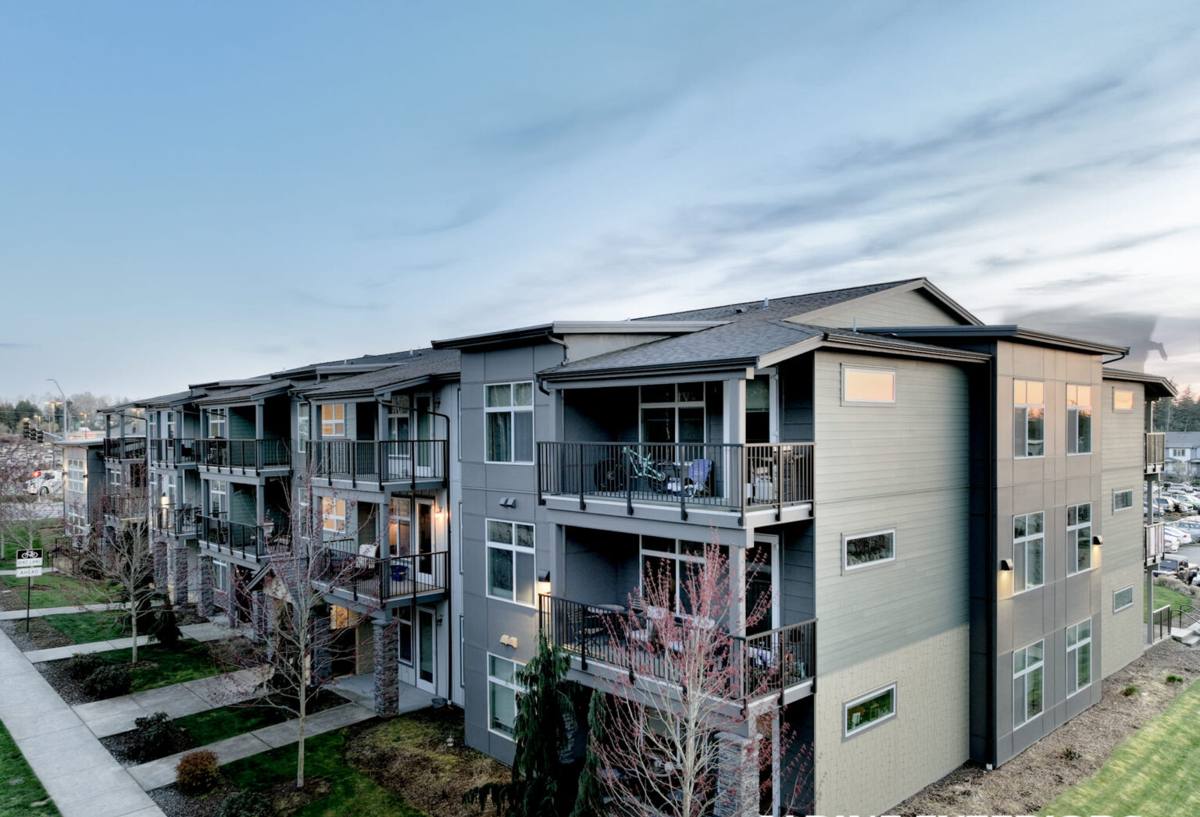
What Everson's Climate Actually Does to Siding
Whatcom County's weather is shaped by its position between the Salish Sea and the Cascade foothills. Even communities like Everson that sit inland from the water still get the same marine-driven weather pattern: long wet winters, wind-driven rain that hits siding at an angle instead of falling straight down, and humid air that lingers in low valley areas and doesn't dry out quickly. Add in salt-laden air moving inland with the prevailing westerlies, and you get a slow, steady corrosive and moisture load on anything mounted to the outside of a house.
Driving Rain and Wall Assemblies
Rain that comes in sideways doesn't just wet the surface of the siding — it tests every seam, joint, and fastener penetration in the wall assembly. A siding product and installation method that only handles vertical rainfall will eventually let water behind the cladding in a wind-driven storm. That's a house-envelope problem, not just a cosmetic one, because once water gets behind siding it can sit against sheathing and framing for weeks in a valley climate like this.
Moss, Mildew, and Shaded Exposures
River-valley properties tend to have more tree cover and more shaded north- and east-facing walls than open coastal lots, which means slower drying after every rain event. That's exactly the environment moss, algae, and mildew need to establish themselves. Over years, organic growth on siding holds moisture against the surface even longer, which accelerates rot in wood-based products and paint failure on anything with a field-applied finish.
What a Correct Installation Involves
The siding material gets most of the attention, but a large share of siding failures we see on older homes trace back to installation details, not the product itself. A correct job for this climate includes:
- A properly lapped and sealed water-resistive barrier (WRB) behind the siding, installed before a single course goes up
- Rainscreen or drainage gap furring where conditions call for it, so any water that does get behind the cladding can drain and the wall can dry
- Flashing at every horizontal transition — window and door heads, roof-to-wall intersections, deck ledgers, and trim boards
- Correct fastener type, spacing, and placement per the manufacturer's engineering specs, not just "what's always been done"
- Proper clearance between the bottom of the siding and grade, decks, and roof lines, so splash-back and standing moisture don't sit against the cut edge
- Factory-sealed or properly field-sealed cut ends, especially at inside and outside corners
Skip any one of these and the siding can look fine for a few years while the underlying wall assembly quietly takes on damage. This is why we treat installation detailing as equal in importance to the product choice itself.
Why We Install Only James Hardie Fiber Cement
We don't install vinyl, LP SmartSide, Cemplank, Allura, primed spruce, or cedar. That's a deliberate standard, not a lack of options. Each of those products has legitimate strengths, but each also comes with a real-world trade-off that shows up in a climate like Whatcom County's:
- Vinyl is inexpensive and low-maintenance, but it expands and contracts with temperature swings, can warp or crack in wind, and isn't a fire-rated cladding.
- LP SmartSide is an engineered wood product — it performs well when perfectly maintained, but any breach in its coating exposes wood substrate to exactly the kind of standing moisture this valley produces.
- Primed spruce and cedar are traditional and attractive, but they're organic materials in a climate built to rot organic materials — they need a disciplined repaint and caulk schedule to hold up long term.
- Cemplank and Allura are also fiber cement, but the factory finish, engineered product lines, and warranty backing behind James Hardie in this region are what we've built our process and our reputation around.
James Hardie fiber cement is non-combustible, dimensionally stable across our temperature swings, and available with a factory-applied ColorPlus finish that's baked on under controlled conditions rather than painted on-site in variable weather. For a river-valley climate with long wet seasons and real moss pressure, that combination of moisture resistance and finish durability is what we're willing to put our name behind.
HZ5 Engineering for This Climate
James Hardie engineers its siding by climate zone, and Western Washington falls into the HZ5 category — the line built specifically for regions with sustained moisture exposure. That's not a marketing distinction; it affects the product's moisture-management design at the manufacturing level, which matters more here than in a drier part of the country.
Comparing Siding Options for a Whatcom County Wall
| Factor | Vinyl | Wood / Cedar | Engineered Wood (LP) | James Hardie Fiber Cement |
|---|---|---|---|---|
| Moisture tolerance | Doesn't absorb, but seams can trap water | Absorbs; needs coating maintained | Coating-dependent; vulnerable if breached | Engineered for wet climates (HZ5) |
| Fire resistance | Not fire-rated | Combustible | Combustible | Non-combustible |
| Finish durability | Color molded in, can fade/chalk | Field-painted; regular repaint cycle | Factory-coated; needs upkeep at cuts/edges | Factory ColorPlus finish |
| Moss/algae resistance | Grows on surface if not cleaned | Prone to growth in shaded areas | Prone if finish degrades | Resistant surface, still needs periodic cleaning |
| Typical warranty structure | Varies by product | No manufacturer warranty on material itself | Manufacturer warranty, install-sensitive | Strong transferable manufacturer warranty |
Our Installation Process
Every Everson-area project follows the same sequence, adjusted for the specific house:
- On-site assessment. We look at existing siding condition, wall orientation and shading, roofline transitions, and any moisture or rot already present before we quote anything.
- Tear-off and sheathing inspection. Old siding comes off and we check the sheathing underneath for soft spots or existing water damage — this is often where hidden problems surface.
- Water-resistive barrier and flashing. WRB goes on correctly lapped, with flashing integrated at every penetration and transition before any siding is installed.
- Drainage detailing. Where the wall assembly calls for it, we build in a drainage gap so the wall can shed and dry moisture rather than trap it.
- Siding installation. James Hardie panels or lap siding go up to manufacturer fastening specs, with attention to correct clearances at grade, decks, and roof intersections.
- Trim, caulking, and finish details. Corners, trim boards, and penetrations get sealed correctly, and cut edges are treated per Hardie's installation requirements.
- Final walkthrough. We go over the finished work with the homeowner before calling the job done.
Signs an Everson-Area Home Needs New Siding
Not every siding problem is obvious from the driveway. Some of the more common warning signs we see on river-valley homes:
- Soft or spongy spots when you press on the siding, especially near the bottom courses
- Persistent moss or dark streaking that comes back within weeks of cleaning
- Paint that's bubbling, peeling, or failing faster than a normal repaint cycle would suggest
- Visible gaps, warping, or buckling panels, particularly after a windy winter
- Interior signs like peeling paint, musty smells, or damp drywall on exterior-facing walls
- Siding that's original to a home more than 20-25 years old, especially wood or older vinyl
Any one of these on its own isn't necessarily an emergency, but a couple showing up together usually means it's worth having someone look at the wall assembly, not just the surface.
Living With Fiber Cement Siding After Installation
James Hardie siding is built to be low-maintenance, not maintenance-free. In a moss-prone valley climate, a periodic soft wash — never high-pressure blasting directly at seams and edges — keeps organic growth from establishing on the surface. Keeping gutters clear and vegetation trimmed back from walls also goes a long way, since standing water and constant shade are what let moss and mildew take hold in the first place. Because the ColorPlus finish is factory-applied, homeowners generally aren't dealing with a repaint cycle the way they would with field-painted wood siding, which is a real time and cost difference over the life of the siding.
Why Local Installation Experience Matters
A crew that regularly works Whatcom County's river-valley communities already knows what to check for before the tear-off even starts: where moisture tends to collect on a shaded north wall, how far up a fence line moss usually creeps, and which flashing details matter most given the wind-driven rain patterns here. That's not something you get from a general installation manual — it's built from doing this specific work, in this specific climate, on homes with the same weather exposure as yours.
If you're weighing a siding replacement for a home in the Everson or Ferndale area, we're happy to take a look and walk you through what your specific walls need. Reach out for a free, no-pressure estimate using the form below.